



From the expansive fields of Mường Thanh to the remote highland border posts, this historic land is channeling its revolutionary legacy into a firm determination to build a sustainable and prosperous frontier for the nation.
With a border stretching over 455km adjacent to both Laos and China, Điện Biên occupies a strategically vital position for national defense and security. To safeguard this sovereignty while fostering growth, the province is pursuing its political missions with renewed vigor.
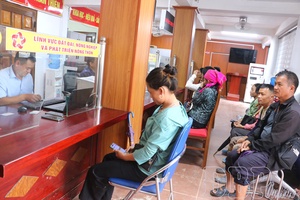
The 15th provincial Party Congress (2025-2030) has set a clear vision to transform Điện Biên into a green, smart, and sustainable province that stands out in the region. This transition is being driven by a profound shift in governance, emphasizing specific responsibilities and a streamlined two-level local government model. By enhancing the capacity of grassroots cadres and integrating digital transformation into administrative operations, the province is successfully building a foundation of transparency and public consensus.
A core component of this transformation is the effort to enhance competitiveness by refining mechanisms and policies to suit local realities. The province has established a “green lane” for investment to attract key projects, drastically cutting administrative red tape to facilitate businesses and innovators.
.jpg)
Điện Biên is particularly focused on supporting the private sector and fostering innovative startups while simultaneously leveraging its unique historical landmarks and the diverse cultural identities of its ethnic groups to drive tourism. These policies are viewed as essential keys to unlocking the province’s strengths and attracting the resources necessary for a modern economy.
Recognizing that infrastructure must lead the way for socio-economic progress, particularly in scattered highland communities, the province has prioritized transportation development. During the 2021-2025 period, nearly 21% of the local budget and 43% of central public investment funds were dedicated to this sector. As a result, over 9,200km of roads have been expanded and upgraded, connecting once-isolated areas and facilitating growth for ethnic minority communities.
Landmark projects like the Sơn La - Điện Biên - Tây Trang Border Gate expressway and the route to the A Pa Chải border crossing are opening new development corridors with Yunnan, China. These transport links are expected to dissolve the traditional bottlenecks of a mountainous region, creating a seamless space for regional economic integration.
The development of tourism into a spearhead economic sector is another strategic priority, focusing on a triad of historical, cultural, and community-based products. Historical tourism remains anchored in the Điện Biên Phủ battlefield complex, which stretches from the Command Headquarters in Mường Phăng to Hill A1 and General de Castries’ bunker.
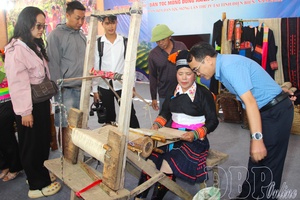
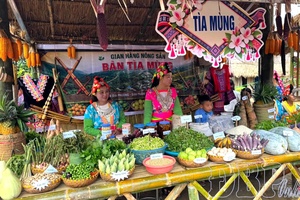
Complementing this is a rich tapestry of cultural tourism derived from the province’s 19 ethnic groups. Localities are increasingly developing community-based tourism models that allow visitors to immerse themselves in the authentic cuisine and heritage of the Thái, Mông, and Hà Nhì peoples. This diversification of high-quality tourism products is creating a unique brand that consistently draws visitors back to the province.
Ultimately, upholding the spirit of Điện Biên Phủ in peacetime serves as a powerful engine for a new era of breakthroughs. This spirit is being realized through concrete actions: refining infrastructure, attracting strategic investment, and revitalizing the face of this historic land. From the battlegrounds of the past, today’s Điện Biên is actively opening its doors to the world, promoting a sustainable economic shift and firmly securing the nation’s frontier.
Hà Anh

.jpg)
.jpg)
.jpg)
.jpg)
.jpg)
.jpg)
.jpg)
.jpg)
.jpg)
.jpg)
You have 500/500 characters left
Please enter 5 or more characters!!!