



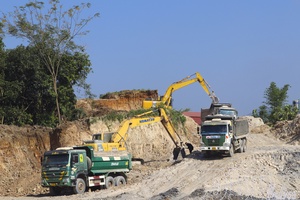
Executing the Strategy for agricultural mechanization development, the province is accelerating the application of advanced machinery and technology, contributing to alleviating manual labor, saving costs, elevating produce productivity and quality, and driving the development of commercial agriculture along modern lines.
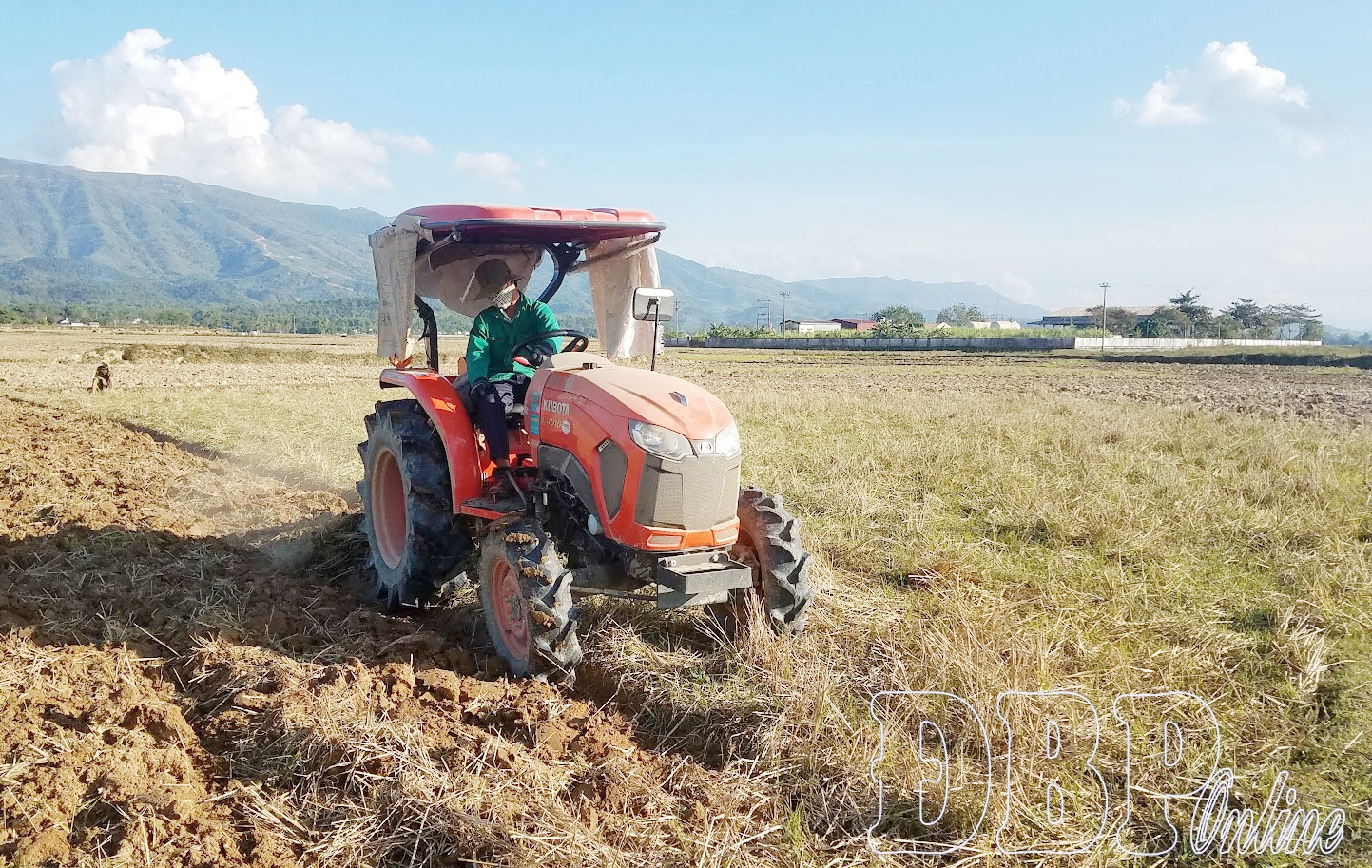
Practical production realities demonstrate that mechanization has been applied across multiple stages, contributing to shifting farming practices and enhancing residents’ production efficiency. Among these, cultivation is a domain with a relatively distinct level of mechanization, particularly in soil preparation and rice harvesting.
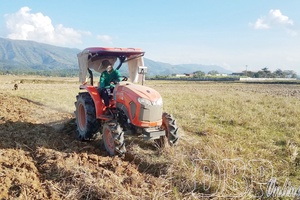
Previously, the nearly 3,000m² of paddy land belonging to Nguyễn Văn Huy’s family in Hồng Líu village, Mường Thanh ward, relied entirely on manual labor; soil preparation and harvesting, in particular, consumed substantial time and effort. In recent years, utilizing machinery in rice production has helped the family significantly reduce strenuous work and save on hired labor costs. According to Huy, mechanization brings numerous advantages for farmers, particularly when agricultural labor falls short during peak harvest seasons.
According to a report by the Department of Agriculture and Environment, production mechanization is being stepped up, particularly across concentrated production zones such as Thanh An, Thanh Nưa, and Sam Mứn communes. For soil preparation in rice cultivation, the mechanization rate reaches approximately 80% to 85%; harvesting mechanization reaches 54.1%, cutting manual labor and curbing post-harvest losses by 5% to 7%.
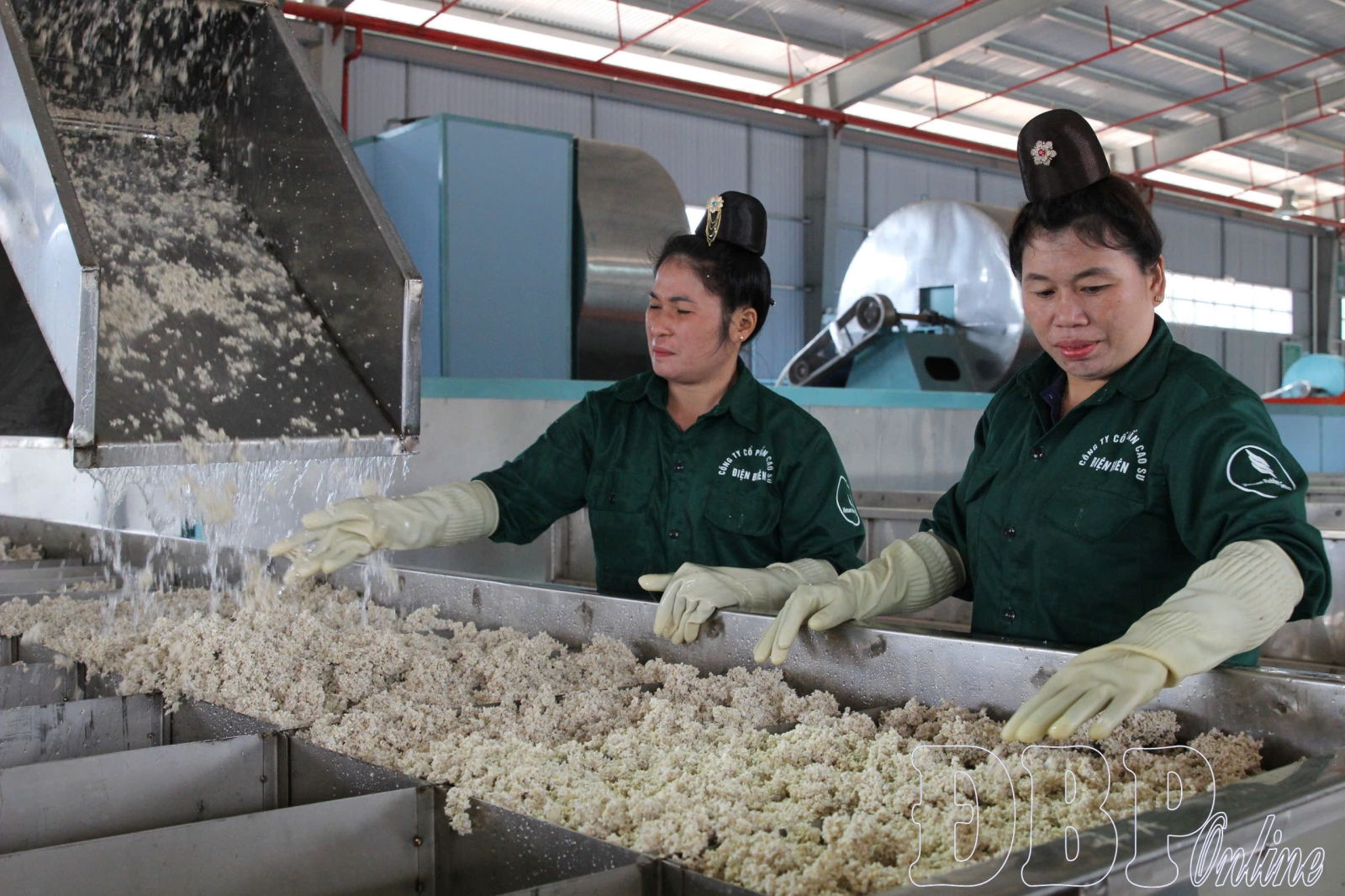
Alongside mechanization in soil preparation and harvesting, applying technology and machinery to the preliminary processing, preservation, and deep processing of agricultural produce is progressively receiving focused attention. The rate of high-tech application in preserving and processing agricultural produce reaches 15.2%. Several enterprises and cooperatives have invested in machinery systems, contributing to elevating product quality, meeting market demands, and augmenting the post-harvest value of agricultural commodities.
Rubber is one of the province’s flagship crops. Previously, rubber latex was predominantly sold raw or transported to other provinces for processing, driving up transport costs and product prices. However, since late 2025, Điện Biên Rubber Joint Stock Company operationalized a rubber latex processing plant with a designed capacity of 5,000 tons per year. The plant produces SVR10 and SVR20 rubber varieties, meeting TCVN (Vietnamese Standards) and TCCS (Base Standards), opening a path for deep processing and elevating product value right within the locality.
Initial efficiencies are reflected through production and business outcomes. During the first nine months of 2026, the plant processed over 3,211 tons of finished SVR10 rubber latex, achieving over 64% of the annual plan; consumption volume reached over 3,200 tons, an increase of 44% compared to the same period before the plant existed. Revenue reached over VND 172 billion, up 70%.
According to Nguyễn Ngọc Cẩm, General Director of Điện Biên Rubber Joint Stock Company, bringing the rubber latex processing plant into operation marks an important step forward in perfecting the province’s rubber industry value chain. Instead of depending on out-of-province processing facilities, raw materials are processed locally, contributing to cutting transport costs, enhancing production and business efficiency, and achieving greater proactivity in product off-take.
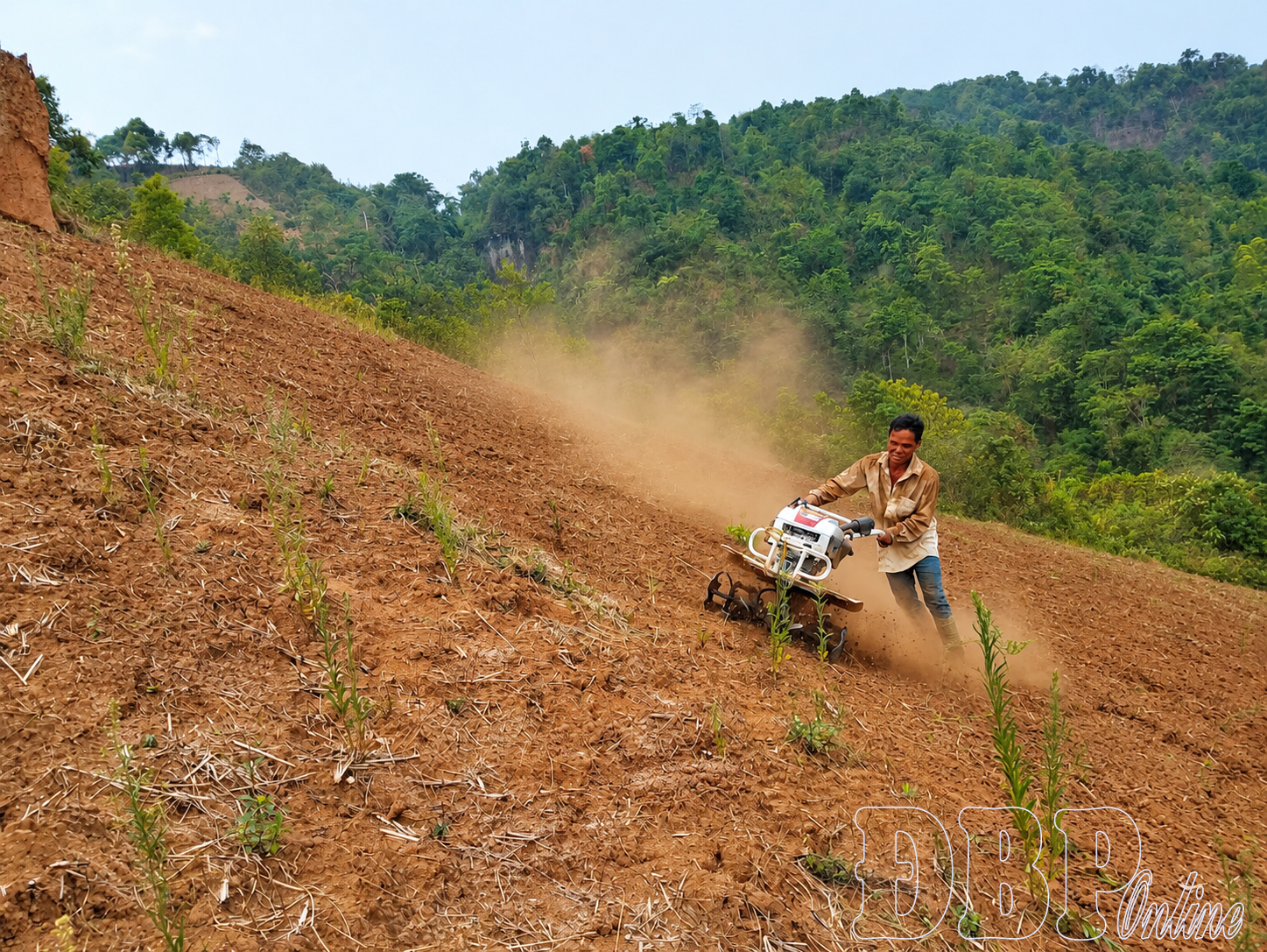
Nevertheless, agricultural mechanization in Điện Biên remains limited. Particularly in soil preparation, mechanization rates are primarily concentrated in rice production; the mechanization rate for sowing and planting only reaches 3.5%.
According to Chu Thị Thanh Xuân, Deputy Director of the Department of Agriculture and Environment, the root causes include high investment and procurement costs for machinery and equipment, while the investment capacity of farming households remains constrained. The infrastructure system serving production in several zones remains unsynchronized, posing difficulties for deploying machinery. Furthermore, production scales are still small and fragmented, terrain is complex, and fields are scattered, which is unconducive to applying synchronized mechanization and utilizing large-capacity machinery.
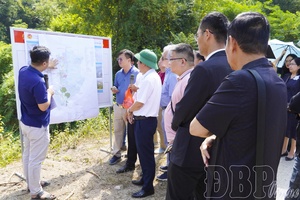
To drive the adoption of mechanization in agricultural production, the provincial People’s Committee issued Plan No.9263/KH-UBND on October 16, 2026, on executing the Strategy for agricultural mechanization and agro-forestry-fishery processing development through 2030 in the province. The plan aims to step up the application of advanced machinery, equipment, digital technology, and information technology in production; elevate mechanization levels across various stages; and progressively move toward synchronized mechanization. The province also orients prioritization toward smart devices and digital technologies such as unmanned aerial vehicles (drones), automated irrigation systems, and environmental sensors.
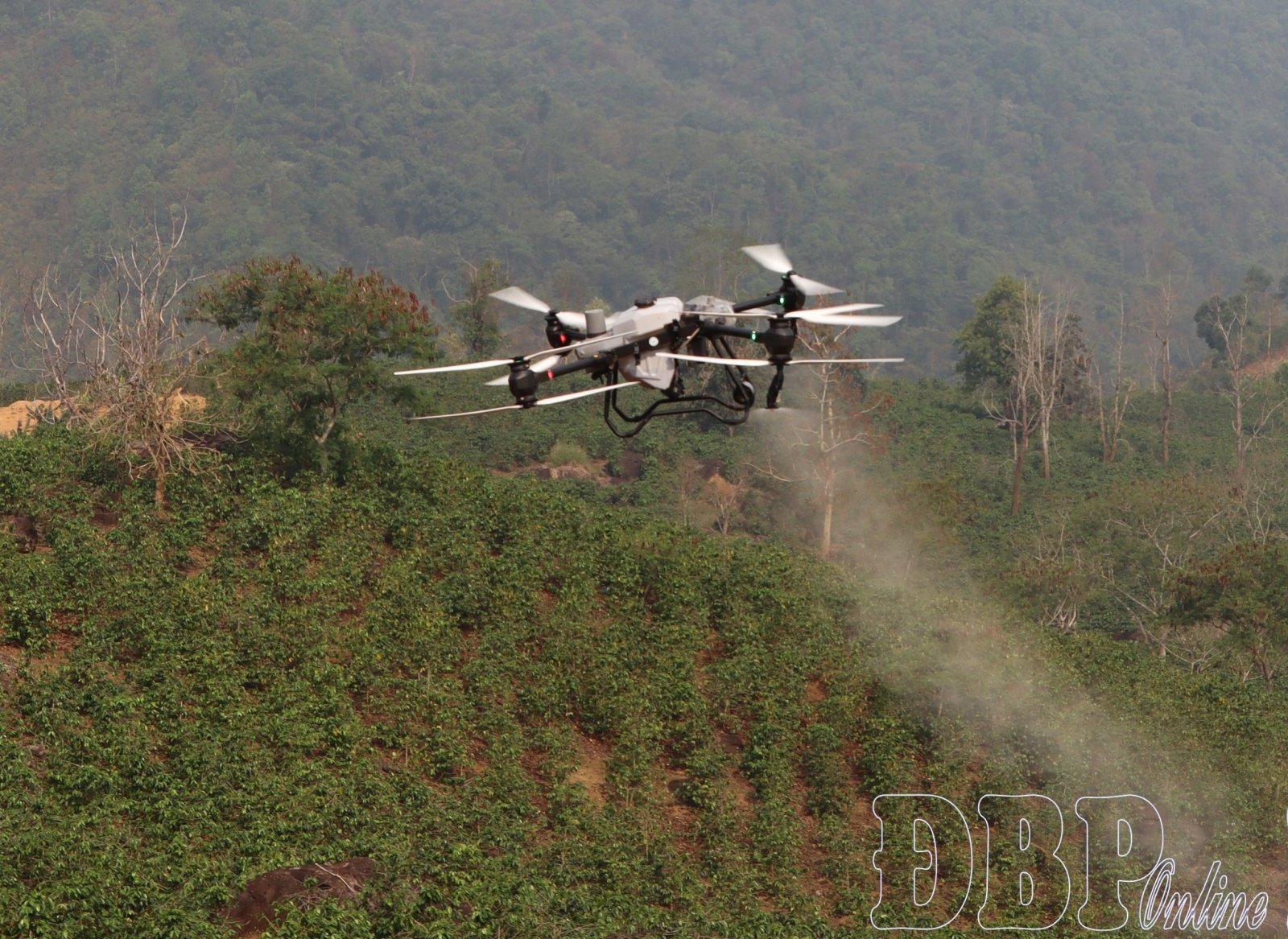
Accordingly, in cultivation, the province strives for synchronized mechanization in soil preparation for flagship crops to exceed 75%, crop care to surpass 20%, and harvesting to top 45%. For animal husbandry, the set target is for 100% of farms to implement synchronized mechanization across rearing stages, while the proportion of livestock establishments implementing synchronized mechanization reaches 10%. In forestry, the mechanization level aims to exceed 15% in soil preparation and 20% in tending. The province also targets over 50% of processing and preservation establishments for flagship agricultural products to attain a medium-advanced or higher level of technological capacity; and to reduce post-harvest losses for flagship agricultural products by a minimum of 0.5% annually.
To realize these objectives, the agricultural sector is determined to continue perfecting mechanisms and policies, attracting enterprise investments, and establishing concentrated raw material zones linked to circular production. Flagship crops and farm-based livestock rearing will establish conditions to introduce modern machinery into production. Alongside this, efforts will strengthen linkages among farmers, cooperatives, enterprises, and processing and consumption facilities; accelerate scientific and technological transfers; and provide guidance on equipment operation and maintenance, contributing to cost reductions and elevated mechanization efficiency.
With specific orientations and targets up to 2030, coupled with the participation of enterprises, cooperatives, and residents, mechanization will progressively expand, generating substantive transformations in the province’s commercial agricultural development.
Thu Phương



You have 500/500 characters left
Please enter 5 or more characters!!!