



Their value and brands have yet to reach their potential, and other products have been passed off as these specialties, hurting their reputation and making them harder to identify. To protect the brands, raise their value and lay the groundwork for quality control, the provincial People’s Committee approved maps of the production areas for the “Mường Thanh Rice” and “Pu Lau Honey Pineapple” certification marks on November 4, 2026.
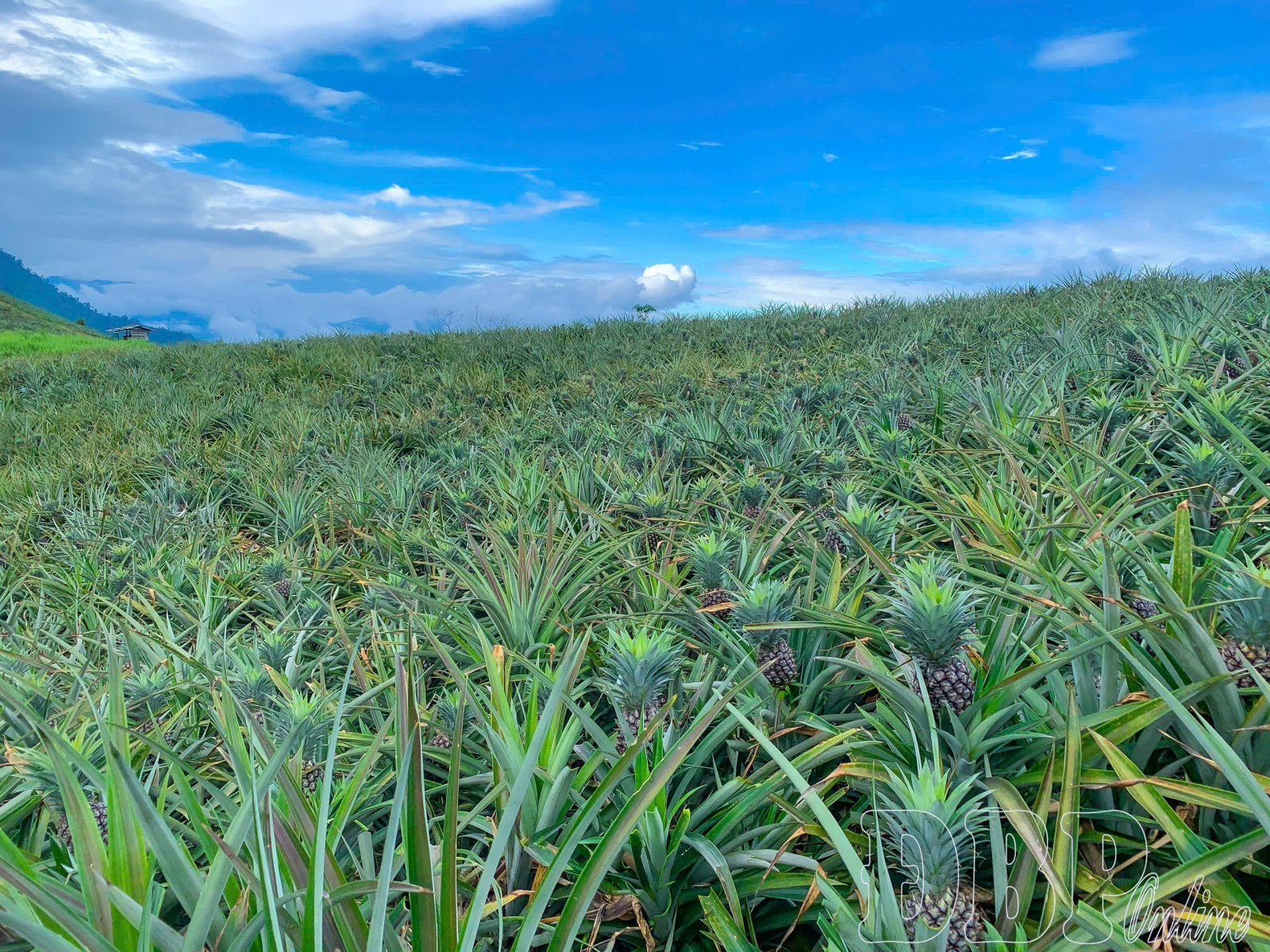
Favorable growing conditions, high product quality and sizeable production areas give both specialties the potential to compete in the market. Turning those advantages into lasting economic gains will require growers to build on their experience by organizing production, verifying origin and protecting the use of the two names.
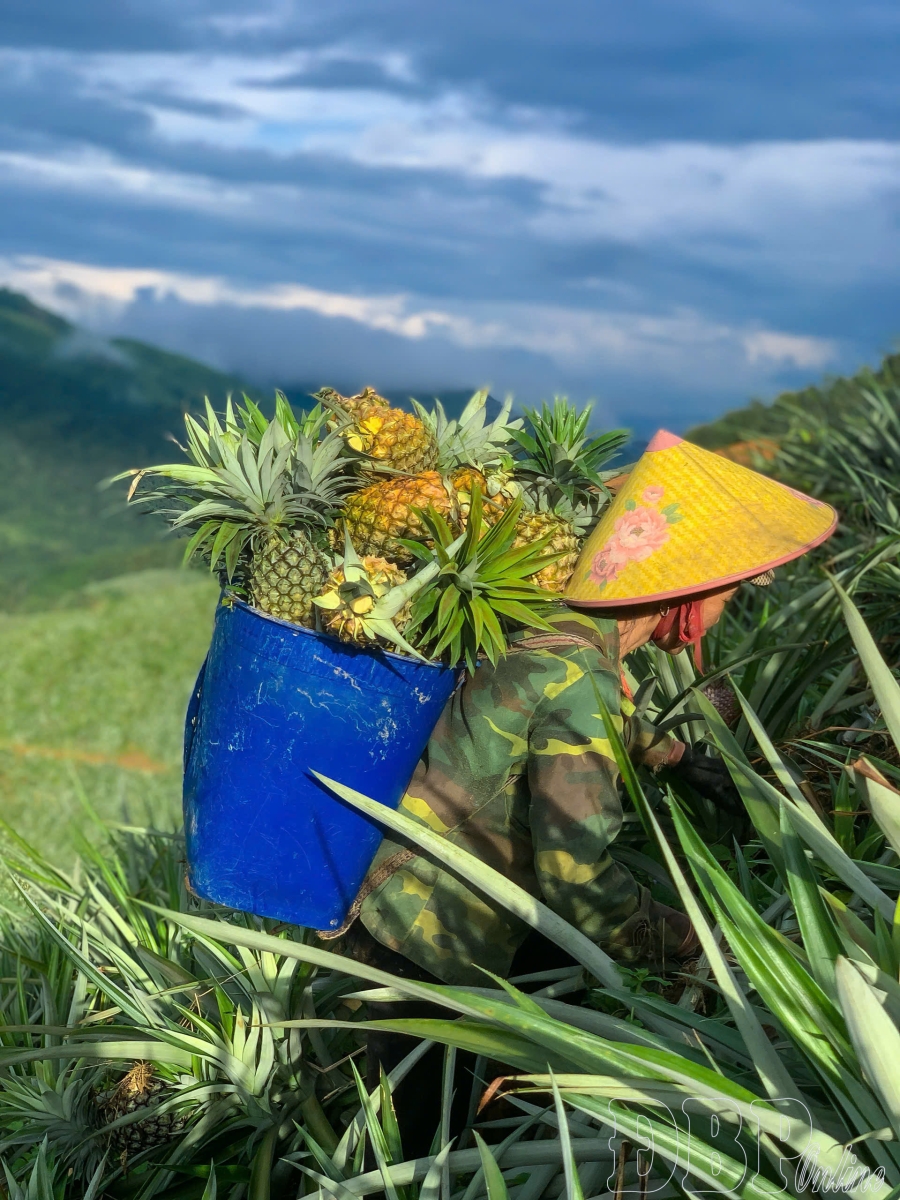
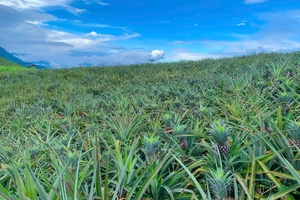
Mường Thanh rice is grown across a large area. Varieties such as Séng Cù, Tám Thơm and Bắc Thơm No.7 produce naturally fragrant, distinctly sweet rice with a soft, slightly sticky texture when grown there. Pu Lau honey pineapples from Mường Nhà commune appeal to consumers for their size, golden flesh, rich sweetness and distinctive aroma. The fruit typically weighs 2-3 kilograms and is popular with shoppers.
Good quality alone will take these products only so far. As consumers face more choices, they want to know where products come from, how they were made and whether they meet certain standards. Without a way to identify genuine products and protect their brands, even high-quality goods can be mixed with others, sold under false claims of origin or forced to compete unfairly with similar products.
In 2014, the Intellectual Property Office of Việt Nam recognized the “Điện Biên Rice” geographical indication for Bắc Thơm No.7 and IR64 rice, but efforts to manage it and realize its value have been limited. Defining the production areas, authorizing the use of the place names and establishing certification marks for Mường Thanh rice and Pu Lau honey pineapple would help address those problems.
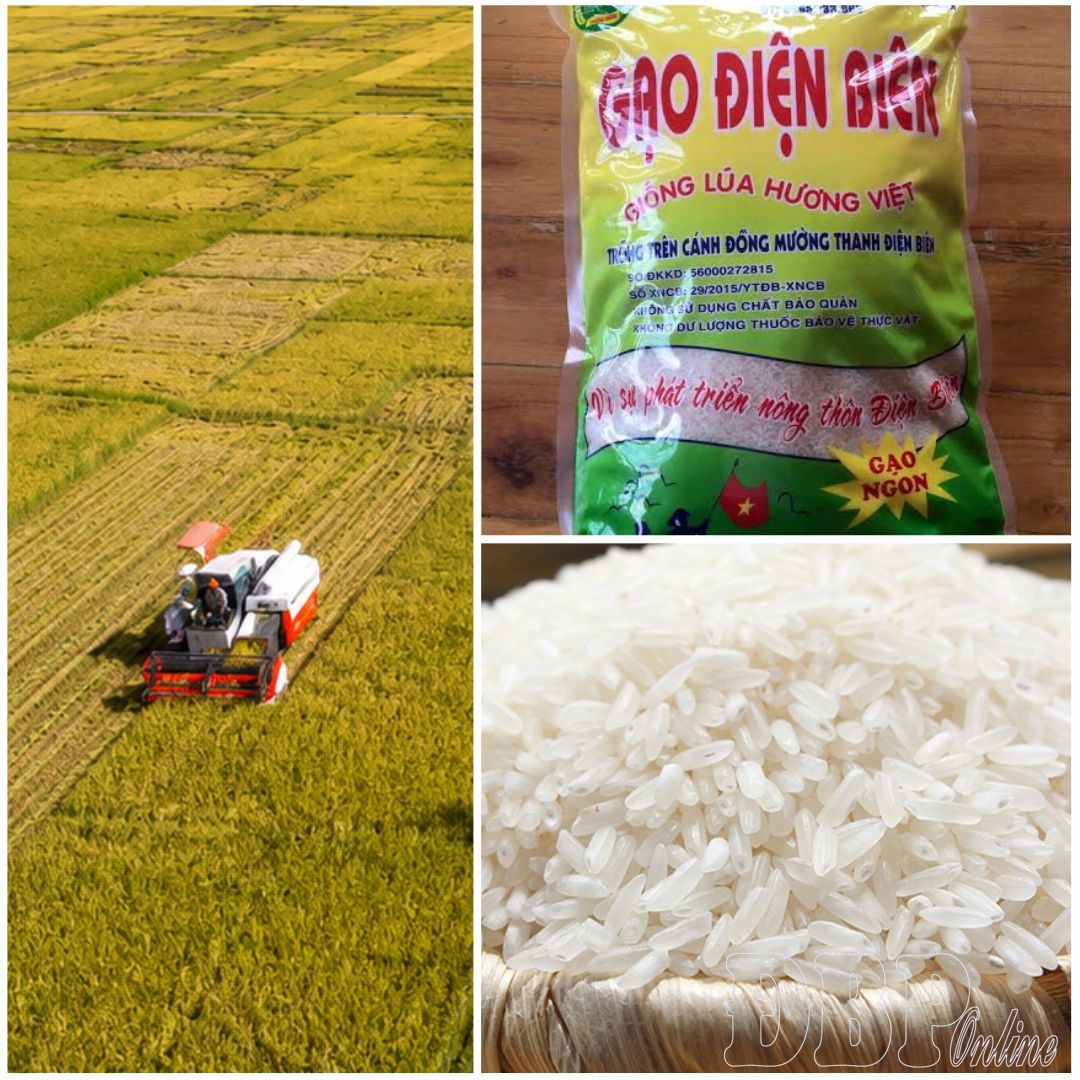
The provincial People’s Committee approved production-area maps for the two certification marks. The marks cover rice, honey pineapples and related products and services from Điện Biên, including the trading, wholesaling and retailing of rice, fresh pineapple and products processed from either crop. The Department of Agriculture and Environment is authorized to use “Mường Thanh” and “Pu Lau” to register the marks. The Mường Thanh rice area covers Mường Thanh and Điện Biên Phủ wards and Thanh Nưa, Thanh An, Thanh Yên and Sam Mứn communes. The Pu Lau honey pineapple area covers Mường Nhà, Núa Ngam and Phình Giàng communes.
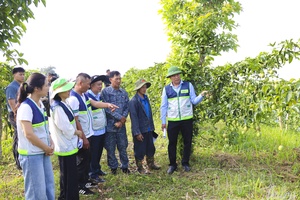
In Mường Nhà commune, approval of the pineapple production map gives local authorities, residents and cooperatives a clearer role. Mường Nhà Pineapple Cooperative Director Thào A Giàng said the approval and permission to register the Pu Lau name were encouraging for growers. The decision provides a legal basis for protecting the name and origin and can help build trust among consumers and buyers, he said.
Defining the boundaries establishes where the products come from and lets local authorities, cooperatives and individual growers work together to manage production areas and apply consistent controls to production methods and quality. That could help overcome fragmented production, build a more organized agricultural supply chain and curb the sale of goods falsely marketed under the local names.
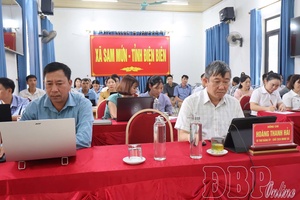
Department of Agriculture and Environment Director Lê Xuân Cảnh said defining where the names may be used was an important step in completing the applications for the two certification marks. The department will work with relevant agencies and local authorities to complete the applications and submit them to the competent authority for review and issuance of protection certificates. It will oversee the use of the marks and set up controls to ensure authorized users follow the rules and uphold product quality and reputation once the marks are protected.
Defining production areas and protecting the marks will help both products build on their quality, origin and distinctive traits. Legal protection, tighter quality control and production geared to market demand can help the products retain their reputations, command greater value, reach more buyers and compete more effectively. A stronger market position could improve farmers’ incomes and living standards.
Thu Phương







You have 500/500 characters left
Please enter 5 or more characters!!!