



Interspersed among the green coffee are macadamia trees tended and cultivated by residents. The labor atmosphere on the hill swiddens demonstrates a shift in the production mindset of highland residents, as industrial crops are progressively selected to replace inefficient farming areas.
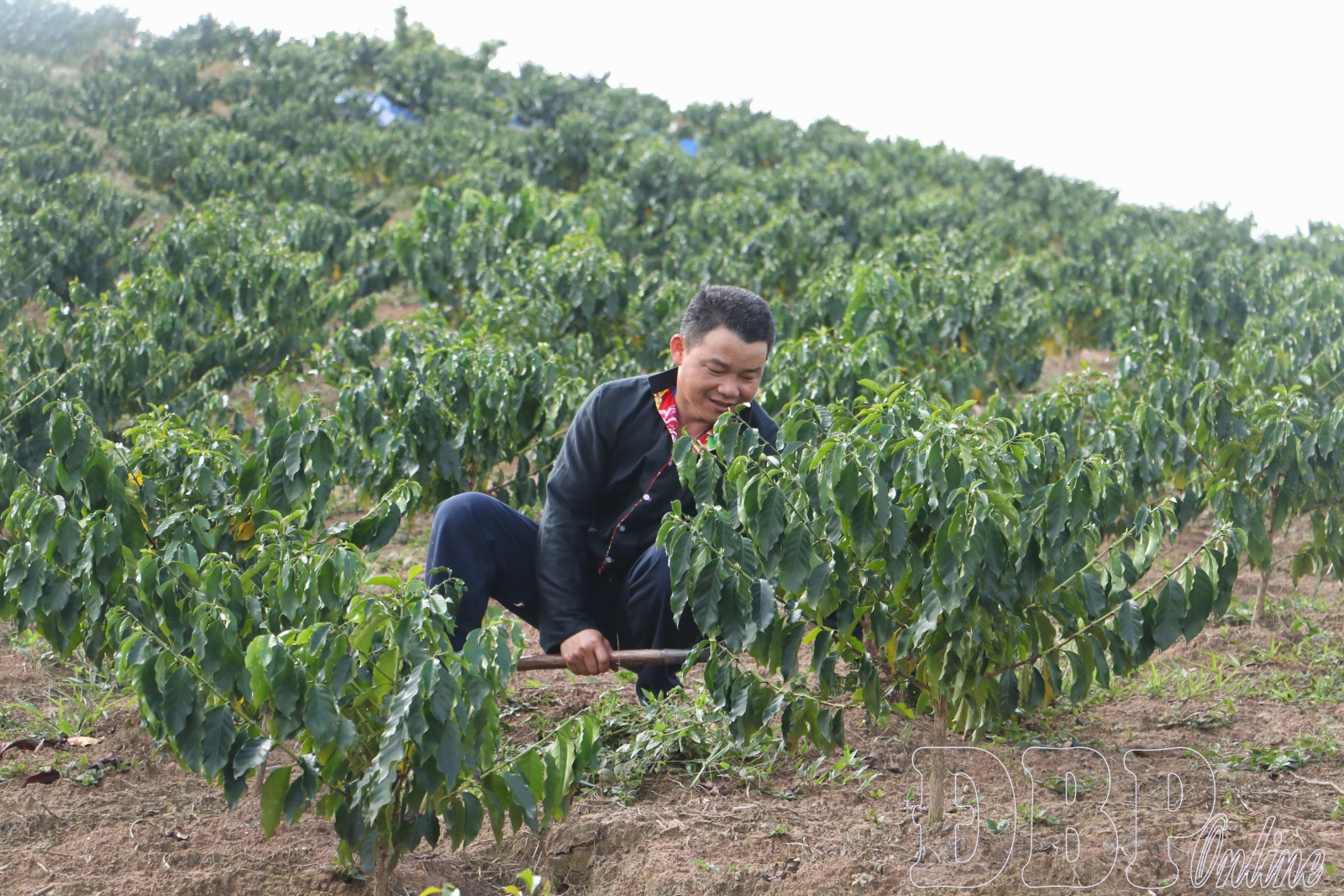
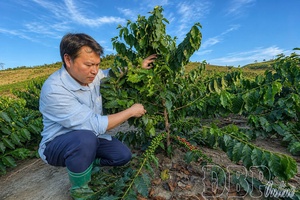
In 2025, executing the locality’s crop restructuring policy, the family of Hờ A Lử in Huổi Cọ village proactively purchased coffee seedlings to plant on an area of over 1ha. Instructed by cadres of the commune Integrated Service Center on planting and tending techniques, his family applied the correct procedures, resulting in a thriving orchard. Hờ A Lử shared: Currently, the coffee trees are developing well. My family hopes that in the coming years, coffee will maintain a stable price, generating a long-term income source for us highland residents.
Beyond the households participating in projects supported by the State with seedlings and materials, many families have self-procured seeds and invested in planting coffee and macadamia on their own land. According to Chang A Chư, Head of Huổi Cọ village, the village currently boasts over 20ha of coffee intercropped with macadamia; of this, approximately 10ha of pure coffee is self-invested by residents. The proactivity of citizens in investing to expand acreage demonstrates their response to the locality’s crop restructuring policy.
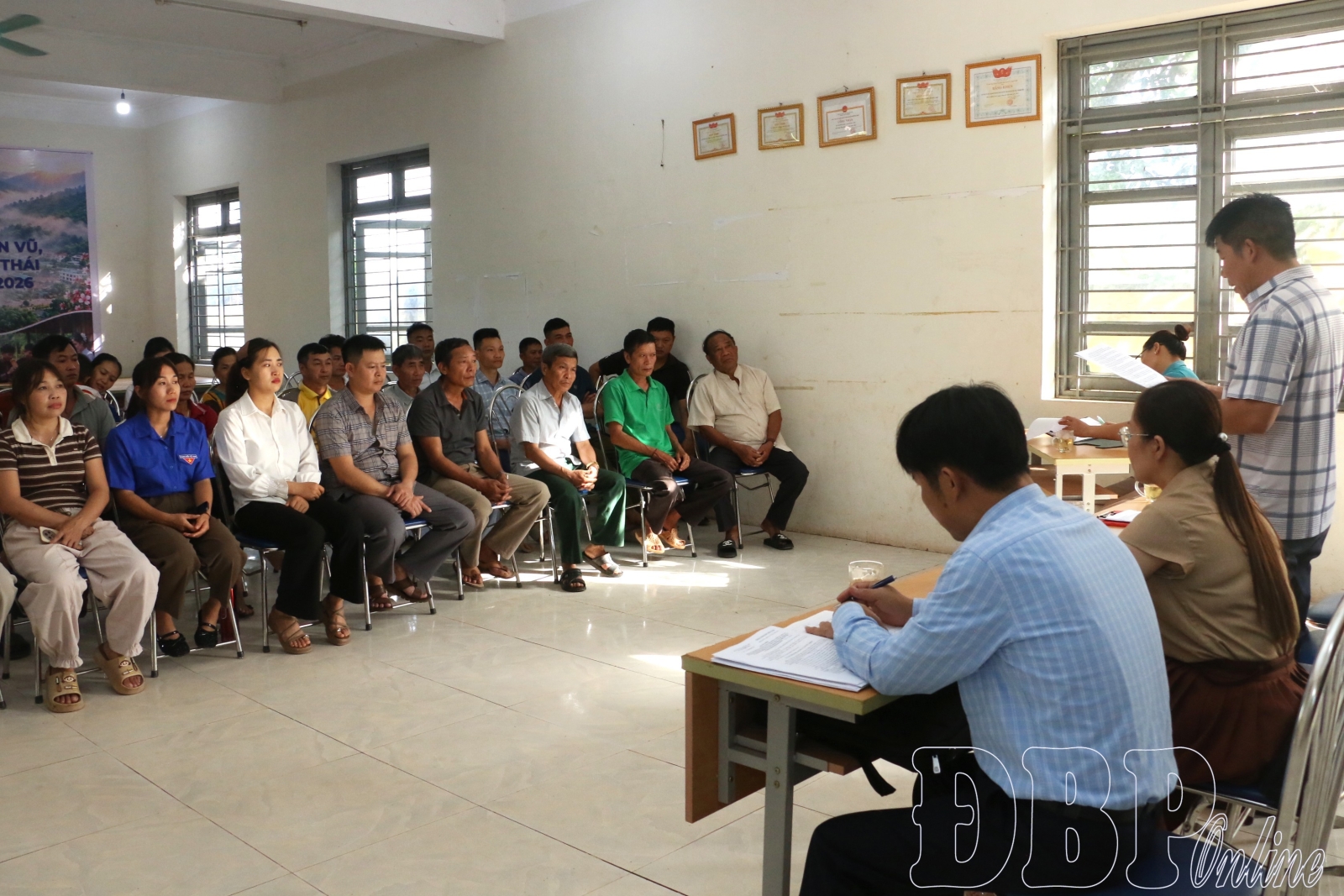
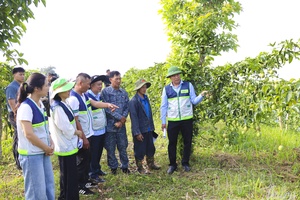
In Mường Nhé village, deploying the crop restructuring policy is identified by the Party cell as a task requiring the pioneering and exemplary lead of cadres and Party members. The Party cell organized meetings, disseminated the policy to Party members, and concurrently communicated and mobilized the People to co-execute it. Every Party member took the lead in selecting land, investing in seedlings, and tending the orchards, generating a ripple effect within the community. Consequently, in 2026, Mường Nhé village newly planted over 10ha of coffee, the entire area self-invested by residents.
Lò Văn Sơn, Secretary of the Mường Nhé village Party Cell, stated: The Party cell launched a movement of self-planting coffee and macadamia among cadres and Party members; every Party member must pioneer and set an example by taking the lead. When cadres and Party members did it first, residents trusted and followed suit. Through this, the industrial crop planting movement progressively spread among the People.
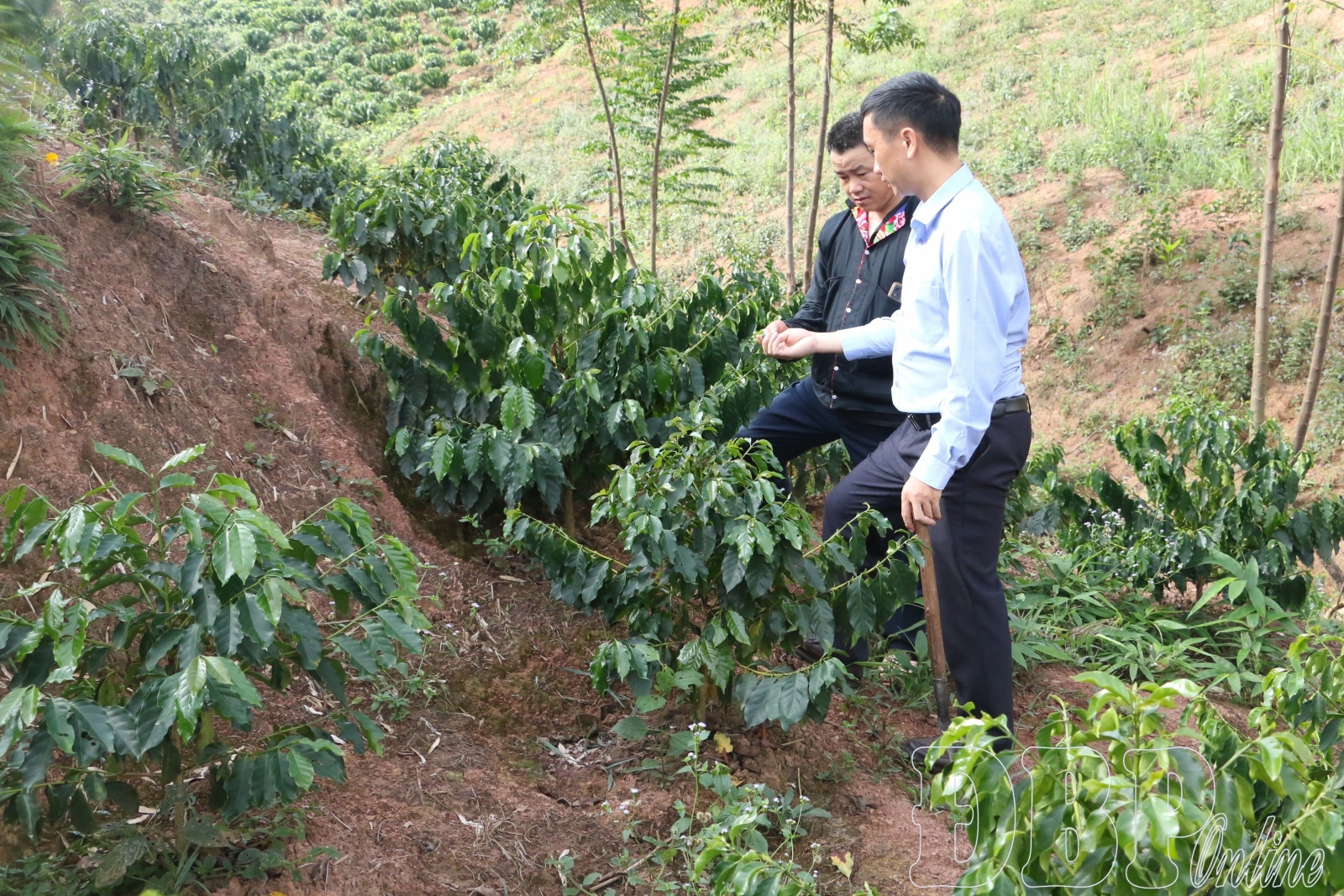
The transformations in Huổi Cọ and Mường Nhé serve as testament to the process of substantiating the commune’s agricultural economic development policy; centered on Resolution No.13 of the commune Party Executive Committee on developing flagship industrial crops for the 2025-2030 period. The resolution identifies the development of macadamia, coffee, rubber, cinnamon, michelia (dổi), and sugarcane as suited to natural conditions, step-by-step forming concentrated commercial production zones, elevating economic efficiency, and improving incomes for the people.
The target by 2030 is for the entire commune to establish a flagship industrial crop production zone covering a total area of approximately 4,950ha. Within this, macadamia accounts for 1,500ha, coffee 1,000ha, rubber maintained at 500ha, cinnamon developed at 1,000ha, and sugarcane at 300ha. The resolution sets the goal of having 60% of villages possess concentrated commercial production zones of 200ha or more; generating employment for roughly 2,000 - 3,000 local laborers, and establishing raw material zones qualified to attract processing facility investments.
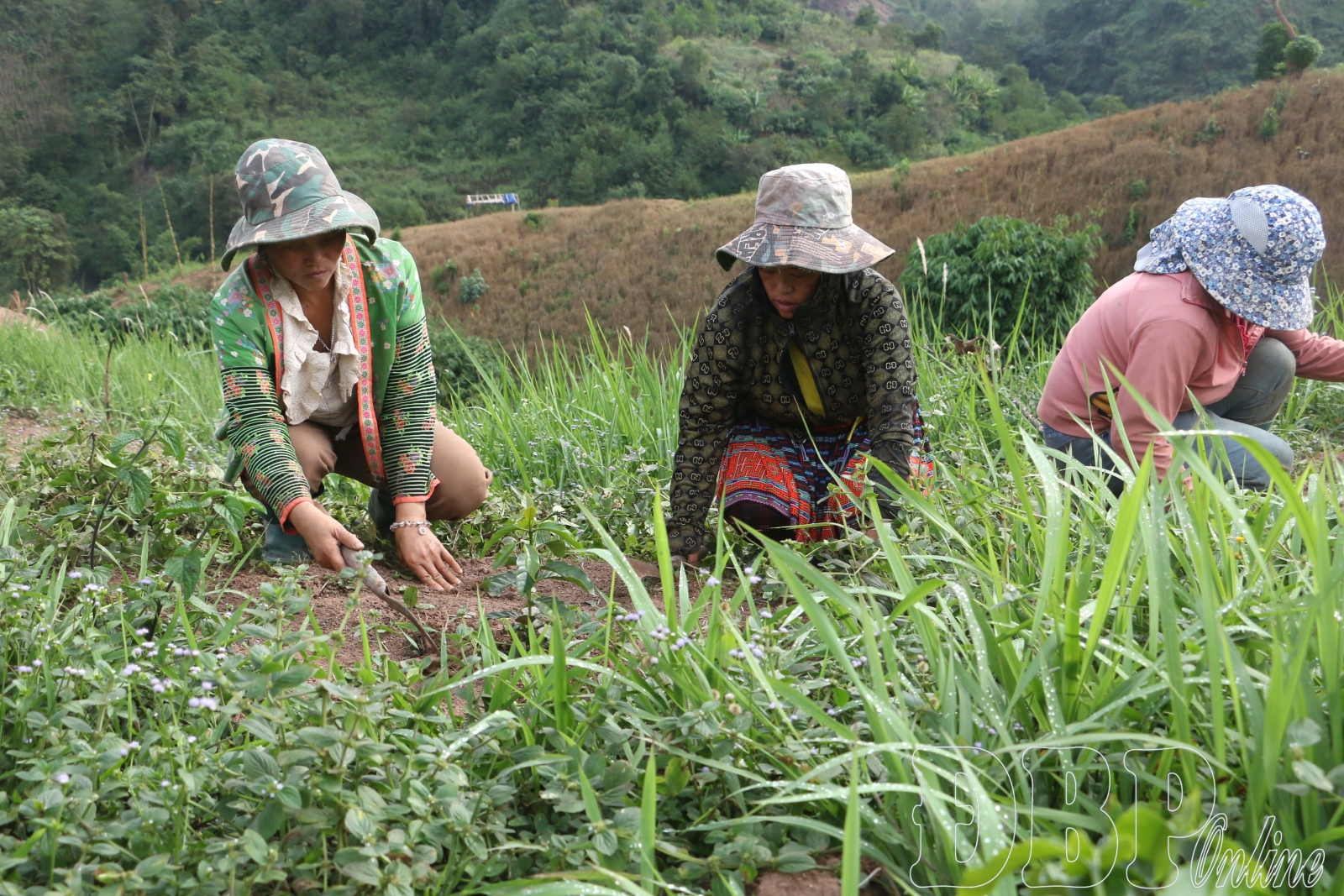
To bring the resolution to life, the commune Party committee and administration focus on communicating and disseminating the targets and orientations for industrial crop development to Party cells, villages, and the public. The commune People’s Committee substantiates the tasks through deployment plans, assigns specialized departments to provide technical guidance, reviews land areas, and mobilizes residents to select suitable crops. National target programs are integrated to support value chain-based production development; concurrently encouraging households to proactively invest and expand acreage using family resources.
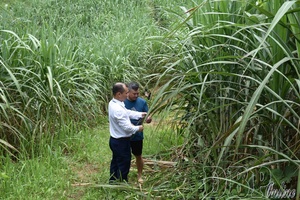
In 2026, Mường Nhé commune newly planted 726.66ha of coffee and macadamia, achieving 121.11% of the assigned plan. Of this, the newly planted area for coffee was 414.33ha, and macadamia 312.33ha. Through 9 value chain-based production development support projects, the locality deployed across an area of 624.66ha, comprising 312.33ha of coffee and 312.33ha of macadamia. Beyond the supported acreage, residents self-nursed and purchased seedlings to plant an additional 102ha of coffee. Several existing industrial crops continue to be maintained. The entire commune has 529.97ha of rubber under extraction, yielding an average latex output of 2 tons/ha, generating an income of VND 45 - 50 million/ha/year.
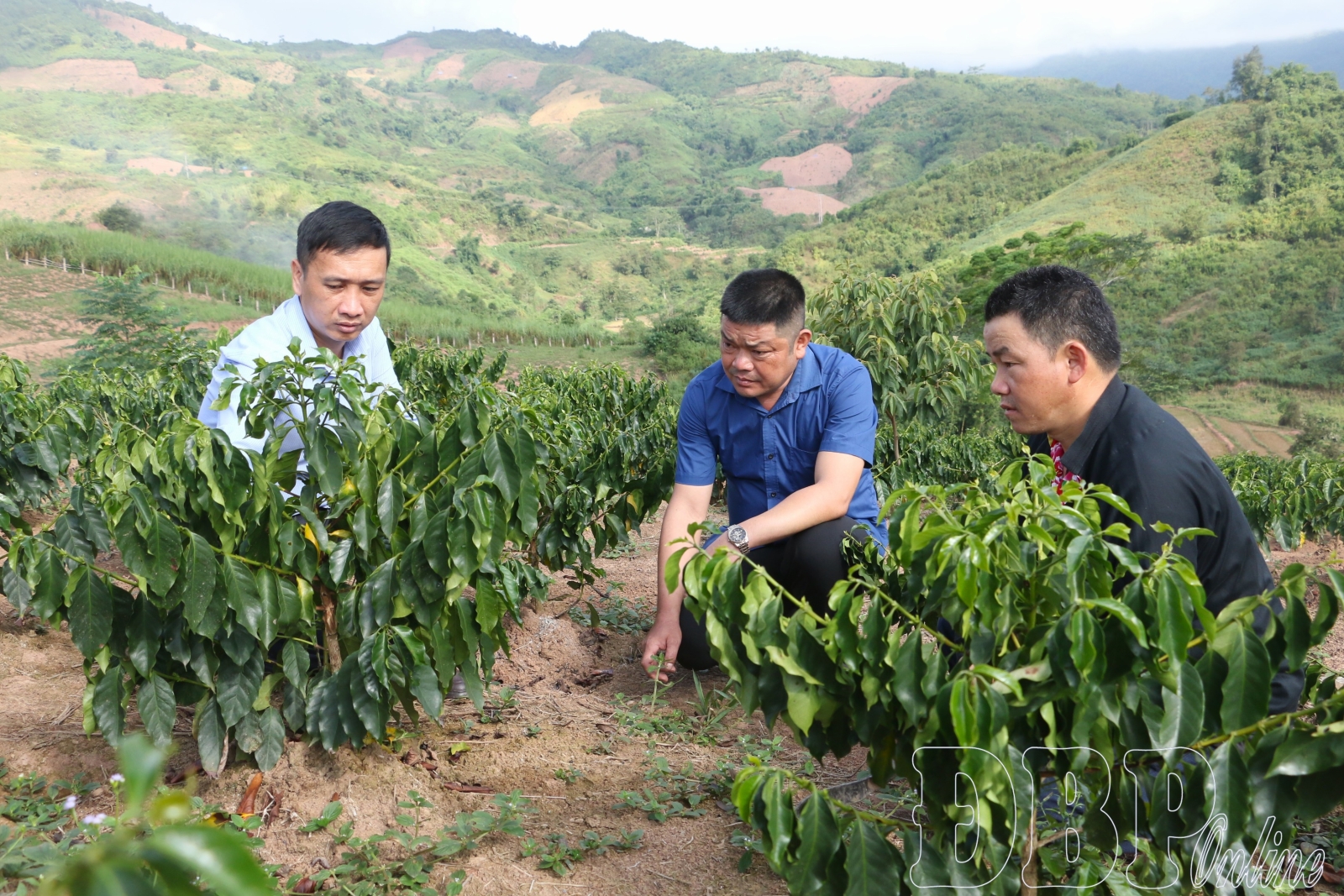
Tạ Văn Sơn, Secretary of the Mường Nhé commune Party Committee, stated: In the coming time, the commune will continue to review and plan growing zones suited to soil and climate conditions; strengthen guidance for residents to apply technical protocols, and use seedlings guaranteeing quality. Coupled with acreage expansion, the locality emphasizes building linkages among growers, cooperatives, and enterprises; step-by-step forming concentrated raw material zones, tethering production to pre-processing, processing, and product consumption.
For crop restructuring and the introduction of industrial crops to truly become sustainable livelihoods, the crucial factor is the locality accompanying residents in tending, elevating productivity, enhancing quality, and ensuring product outlets. When the Party committee and administration resolutely organize execution, and residents proactively change their working methods, Mường Nhé’s goal of developing flagship industrial crop zones will soon be realized.
Anh Nguyễn


You have 500/500 characters left
Please enter 5 or more characters!!!