



This makes it harder to enroll children, keep them in class and improve preschool education. Education authorities and local governments are working to sustain near-universal enrollment and improve care and teaching in underserved areas.
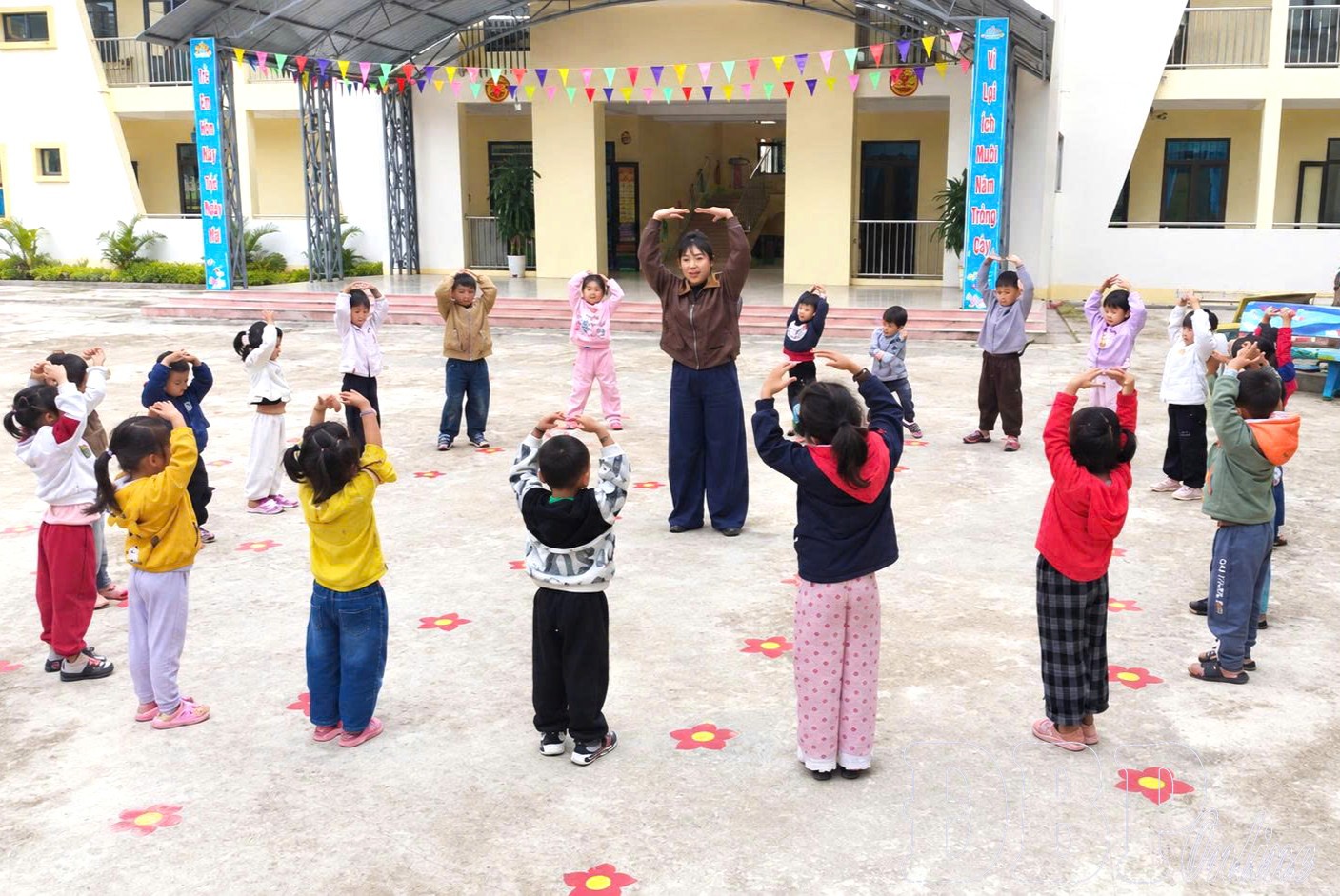
In the 2026-2027 school year, Điện Biên has 51 preschools serving 52,010 children in 2,366 classes. Enrollment reached 99.82% among children ages 3-5 and 99.95% among five-year-olds. Education authorities, local governments and schools have worked to make preschool accessible to more children.
In border and mountain communes such as Sín Thầu and Chiềng Sinh, schools adapt their approach to local circumstances. They work with local authorities, families and village heads to identify children of preschool age and encourage attendance, particularly among ethnic minority children and those from poor households or families facing hardship.
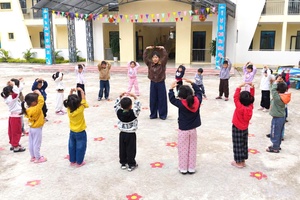
Keeping satellite classrooms open is crucial to reaching children in remote areas served by Sín Thầu Preschool. One such site is in Tả Ló San village, about 50 kilometers from the commune center. Landslides and muddy roads are common in the rainy season. The local classroom lets children study close to home without traveling long distances.
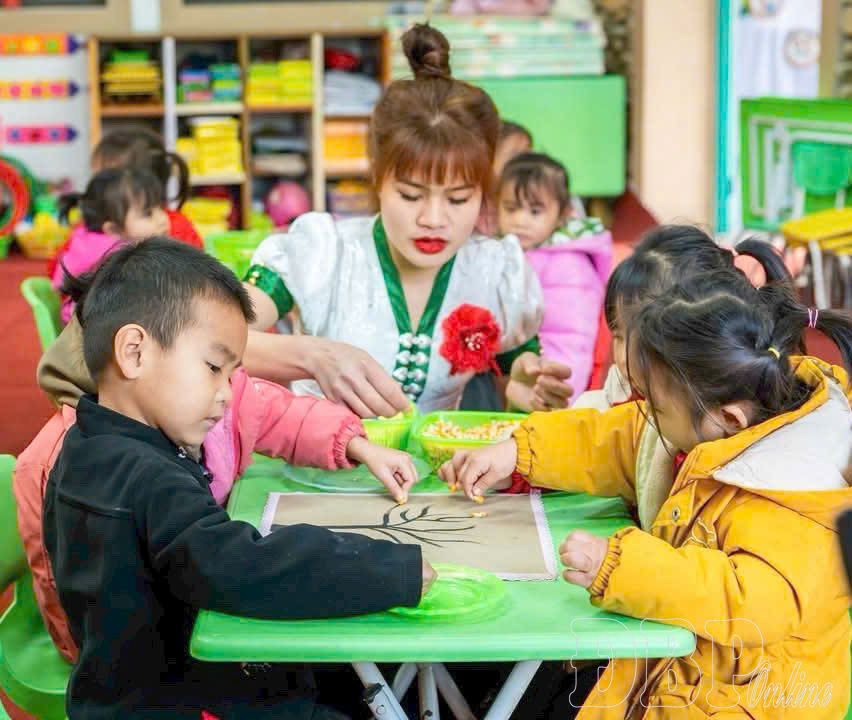
Sín Thầu Preschool Principal Nguyễn Thị Ngọc said some children used to miss out because their parents had limited awareness of preschool education. With support from local Party committees and authorities and outreach suited to families’ needs, she said, children of preschool age are now attending. Parents feel comfortable bringing their children to school, and the children arrive smiling and confident.
In the 2026-2027 school year, Sín Thầu Preschool is operating 32 sites serving 531 children and has achieved 100% enrollment.
Close cooperation among Chiềng Sinh Preschool, local authorities and families has also helped bring children into class. School Principal Nguyễn Thị Yến said the school regularly works with the commune People’s Committee, the Division of Culture and Social Affairs, villages, hamlets and parents to identify eligible children and encourage attendance. In 2026-2027, it has 25 preschool classes serving 710 children ages 3-5, with 100% enrollment among five-year-olds. It holds two sessions a day, provides meals for children who stay through the school day and works with parents on care and supervision to keep attendance steady.
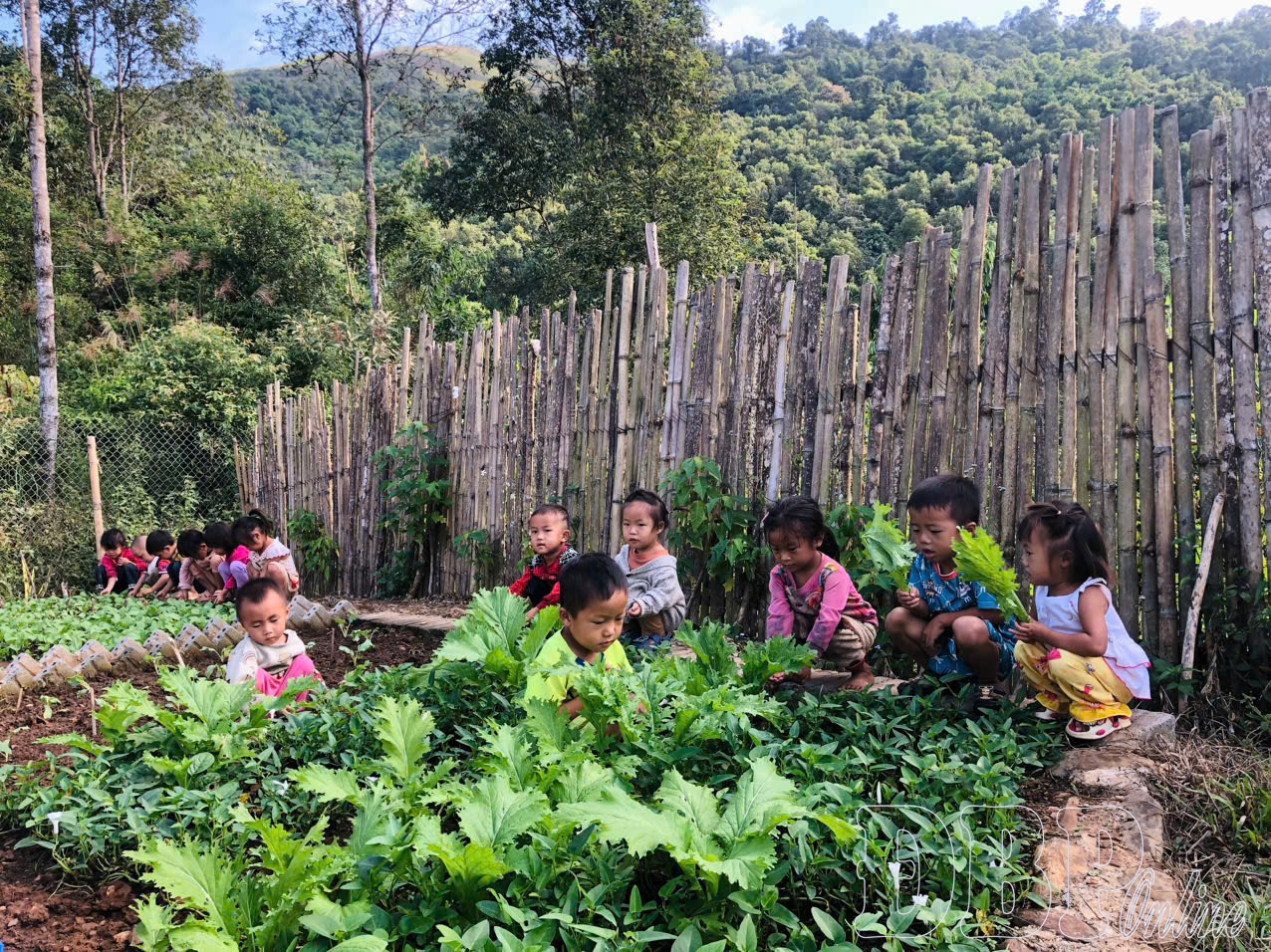
Better care and teaching are essential to sustaining preschool coverage. At Sín Thầu Preschool, teacher Hoàng Thị Yến, who leads a mixed class of four- and five-year-olds, said bitter cold and thick fog in winter and slippery roads in the rainy season made some parents reluctant to bring children to class. Other parents spend days at a time working on distant upland plots and cannot take children to school or pick them up. Some children cared for by elderly grandparents attend irregularly.
Language is another barrier. Most children are used to speaking their first language, such as Hà Nhì or La Hủ, and have yet to understand or speak Vietnamese fluently. Differences in comprehension and attention make classroom activities harder to organize.
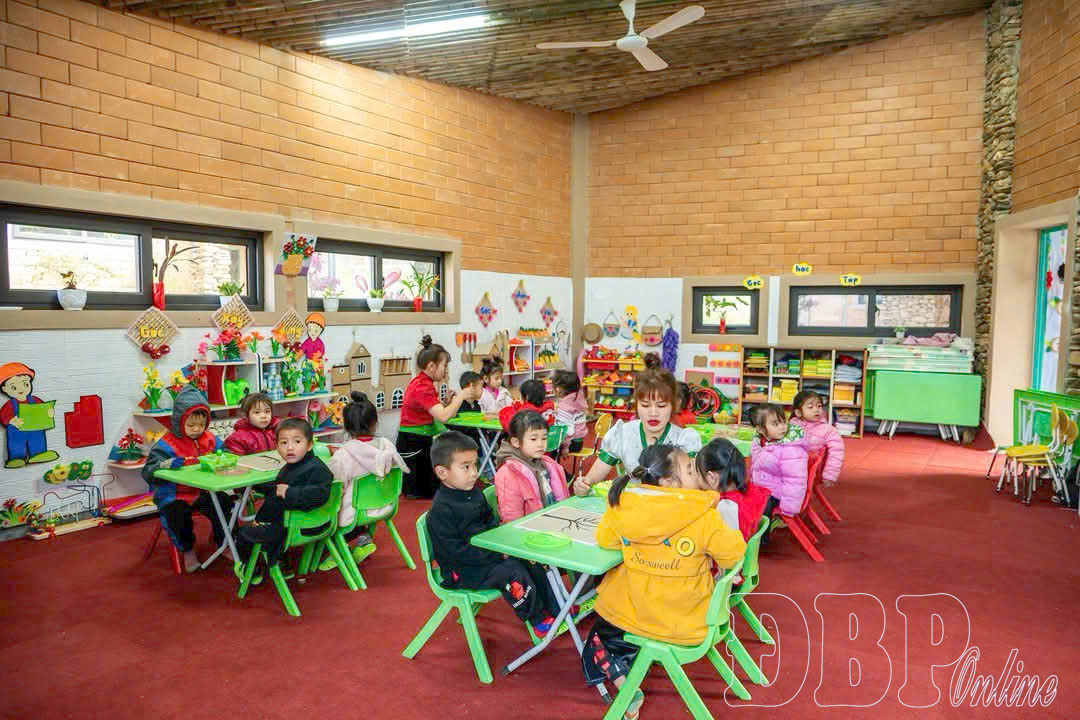
Yến takes time to get to know the children and communicates in ways that help them settle into class. When a child misses several days, she finds out why and visits the family to encourage a return. In class, teachers create a welcoming environment and give children more chances to talk and learn by doing. They use homemade teaching materials and toys and adapt tasks to each child’s abilities to encourage participation.
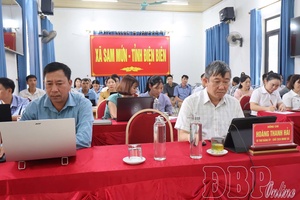
Support from local authorities helps schools make these measures work. Chiềng Sinh commune People’s Committee Chairman Đỗ Văn Sơn said the commune assigned officials to individual villages to work with schools and village heads to identify children of preschool age and encourage parents to enroll them. The commune also supports families facing hardship, raises resources to improve facilities and fully implements policies supporting children and teachers. This helps sustain attendance and improve preschool provision.
Improving universal preschool education in Điện Biên takes coordination among education authorities, local governments, schools, teachers and families. Measures to bring children to school, maintain attendance and improve care, nutrition and teaching protect children’s right to learn. They also narrow regional gaps in access and help children in underserved areas develop and prepare for primary school.
Quỳnh Hoa





You have 500/500 characters left
Please enter 5 or more characters!!!