



Through practical models, agricultural extension activities unlock orientations for developing high-economic-value crops, progressively forming commercial production zones, elevating incomes, and heading toward a sustainable agriculture.
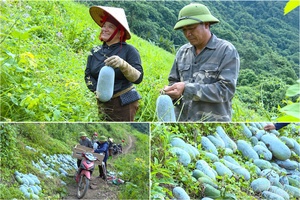
In 2020, the Agricultural Extension and Seed/Animal Breeding Center (under the Department of Agriculture and Environment) deployed a 2ha golden pear planting model in Tìa Dình commune. After more than 5 years of trial planting, the golden pear trees yielded harvests, unlocking prospects for developing a fruit tree suited to local climate and soil conditions.
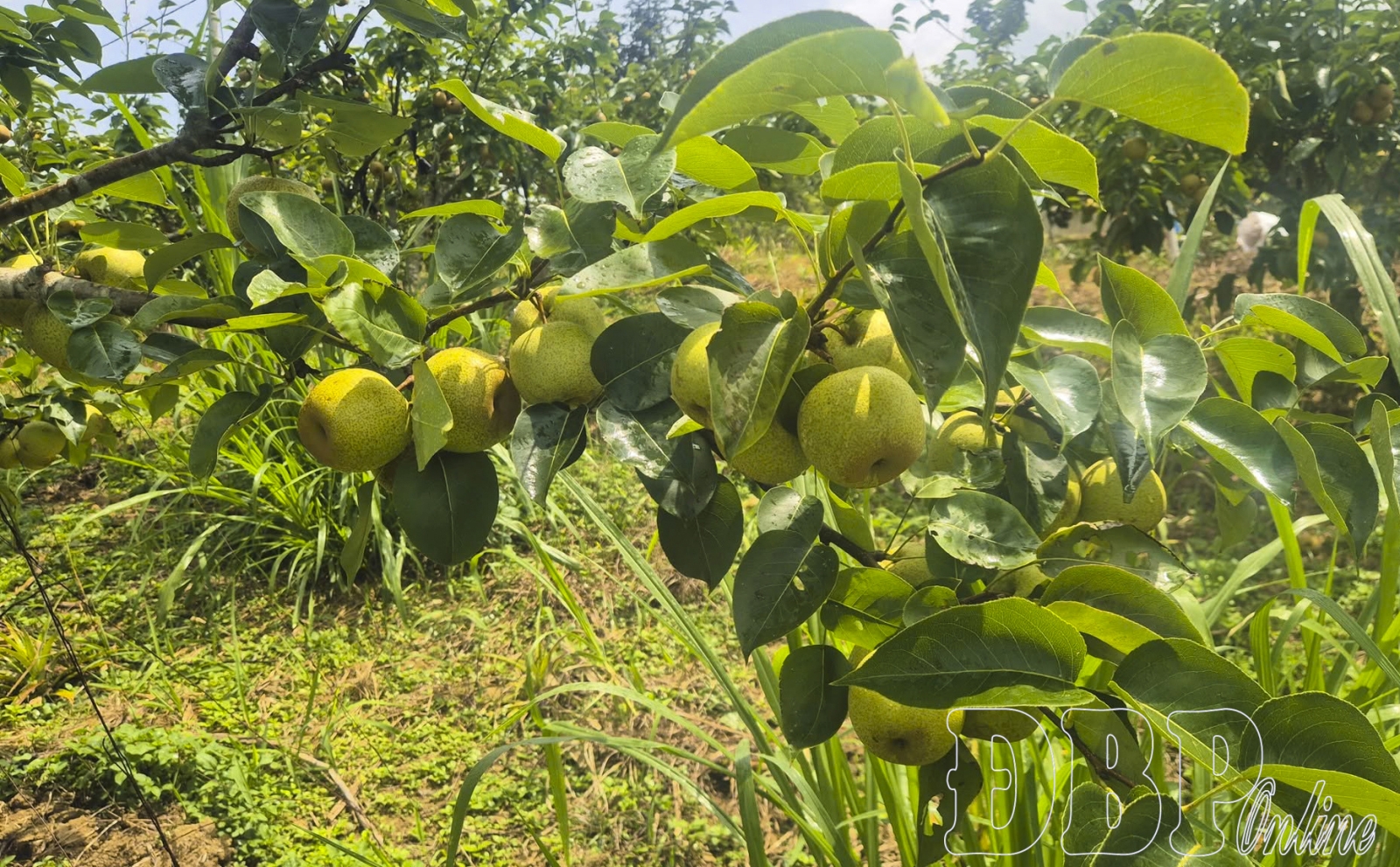
As one of the pioneering households participating in the golden pear planting model, Giàng Thị Chía’s family from Háng Lìa village (Tìa Dình commune) received 100% support for seedlings, fertilizers, plant protection chemicals, and technical training for planting and tending an area of approximately 2,000m². During execution, she regularly exchanged with technical cadres regarding the crops’ growth status and applied suitable care measures. Today, the pear orchard has yielded a harvest, and the produce is purchased by merchants right at the garden.
Chía stated: “Currently, on average, each pear tree yields 10kg of fruit, selling for about VND 20,000/kg. With 2,000m², it generates an income of roughly VND 20 million/season. Pear trees yield a higher and more stable income than corn and cassava.”
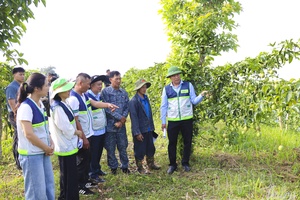
Stemming from initial results, in 2025, the Agricultural Extension - Seed and Animal Breeding Center continued deploying a model in Tìa Dình commune to convert swidden crop areas to golden pear planting on a 6ha scale with 20 participating households. Alongside providing seedlings and materials, technical training and guidance were organized directly in the orchards, helping residents master care procedures and proactively track the trees’ development.
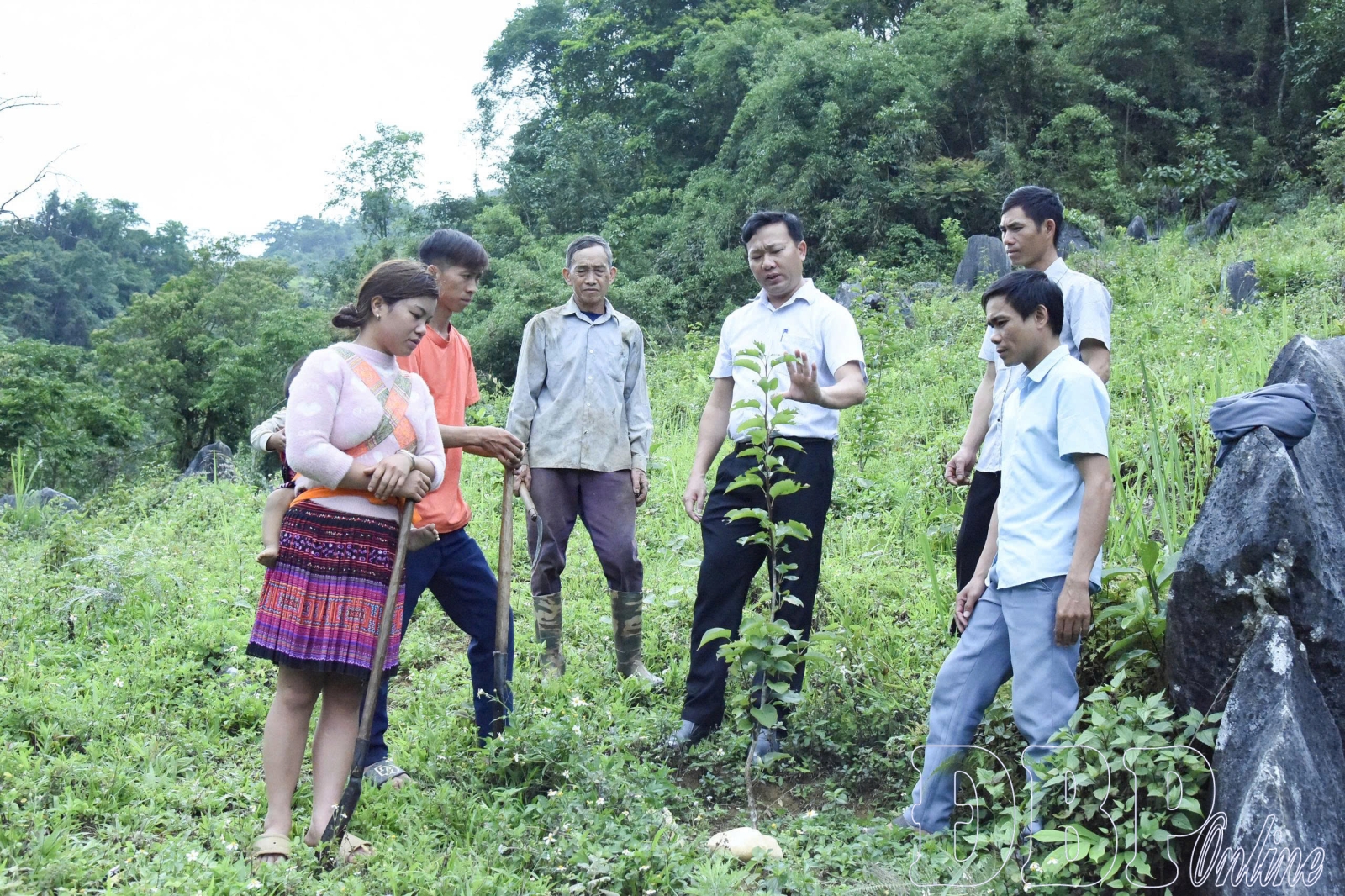
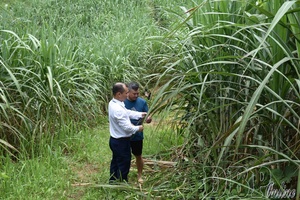
Recognizing the prospects of the new crop, Vàng A Cử from Tân Lập village boldly converted nearly 1ha of swidden land cultivating corn and cassava to plant golden pears. Cử shared: “This is a new crop, so it demands substantial care and technique. However, thanks to prompt guidance and support from specialized cadres, my family’s pear area is developing well. I hope planting pears will yield a higher income compared to planting corn and cassava previously.”
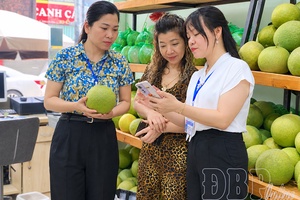
Currently, Tìa Dình commune boasts over 20ha of golden pears. According to Bùi Xuân Thức, Chairman of the commune People’s Committee, alongside coffee and macadamia, the locality identifies the golden pear as one of its flagship crops, aiming to build a distinctive OCOP product brand. Many pear areas have entered the harvesting phase, yielding an average income of approximately VND 60 million/ha. This forms the basis for the commune to continue finalizing dossiers to build an OCOP product, generating livelihoods and elevating incomes for residents.
Coupled with golden pears, passion fruit is also opening new production restructuring orientations across numerous localities. Since November 2025, the Agricultural Extension and Seed/Animal Breeding Center has deployed a passion fruit planting model covering a total area of 10.4ha, involving 7 households across Điện Biên Phủ ward and Núa Ngam commune. After over 10 months of deployment, evaluation results show that each passion fruit crop can yield 4 harvest batches; total output is estimated to approach 30 tons, with a selling price of around VND 15,000/kg, projecting profits exceeding VND 200 million/ha. Based on this result, in 2026, the Center continued surveying and deploying passion fruit planting in Thanh Yên commune on a 5ha scale with 10 participating households, and 3.2ha in Xa Dung commune with 5 participating households. More than 2 months after planting, the passion fruit vines are growing and developing well.
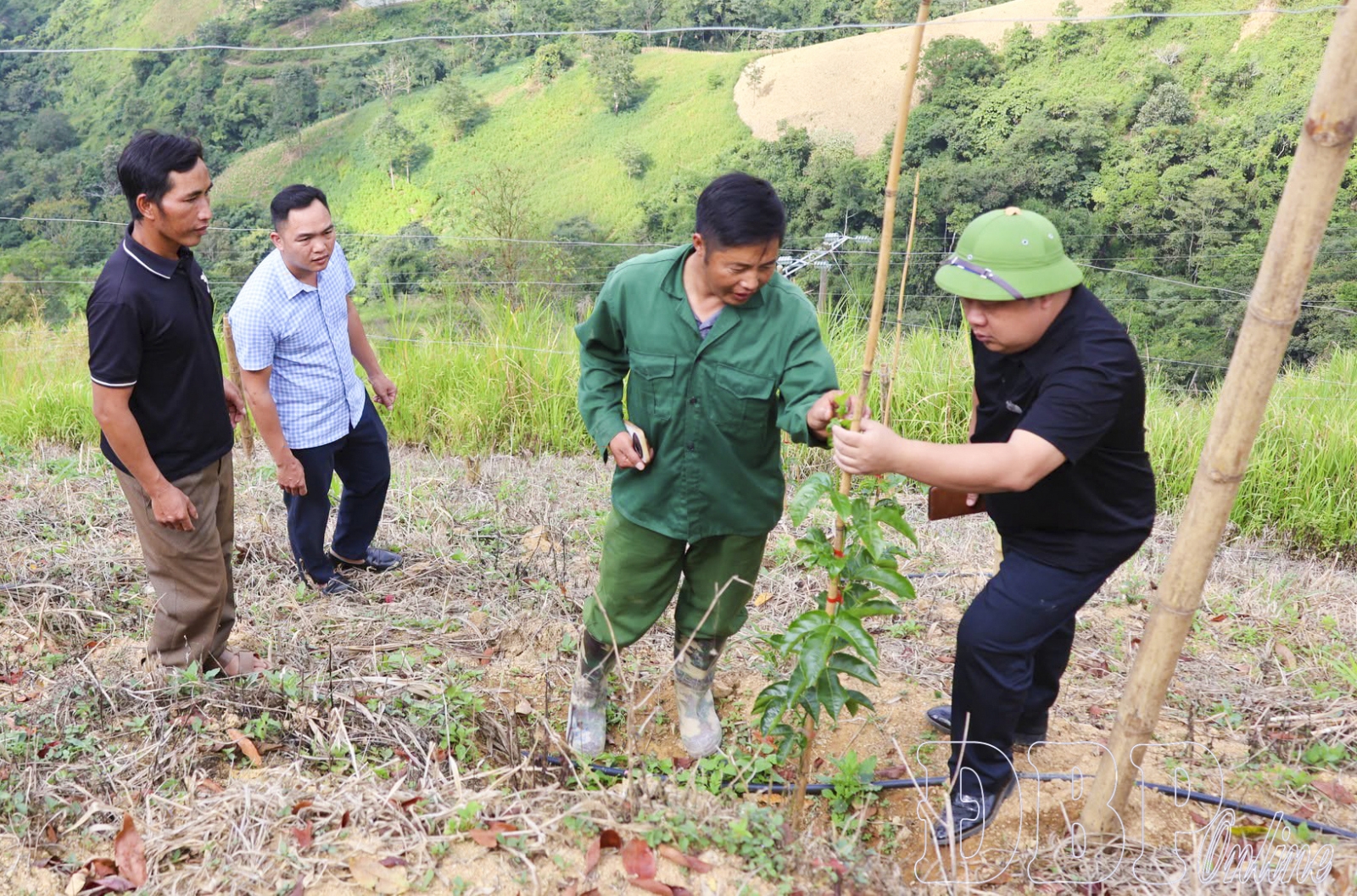
Trần Văn Dũng from On village, Thanh Yên commune, expressed his expectations: “We hope the model is deployed effectively, ensuring harvests, elevating product quality, and improving the People’s lives, especially by generating higher incomes compared to other types of vegetables.”
In 2026, the Agricultural Extension and Seed/Animal Breeding Center deployed 11 provincial-level extension models, encompassing 8 transitional models for coffee, golden pear, and passion fruit, and 3 new models.
Mai Văn Nam, Director of the Agricultural Extension and Seed/Animal Breeding Center, stated: “Through these models, we hope local administrations and citizens recognize the efficacy of switching to high-economic-value crops, thereby selecting suitable replication plans. The models not only generate economic efficiency but bear environmental and social significance, contributing to restructuring swidden crops and driving sustainable agricultural development.”
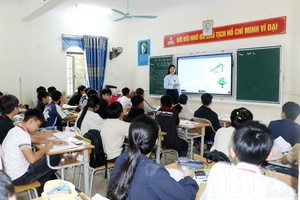
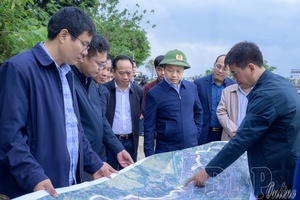
To elevate the efficiency of agricultural extension activities, on May 8, 2026, the provincial People’s Committee issued Decision No.949/QĐ-UBND approving the agricultural extension program for the 2026’2030 period, with total projected funding of approximately VND 60 billion from the provincial budget and counterpart funds from organizations and individuals. This resource serves to organize 75 fostering and training classes; communicate and replicate models; and build flagship industrial and fruit tree planting models. Concurrently, the province directed the commune level to prioritize allocating a minimum of VND 1.5 billion annually to deploy agricultural extension activities suited to the production conditions and demands of residents.
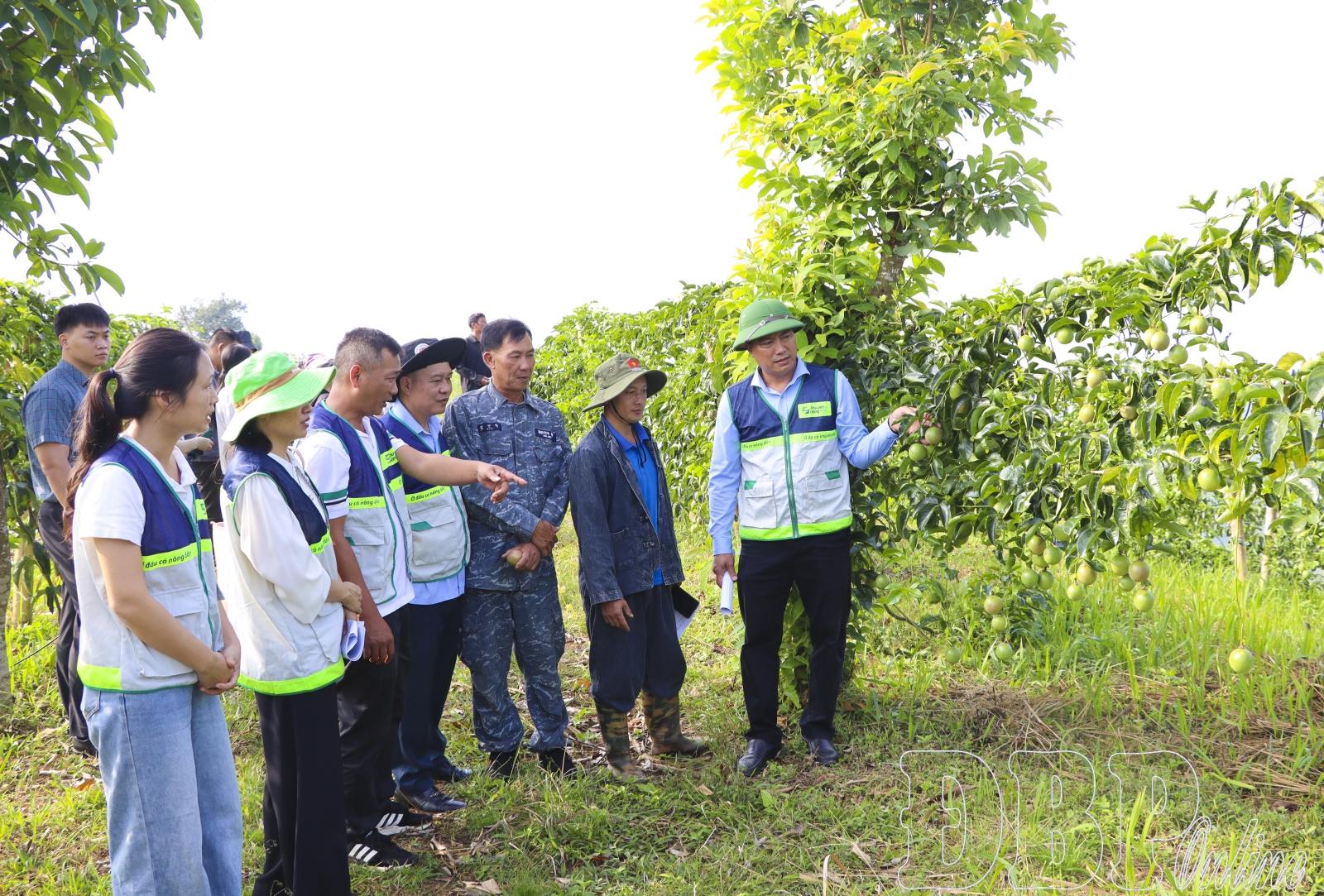
This is a vital resource contributing to realizing the targets set forth in Resolution No.11-NQ/TU dated December 31, 2025, by the Executive Board of the provincial Party Committee on restructuring the agricultural sector toward concentrated, green, smart, and sustainable commercial production for the 2026’2030 period, with an orientation toward 2035. The Resolution set a target that by 2030, the entire province will establish approximately 70,000ha of concentrated commercial production zones, comprising 40,000ha of macadamia, over 20,000ha of coffee, 3,000ha of fruit trees like pineapple and passion fruit, and 6,500ha of vegetables.
For the models to promote long-term efficacy, beyond technical transfers, crop selection must continue to align with production zone planning, ecological conditions, and market demands; emphasis must be placed on linkages among residents, cooperatives, and enterprises, building brands, and connecting product consumption. When models demonstrate efficiency, residents will gain added trust and motivation to restructure. This constitutes the foundation for agricultural extension to contribute to forming concentrated commercial production zones, elevating agricultural produce value, and propelling agricultural restructuring along sustainable lines.
Nhật Phương
You have 500/500 characters left
Please enter 5 or more characters!!!