



Amid impacts from social media, listening to, respecting, and accompanying children becomes all the more necessary so that the family always remains a fulcrum of love, helping children overcome negative emotions.
Recently, Nguyễn Thị Nhung in Điện Biên Phủ ward noticed many changes in her daughter as she entered puberty. Whereas previously her daughter used to stay close and tell her mother everything about school, those stories have gradually dwindled. Her daughter spends much time on her phone and shares fewer confidences. When reminded or when her wishes are not met, she starts reacting and occasionally argues back. These changes left Nhung worried. However, in the process of accompanying her child, she gradually realized that scolding and demanding obedience do not necessarily solve the problem. What matters more is understanding the thoughts and feelings behind her child’s reactions.
The entire province currently has over 214,500 children under 16 years old, living in families with varying conditions, circumstances, and upbringing methods. In modern life, children access technology and social media at an increasingly early age, developing their own thoughts and desires. While parents expect children to obey and grow according to their own experiences, children wish to be respected, listened to, and understood. Differences in thinking can create distance among family members. When failing to find empathy within the family, children may turn to social media to pour out their feelings.
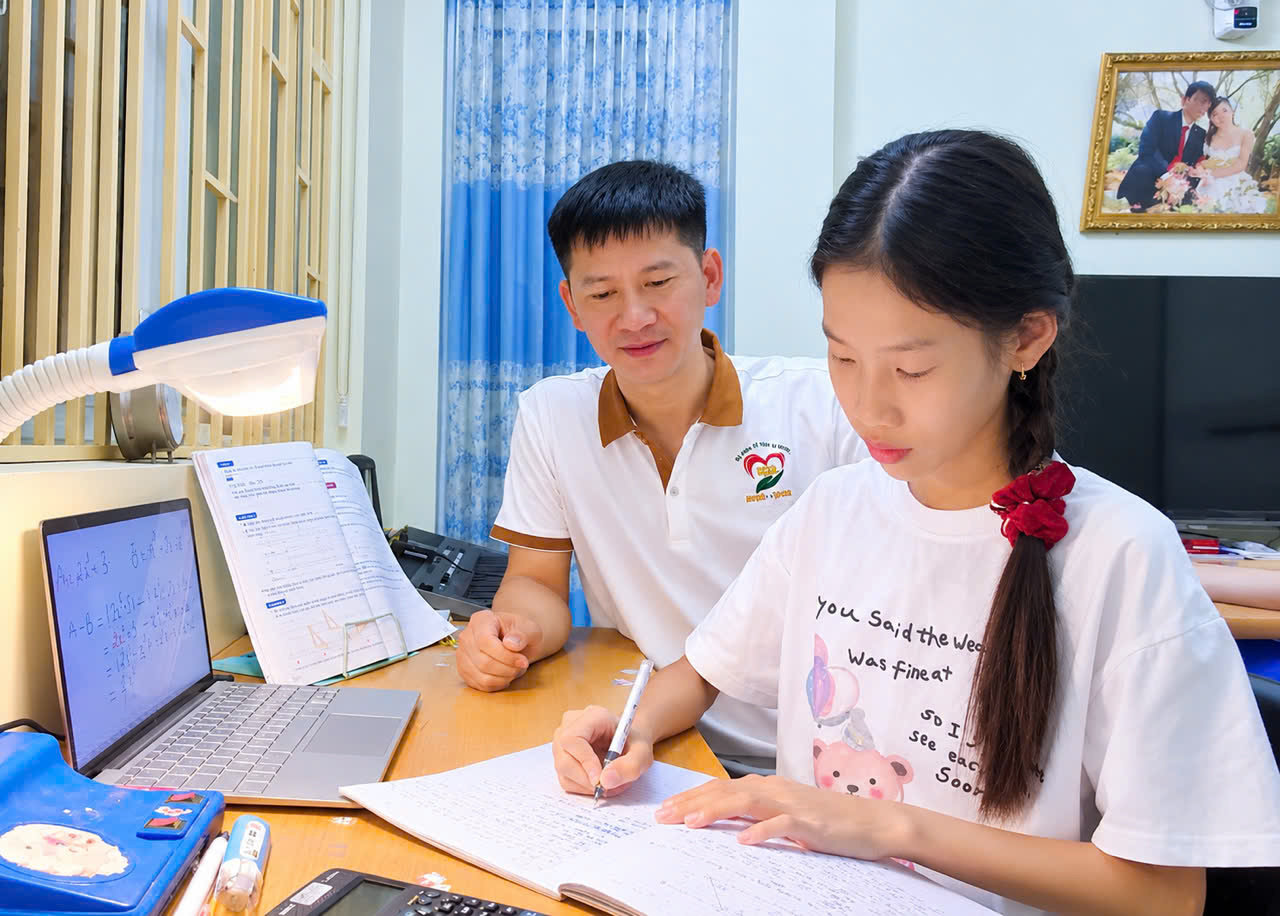
Nguyễn Thủy Tiên, an 11th-grade student in Điện Biên Phủ ward, said that while using social media, she once came across a group named “Children Hate Parents” with many posts sharing conflicts between children and parents. According to Tiên, each story has its own circumstances and thoughts. Those sentiments need to be listened to and shared rather than hastily judged. However, focusing solely on resentment and encouraging insulting remarks will only make conflicts harder to resolve. When disagreements arise, peers should calmly talk with their parents; if unable to resolve it themselves, they can seek support from teachers or trusted adults.
In fact, when taking time to browse social media, it is not difficult to encounter groups where young people share and vent dissatisfaction in relationships with their parents. Contents revolve around disagreements in studying, daily routines, phone usage, imposition, or feeling that their interests and aspirations are not respected. Behind such confidences lie sadness, disappointment, and the desire to be understood. Yet alongside shares deserving sympathy, numerous comments are extreme, even encouraging insults and defiance against parents, easily pulling young people into negative thinking and viewing family conflicts in a confrontational light rather than seeking ways to share and resolve them. Therefore, the family must truly become a fulcrum where children can turn when facing difficulties and voice their concerns without fear of scolding or judgment.
For Lê Duy Hưng and Chu Thị Hải Yến in Mường Thanh ward, care for their children is shown through daily actions. Despite busy schedules, the couple always tries to arrange time for the family. Reunion meals and conversations about school and daily life are maintained as a way to stay close and grasp their children’s thoughts. Over 16 years of building their home, they understand that caring for children does not stop at ensuring material conditions, but also involves attention and companionship as children grow up. “Care does not necessarily have to be shown through grand gestures; it starts with parents spending time asking, listening, understanding their thoughts, and respecting changes in their children’s thinking. When children feel love and trust in the family, they will have more motivation to share difficulties and obstacles instead of seeking empathy from unmoderated communities on social media,” Yến expressed.
Caring for, nurturing, and educating children are parents’ responsibilities, yet approaches must suit each stage of a child’s development. Besides ensuring material conditions, parents need to care for spiritual life and spend time talking and listening to their children’s thoughts and aspirations. Strictness in education must go hand in hand with understanding and respect, avoiding imposition or merely demanding children follow adults’ wishes.
According to Pờ Diệu Ninh, Chairwoman of the provincial Women’s Union, building a prosperous, progressive, happy, and civilized family requires each member to care, share, and bear responsibility. Parents need to focus on educating morality, lifestyle, and behavioral skills, while grasping thoughts and promptly guiding children amid shifts in thinking and impacts from the online environment. More importantly, families need to build trust and respect so children can comfortably express their concerns, with parents knowing how to listen and accompany rather than impose. When the family truly serves as a fulcrum, disagreements will have opportunities to be resolved, helping children stand firmer against negative external impacts.
Minh Thảo















You have 500/500 characters left
Please enter 5 or more characters!!!