



Rice and cassava khẩu xén crackers and chí chọp are specialties that have been part of White Thái life in Mường Lay ward for generations. They were once sold mainly locally and were little known elsewhere. Seeing potential in these traditional foods, Lò Chúc Chi of Quan Chiêng village turned to social media and e-commerce platforms to promote them and reach buyers nationwide.
Chi started with a small household business and gradually teamed up with other households to form a cooperative and increase production and sales. It now sells about 20 metric tons a year, 70% through digital platforms. Chi said consumers increasingly favored clean, environmentally friendly products with traditional flavors. The cooperative makes videos showing each step in making khẩu xén and chí chọp so buyers can see how the foods are made and feel confident about quality and food safety, both priorities for the producers, she said.
At 23, Sùng Thị Bầu of Na Son commune took her farm-products business online and quickly established a name for herself. Through TikTok Shop, she sells highland staples such as dried bamboo shoots, chẩm chéo seasoning, wood ear mushrooms and canna noodles to customers nationwide. In just over two years of selling online, she sold more than 2,000 metric tons of canna noodles alone. At a 2026 event organized by the Department of Industry and Trade to connect Điện Biên’s OCOP producers, businesses, cooperatives and specialty producers with Central Retail Việt Nam’s distribution network, her household business was among six the group planned to follow up with, assess and explore distribution options for. Bầu said e-commerce had opened up opportunities for highland products to reach buyers across the country. She hoped more residents would learn to use digital platforms to find buyers for their produce, earn more and improve their living standards.
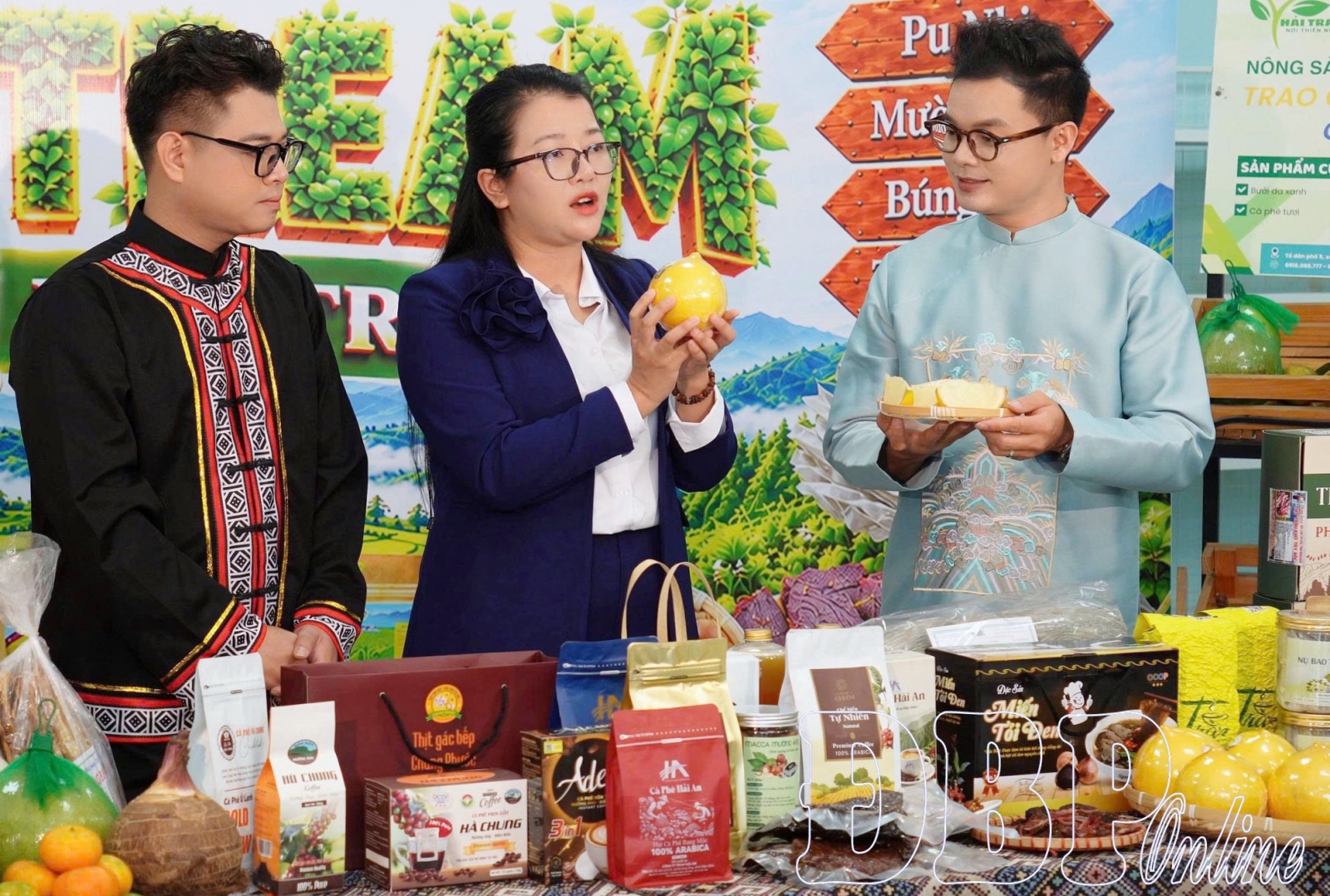
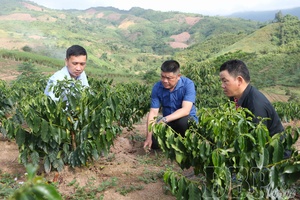
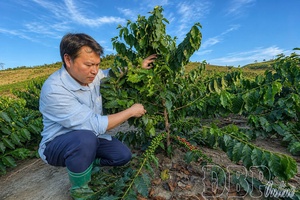
Household businesses and cooperatives are also seeking buyers online, with local authorities helping promote products and connect producers with markets. The effort focuses on One Commune One Product (OCOP) items such as Điện Biên rice, Tủa Chùa tea, Mường Ảng coffee, forest honey and medicinal herbs. During the 2026 Mường Ảng Coffee Festival, a sales livestream brought together online influencers, consumer reviewers and representatives from eight communes: Mường Ảng, Nà Tấu, Pu Nhi, Búng Lao, Thanh Nưa, Mường Pồn, Mường Phăng and Mường Lạn. The program showcased 24 featured OCOP products live on social media. Commune leaders joined the livestream to explain where the products came from, how they were made and what distinguished each area.
Mường Ảng commune People’s Committee Chairwoman Hà Thị Thanh Tâm said the program was intended to introduce local specialties to more consumers and encourage purchases. It gave household businesses and cooperatives a chance to reach shoppers, try new ways of presenting their products, open new sales channels and sell more effectively, she said.
Across Điện Biên, seven businesses, more than 40 cooperatives and cooperative groups, and 40 production establishments promote their products on digital platforms and sales websites. Nearly 500 products are listed on e-commerce platforms. The Department of Industry and Trade has helped producers make better use of those channels with training in e-commerce, digital marketing, branding, artificial intelligence (AI), promotional content and live selling. More than 200 participants joined the training in 2026, including managers and representatives of businesses, cooperatives, household businesses and OCOP producers.
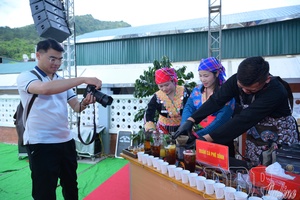
The department has also let businesses, cooperatives and household sellers try these sales methods at a cashless market. Nineteen businesses, cooperatives, household sellers and OCOP producers ran 30 stalls, displaying goods while accepting digital payments and selling online. Two livestreams during the event brought in more than VND 225 million in revenue, with views peaking at 3,500 and nearly 100,000 interactions.
Department of Industry and Trade Deputy Director Lường Tuấn Anh said the province aims for 70% of businesses to adopt e-commerce in 2026-2030 and for online retail sales to grow by at least 20% a year. The department will continue working with other agencies to build e-commerce skills among businesses, cooperatives, household sellers and OCOP producers, with hands-on training in digital content, promotional design and live selling. It will also connect more products with online marketplaces, sales platforms and distribution networks and help producers improve product information and images to meet evolving market expectations.
Quang Long









You have 500/500 characters left
Please enter 5 or more characters!!!