



In March 2026, the fanpage “Checkin Điện Biên,” with 55,000 followers, posted an 8-second video generated by artificial intelligence (AI), staging a scenario of a “little boy being taken away by a stranger.” Featuring realistic imagery and content that tapped into public anxiety and the community’s concern for child safety, the video swiftly grabbed attention on social media. When the post garnered massive interactions, the subject edited the content to post information about children or citizens facing exceptionally difficult circumstances, altered images, and changed the account name to call for charitable donations.
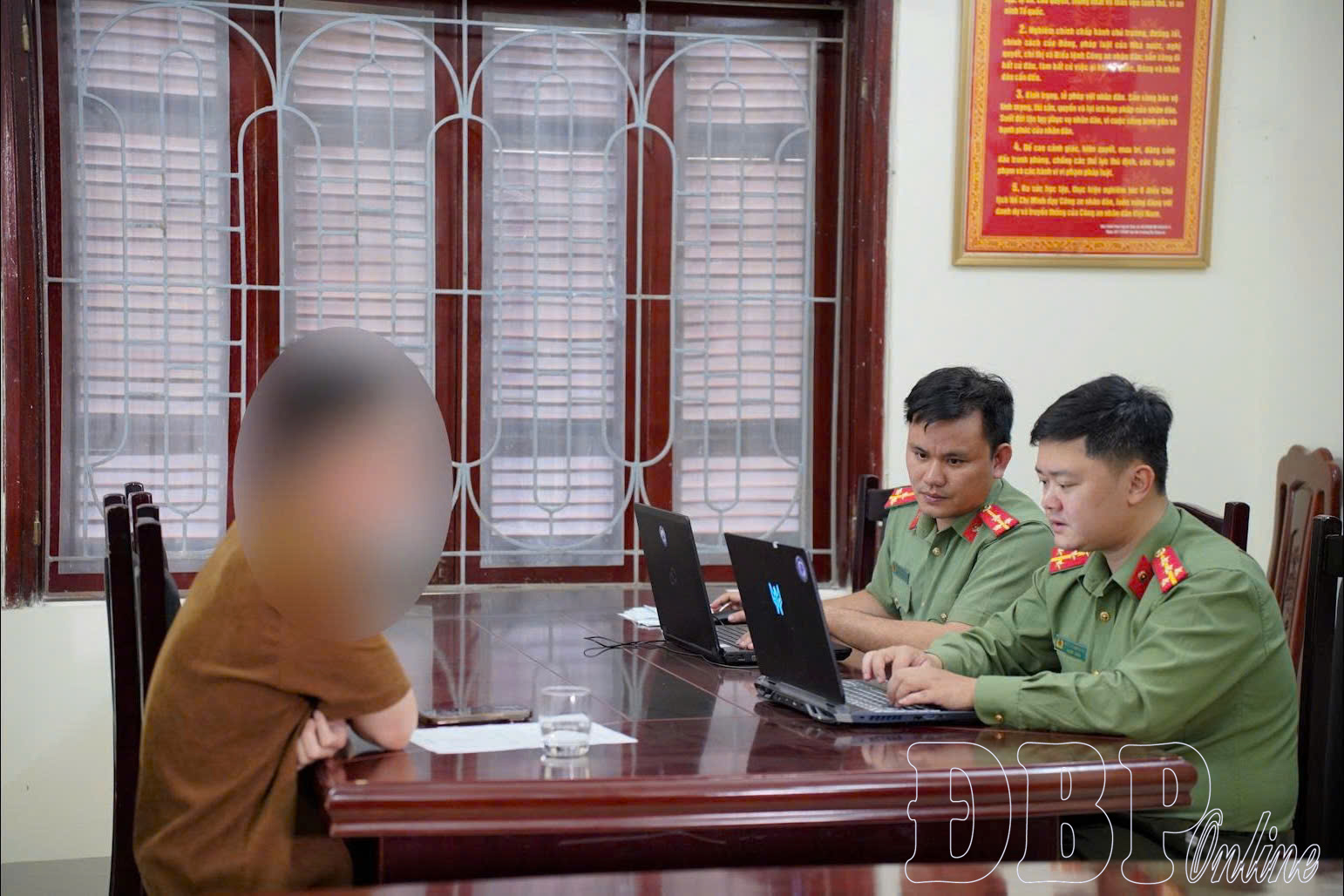
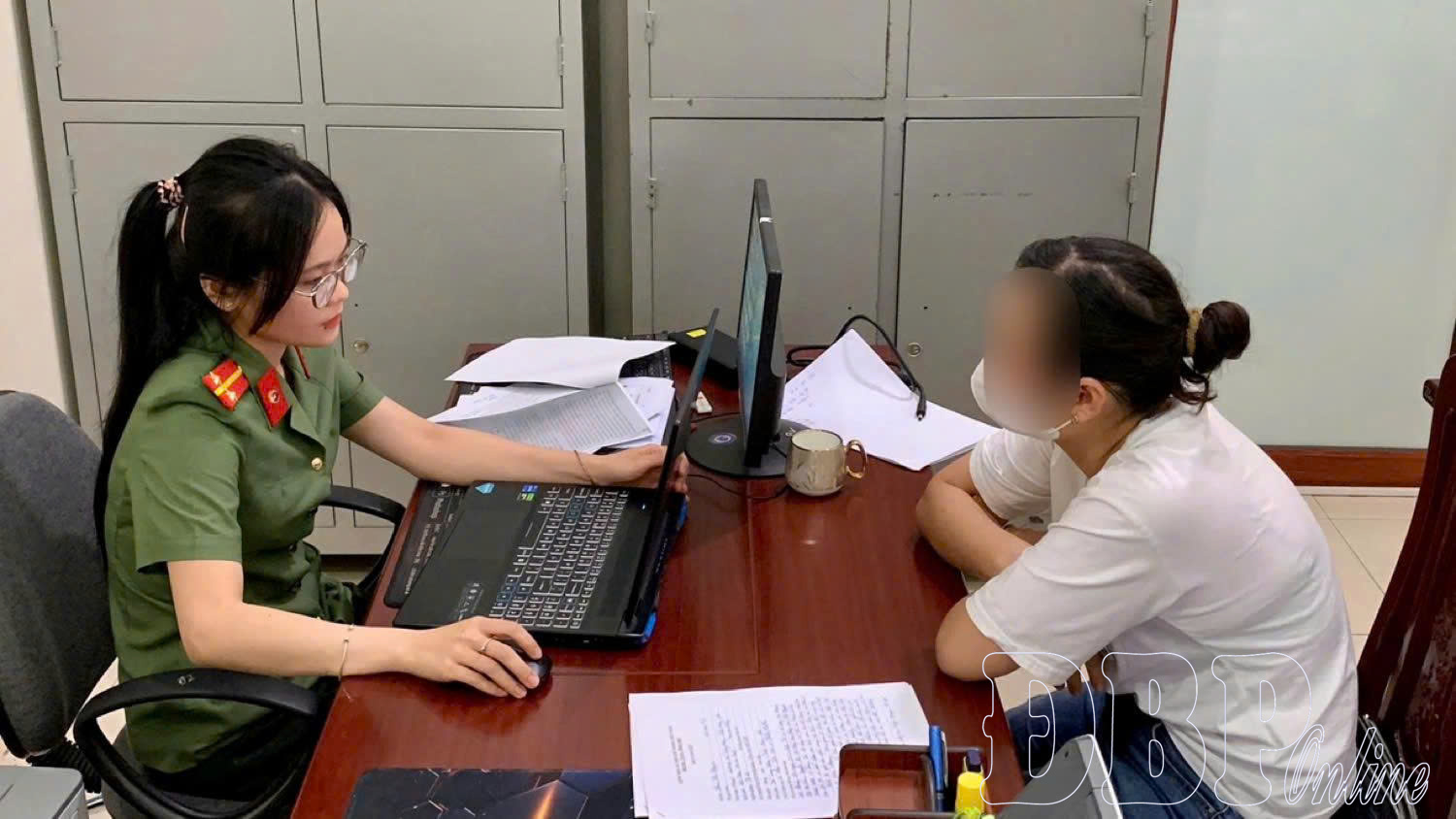
Through verification, the police agency determined that the video content posted on the “Checkin Điện Biên” fanpage depicting a “little boy being taken away by a stranger” was fabricated and untrue. The fanpage administrator also confirmed being the one who directly posted the content and admitted to the violation. On March 27, 2026, the police agency issued an administrative sanction decision against the administrator of the “Checkin Điện Biên” fanpage for the act of providing and sharing fake and false information on social media.
With the capacity to generate highly realistic images and videos, technology platforms and AI expand content creation opportunities, yet they can also be exploited to fabricate fake information, manipulate viewers’ psychology, trigger community panic, or serve profiteering motives. According to statistics from the Cybersecurity and High-Tech Crime Prevention Division of the provincial Police, from early 2026 to date, the unit has administratively sanctioned over 20 cases and educated, communicated to, and deterred over 140 cases involving violations in cyberspace.
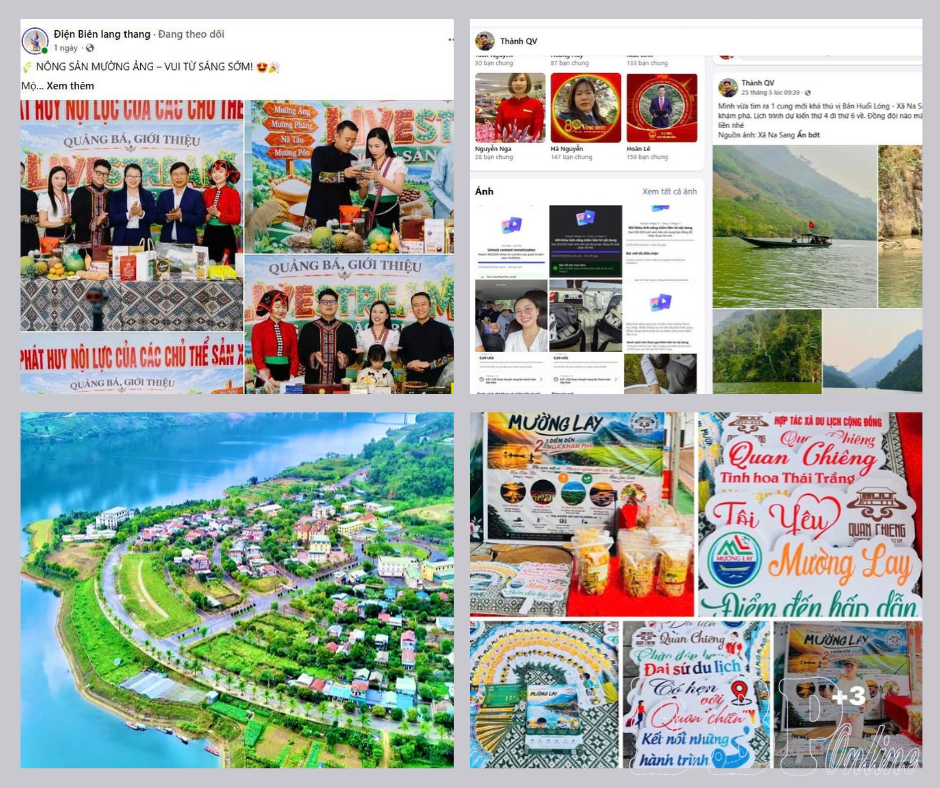
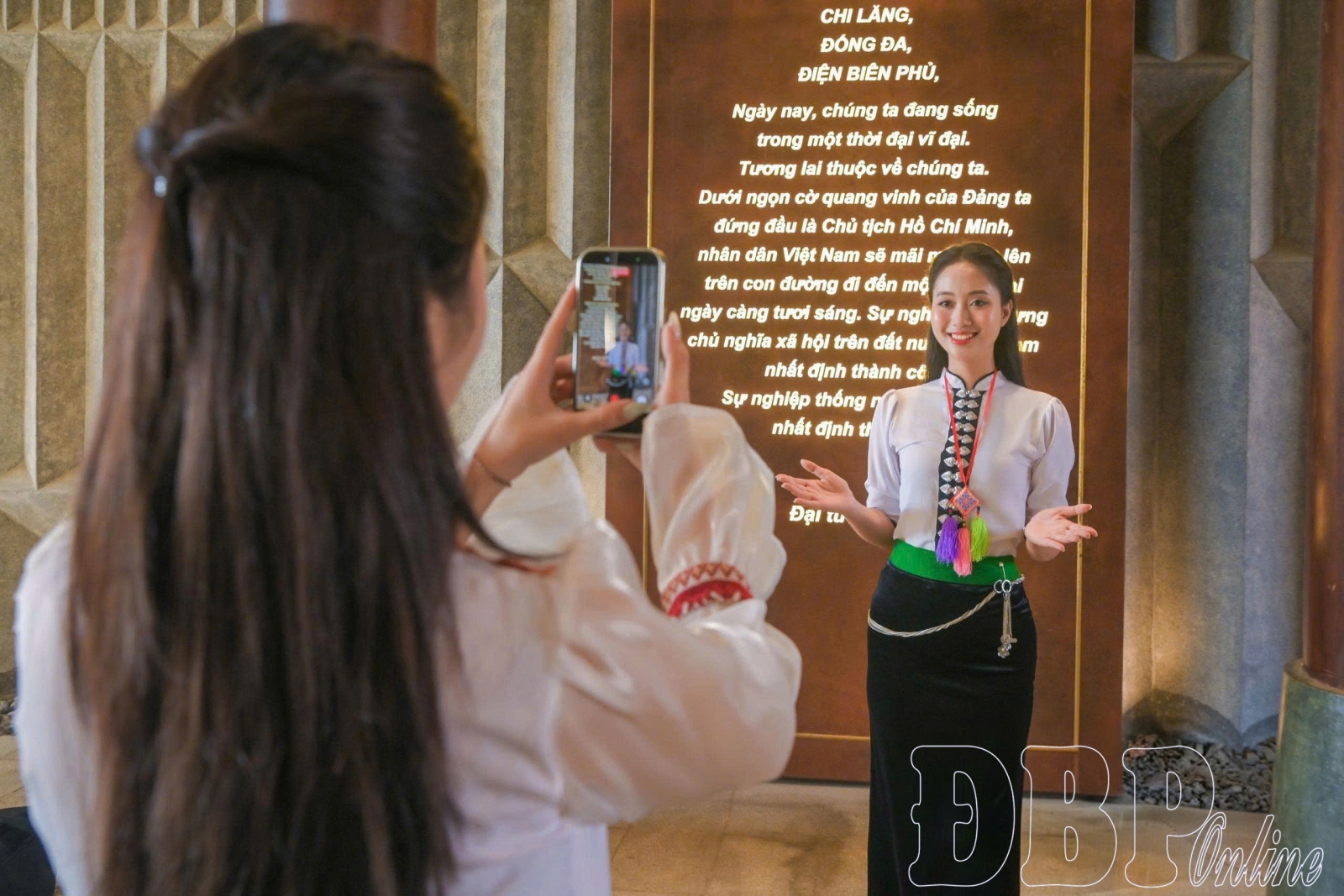
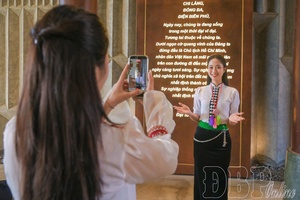
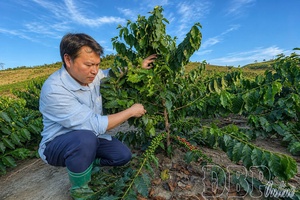
Digital technology is unlocking numerous avenues for individuals to express their creativity, share perspectives, and connect with the community. A short video of a beautiful homeland landscape, a story about an ethnic custom, or images of daily life can capture the attention of thousands, even millions of people. This development enriches informational life, creating added opportunities to promote local images and spread fine cultural values. Yet, behind every posted product lies the responsibility of its creator - from selecting information and verifying sources to the presentation method and content orientation.
Quàng Văn Thành, owner of the Facebook page “Thành QV” with over 54,000 followers, shared: Digital content creators must bear responsibility for the information delivered to the public; the larger the viewership, the higher the responsibility. Appeal is not diametrically opposed to accuracy; it requires creators to find ways to tell relatable, engaging stories without distorting information. A video might attract numerous views, but if the historical or cultural information is inaccurate, the creator has unwittingly transmitted flawed perceptions.

Grasping modern media trends, recently, an increasing number of individuals have participated in content creation across digital platforms. According to statistics from functional agencies, Điện Biên currently has 25 KOLs, KOCs, and administrators of influential social media pages/groups, alongside nearly 150 online associations and groups. To promote this force’s role in spreading positive information and building a healthy cyberspace, in late June 2026, the Điện Biên provincial Police established and launched the Điện Biên Province Digital Trust Club, gathering nearly 40 KOLs, KOCs, page/group administrators, and influential individuals in cyberspace. The Club was established to create a bridge between police forces and the content creation community, promoting each member’s role in communicating the Party’s guidelines and the State’s policies and laws. Since its inception, Club members have posted and shared hundreds of articles, images, and videos on social media platforms, spreading official information and beautiful stories about the land and people of Điện Biên.
Nguyễn Sỹ Trọng, from the “Điện Biên Có Gì” fanpage and a member of the Digital Trust Club, shared: Joining the Club provides us with added opportunities to exchange, learn, and share experiences with fellow social media content creators. Through this, everyone is more acutely aware of their responsibility regarding the information posted and shared with the community. I always determine that content must ensure accuracy, be selective, and aim for positivity; concurrently leveraging the viral power of social media to introduce the beautiful landscapes, culture, and people of Điện Biên to a vast audience.
Realities show that in an environment where every share can cause information to spread further, the creator’s responsibility must be manifested right from the stages of selecting topics and gathering materials to editing and posting. Verifying sources, respecting copyright and privacy, refraining from posting false information, and not exploiting cultural or customary differences to create clickbait content are requirements every individual must voluntarily uphold. Upon detecting erroneous content, the poster must proactively issue corrections and remove inaccurate information, preventing misunderstandings from spreading further.
Coupled with the creators’ consciousness, building a healthy digital environment requires the participation of management agencies, organizations, the community, and the social media users themselves. Everyone must cultivate the habit of receiving information selectively, checking sources before sharing, and refusing to aid the spread of unverified content. The community’s attention and feedback also contribute to encouraging valuable products while curbing negative content.
Quang Long












You have 500/500 characters left
Please enter 5 or more characters!!!