



After reorganizing villages and hamlets, communes held elections for the 2026-2031 term to give residents a say in choosing trusted, responsible leaders who can bring communities together.
The reorganization took effect on July 1, 2026, cutting the number of villages and hamlets across the province by 558, from 1,446 to 888. Of those, 818 are in ethnic minority areas and 632 face exceptional hardship. After the mergers, many heads were appointed temporarily or took on the role alongside other duties to keep local operations running. Holding elections for the new term became urgent so communities could choose trusted, capable leaders who could manage their areas and carry out local work.
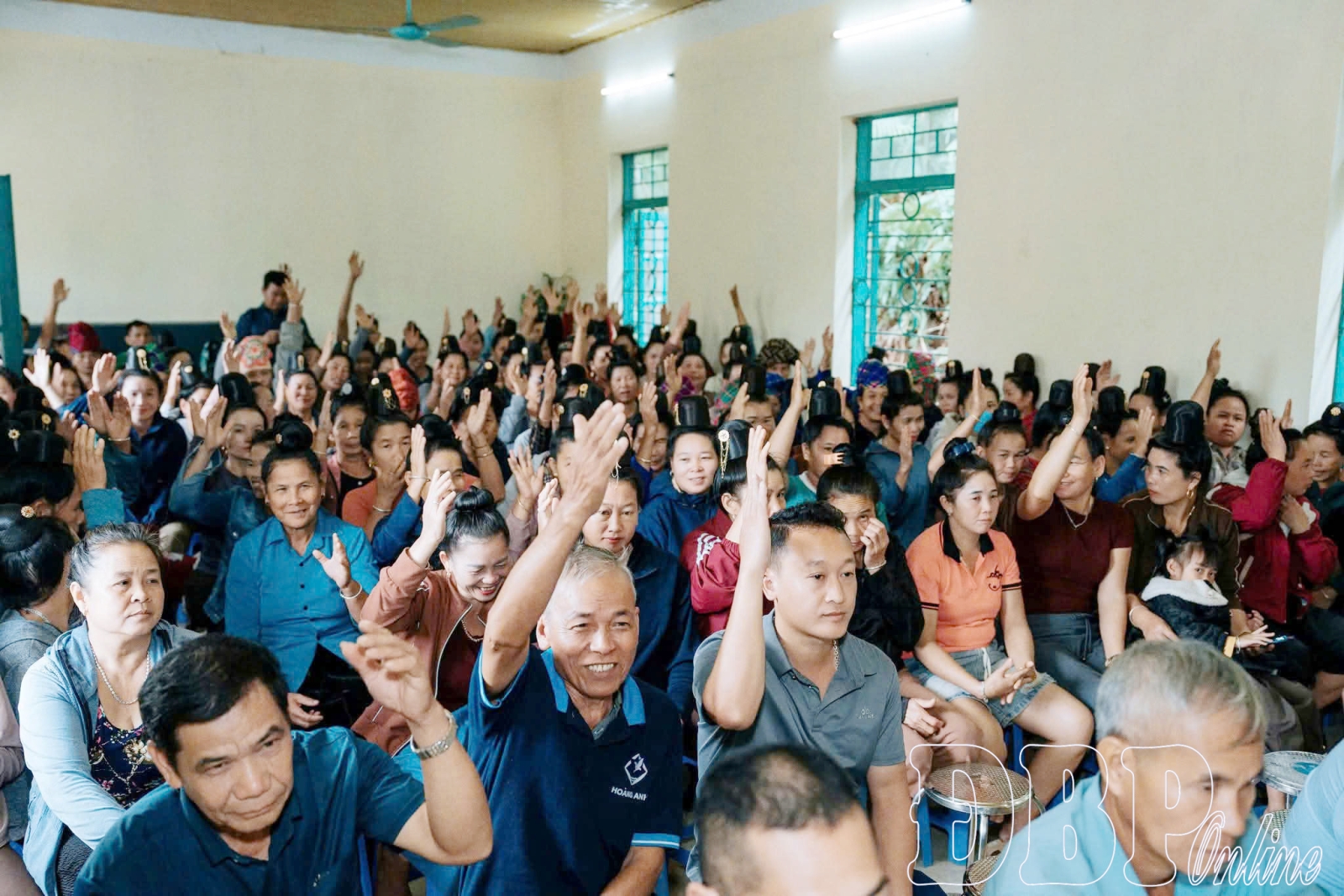
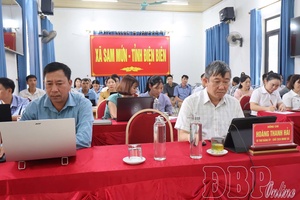
On November 8, residents in all 28 villages and hamlets in Tuần Giáo commune voted for their heads for the 2026-2031 term. The commune People’s Committee worked with the commune Committee of the Việt Nam Fatherland Front and other organizations to prepare and explain the purpose of the elections and residents’ responsibilities in choosing community leaders. All 28 villages and hamlets completed voting that day, meeting the schedule and requirements.
Tuần Giáo commune People’s Committee Chairman Quàng Văn Cương said choosing village heads mattered because they work directly with residents, listen to their concerns and promptly bring local issues to Party committees and authorities. They also explain Party guidelines and state policies and laws and encourage residents to help resolve community issues and carry out local economic and social development work.
Si Pa Phìn commune has 12 villages, eight of which were newly formed after mergers and needed to elect heads. The commune saw the elections as important to the work of local Party and government bodies and held them for the 2026-2031 term. All eight newly formed villages successfully elected their heads at meetings on November 1, with residents’ support.
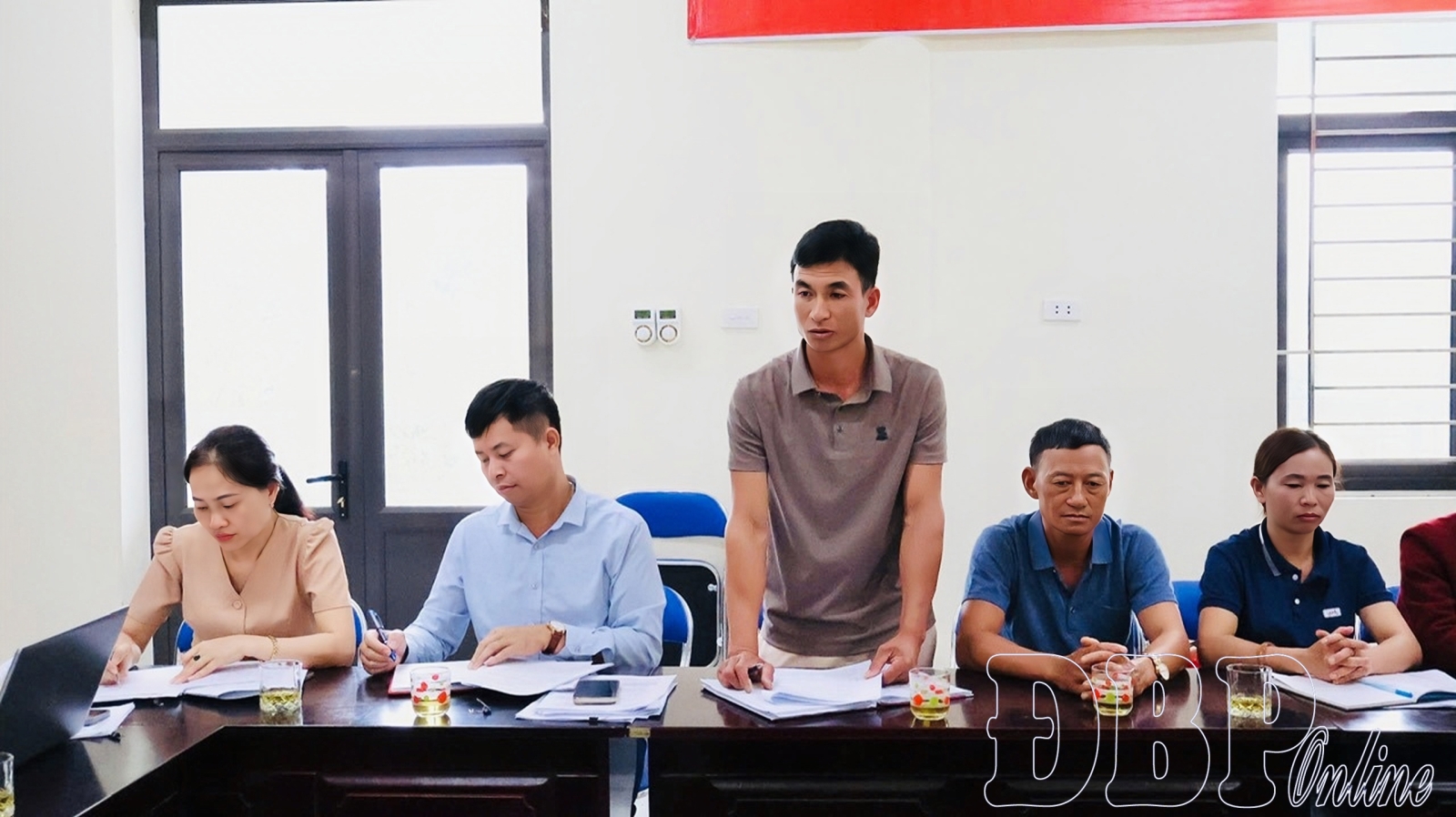
Chăn Nuôi village Head Khoàng Văn Thiệm said residents face exceptional hardship, lack basic resources and have difficulty traveling and getting information. After taking office, he said he would spend time in the village, stay close to residents and keep abreast of local conditions so he could resolve problems promptly or report them to higher authorities. He would work with the Party committee and local authorities to bring residents together, develop the economy, maintain public order and build community cultural life.
Si Pa Phìn commune People’s Committee Vice Chairman Lò Văn Long said the commune would continue to guide and support village heads so they could carry out their roles, keep track of local conditions, report problems promptly and work with others to resolve them.
Elections for the 2026-2031 term are now complete across the province, making it easier to organize local administration and mobilize resources for economic and social development. The elections are a first step. The mergers created larger communities and expanded the areas village heads oversee. They also changed the makeup of communities and how residents live, leaving more work to settle. Organizing gatherings, agreeing on community rules, running local campaigns and encouraging residents to help build new-style rural areas, maintain public order and keep public spaces clean all require coordination and capable leadership.
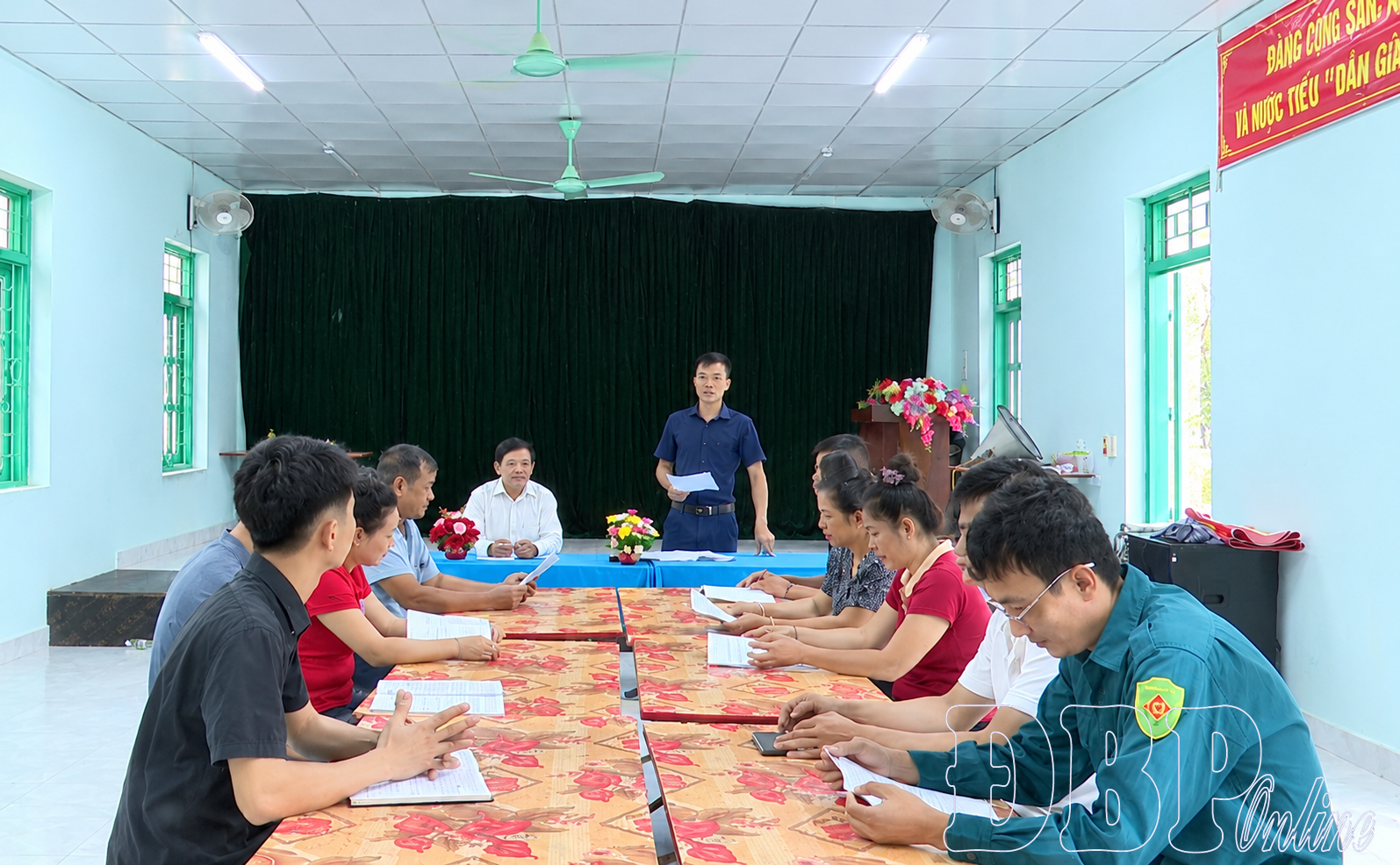
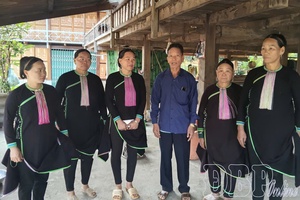
Phủ village, Thanh An commune, has 189 households and nearly 800 residents. Most rely on farming. Education levels vary, some workers are underemployed and some households remain poor or near-poor. Alongside economic development, the village has to maintain public order, raise awareness of environmental protection, encourage civic-minded habits and keep households united. Given the size of the community, the village head needs to understand how different groups of households are doing and work closely with the Party cell, the Fatherland Front Working Committee and local associations.
Phủ village Head Bạc Cầm Ún said the merger increased the number of households and the workload, while residents continued to differ in economic circumstances and awareness of local issues. He said he needed to coordinate regularly with local groups and stay in touch with each household to encourage residents to work together, help one another earn a living, build new-style rural areas, keep the village clean and maintain public order. In 2026, residents contributed cash, materials and labor worth more than VND 100 million to rural development. An 11-member community sanitation team continues to operate regularly.
Since the mergers, village heads have faced heavier workloads and greater management demands. In addition to earning residents’ trust and taking responsibility, they need to know how to engage the public, coordinate with others and resolve problems. Local governments should continue to provide guidance, share information and give heads the support they need to do their jobs. With residents’ trust and appropriate support, village heads can bring communities together, strengthen local unity, maintain stability and help carry out economic and social development work.
Thu Phương




You have 500/500 characters left
Please enter 5 or more characters!!!