



Under Decree No.381/2026/NĐ-CP, eligible beneficiaries are cadres and civil servants working within organs of the Party, the State, the Việt Nam Fatherland Front, and socio-political organizations under the Việt Nam Fatherland Front in communes, wards, and special administrative zones (collectively termed commune-level cadres and civil servants). This preferential policy is prioritized by the central government for the commune tier, stemming from the practical imperatives of the two-tier local governance model, wherein the commune level directly implements tasks, resolves administrative procedures, and serves the people.
In Điện Biên province, commune-level cadres and civil servants eligible for the 55% public duty allowance - calculated based on their current salary plus leadership position allowances and seniority allowances exceeding the ceiling (if any) - number an estimated 1,590 personnel. No groups of commune-level cadres and civil servants fall under the 25% allowance bracket pursuant to Decree No.381/2026/NĐ-CP.
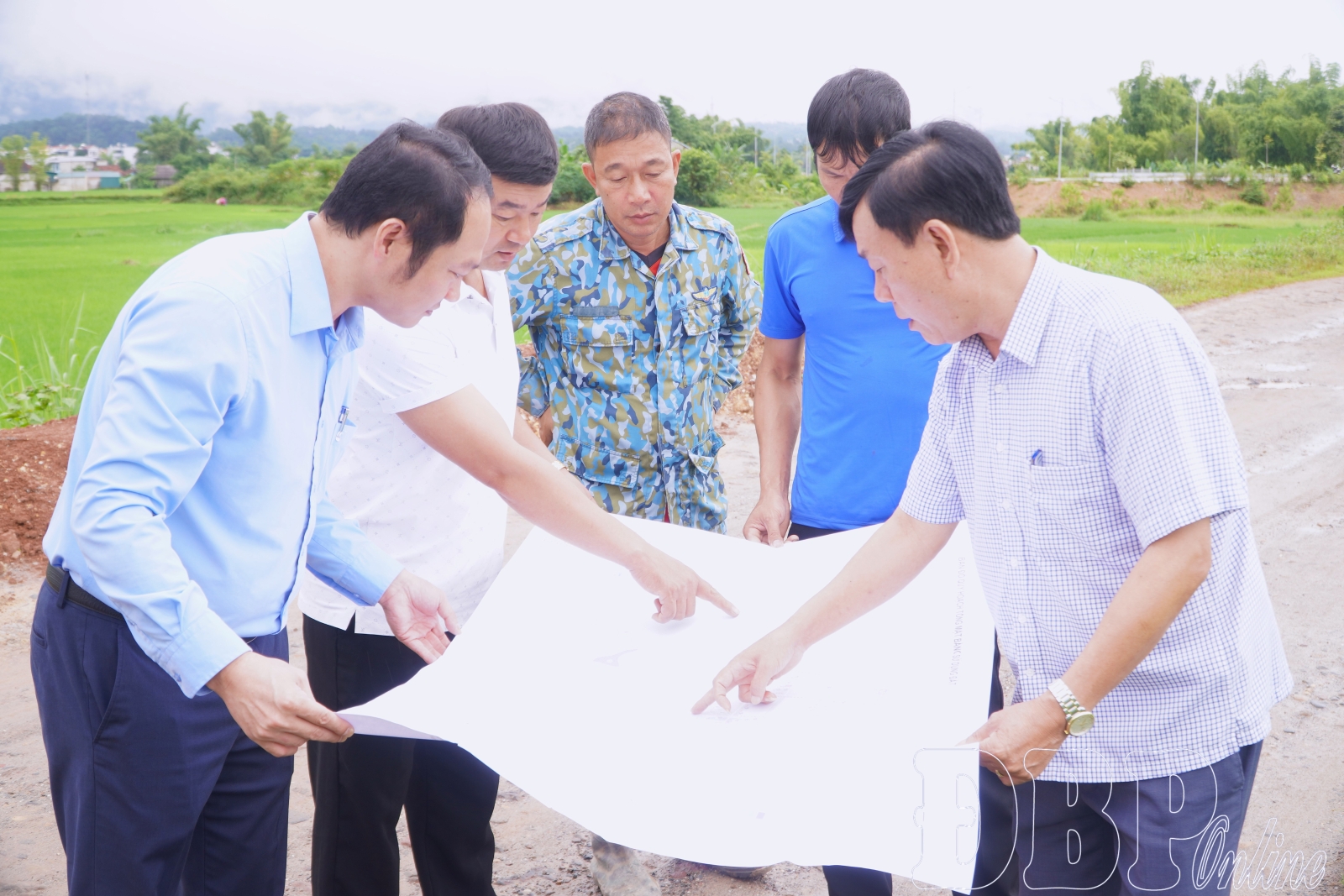
For Điện Biên province, this guideline bears practical significance, helping resolve hardships, improve living standards, and provide peace of mind for grassroots cadres and civil servants. Given the province’s expansive geographic span, difficult transportation, and numerous border, remote, and isolated communes managing heavier workloads under the two-tier governance model, the new policy serves as a vital lever to attract and retain high-quality human resources, elevating responsibility and public service efficiency.
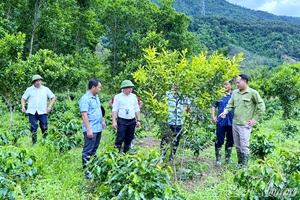
Particularly in a locality frequently impacted by natural disasters like Điện Biên, the work pressure on specialized cadres dispatched to the grassroots is even heavier. During each rainy and flood season, staying close to local areas, proactively executing disaster prevention, assessing damage, and assisting residents in recovery require dedicated initiative and direct engagement by cadres and civil servants in vulnerable zones.
Quàng Văn Thịnh, a civil servant at the Economic Office of Mường Lạn commune, shared: “The hallmark of Mường Lạn is steep terrain with many areas carrying a high risk of landslides, so we cannot wait for incidents to occur before arriving. During the stormy season, proactively visiting each village to review vulnerable spots and inspect high-risk residential clusters to provide timely advice on response plans and guide villagers in disaster avoidance is critical. Navigating steep, slippery roads is arduous, but conducting thorough early reviews is the only way to safeguard the lives and property of the People.”
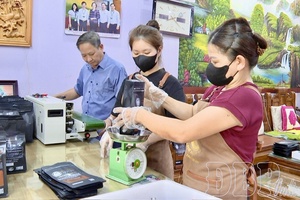
Under the two-tier local governance model, a wide range of administrative procedures formerly under district-level jurisdiction has been devolved directly to the commune tier. In a mountainous, frontier province like Điện Biên, this initiative saves travel time and expenses for citizens, while imposing higher professional standards on grassroots cadres. To handle the new volume of work, commune-level civil servants have actively trained to master specialized software and online processing workflows.
Lê Thị Lụa, a civil servant at the Public Administrative Service Center of Mường Thanh ward, shared: “Mường Thanh ward receives a substantial dossier volume, averaging over 600 applications per month, while many villagers from outlying villages are not yet accustomed to online public service platforms. To ensure on-time processing while providing dedicated assistance to citizens, we routinely work overtime. Receiving this public duty allowance provides immense encouragement, helping staff feel more secure in their posts and strive harder to serve the people better.”
The Government’s Decree No.381/2026/NĐ-CP dated October 2, 2026, on public duty allowances for commune-level cadres and civil servants, not only serves as well-deserved recognition for the quiet contributions of commune staff, but reflects the profound and timely care of the Party and the State for the grassroots administrative apparatus.
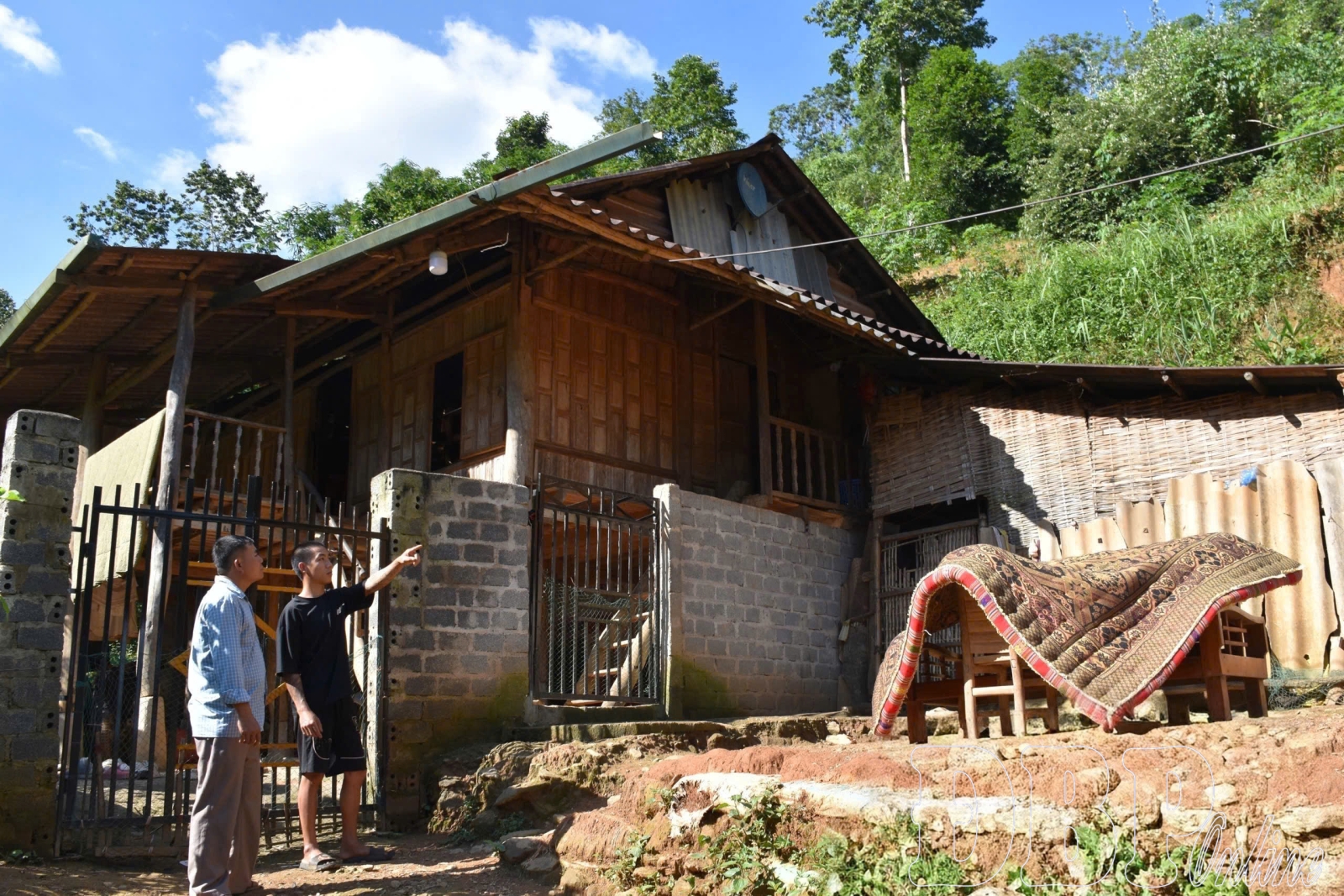
In challenging localities like Điện Biên, this policy provides direct economic support, giving cadres and civil servants peace of mind to dedicate themselves and remain committed to their assigned areas. This joy extends beyond financial compensation; more importantly, it delivers timely morale support, motivating specialized civil servants to heighten their sense of responsibility, consolidate trust, and fulfill their duties serving the people.
According to Phạm Văn Tuân, Head of the Socio-Cultural Office of Sam Mứn commune: “The commune’s Socio-Cultural Office currently has 6 civil servants managing a substantial workload, encompassing cultural affairs, family, sports, tourism, ethnic and religious policies, science and technology, digital transformation, and directly advising on social welfare, healthcare, and education across the locality. For a border commune like Sam Mứn, the public duty allowance policy offers direct economic assistance while injecting motivation for civil servants to work with peace of mind and accomplish assigned tasks.”
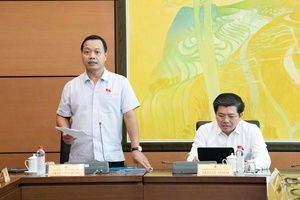
Lê Đình Tuyên, Deputy Director of the provincial Department of Home Affairs, stated: “The Department of Home Affairs has guided localities in reviewing and accurately determining non-eligible periods for public duty allowances in accordance with statutory regulations, ensuring beneficiary rosters and allowance disbursements are executed strictly for the right subjects and entitlements. Concurrently, we established exchange and support channels via telephone and Zalo groups to provide timely guidance to localities during implementation, especially for remote, isolated, and border communes.”
Building a steadfast civil service contingent in frontier territories is pivotal to ensuring administrative efficacy and consolidating public trust, thereby developing high-quality human resources and establishing a governance apparatus that stays close to the people and serves them effectively.
Minh Anh






You have 500/500 characters left
Please enter 5 or more characters!!!