



Improving the quality of raw material areas
Currently, Điện Biên province has 21,859.24 ha of coffee, of which the productive area is about 6,052.18 ha, with green coffee bean output estimated at 8,500 tons. The increasingly expanding scale of the raw material area creates great room for the development of the coffee commodity sector, while setting higher requirements for tree garden quality management, production organization, and the ability to meet market standards.
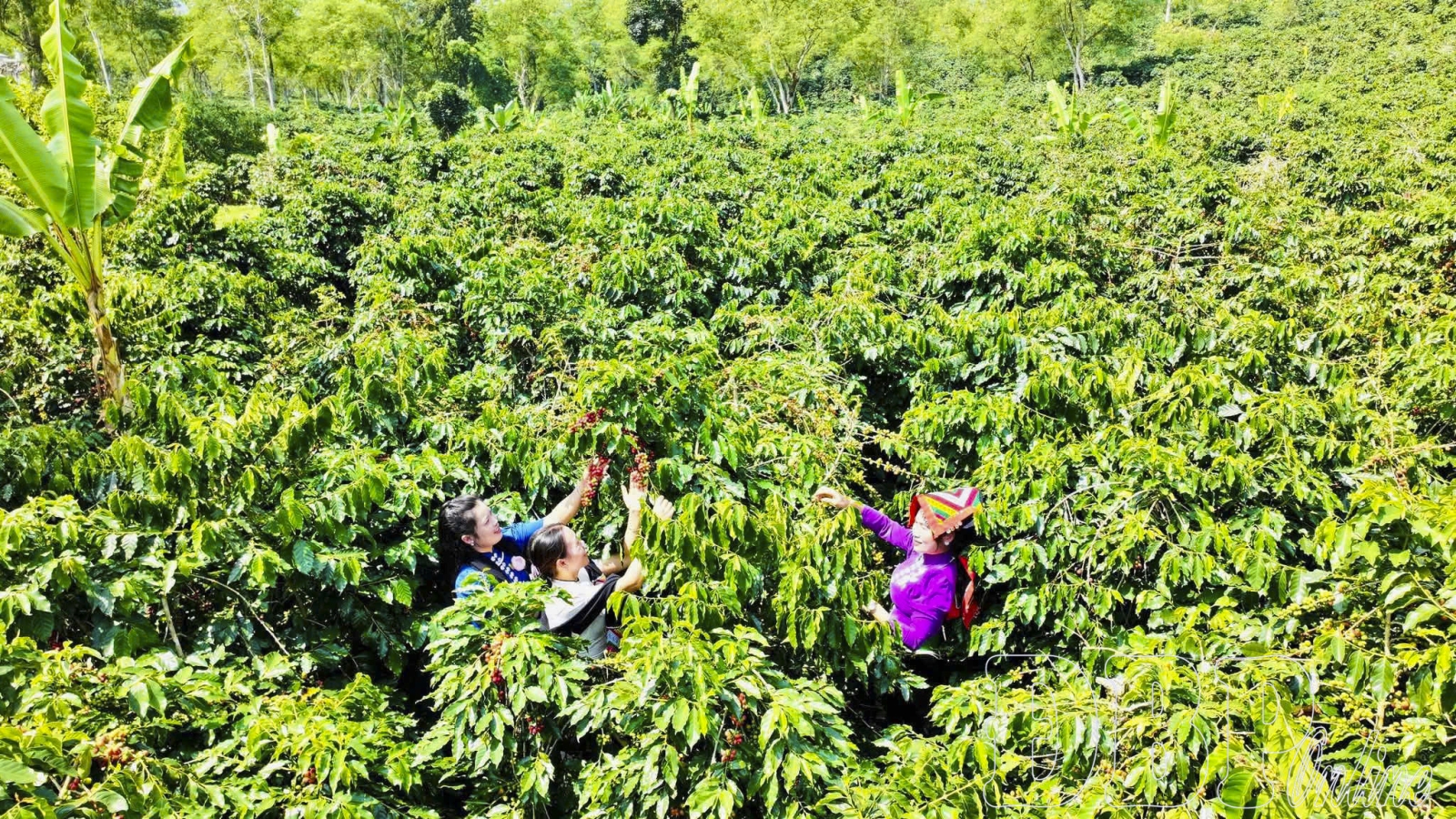
Điện Biên mainly grows Arabica catimor coffee, in which the Catimor F6 variety accounts for a large proportion, with the remainder being TN1, TN2, and THA1 varieties. In order to proactively secure quality propagation sources, the Department of Agriculture and Environment has recognized 1,497 elite Catimor coffee trees and 5 elite tree gardens with a total area of 11.489 ha, comprising 40,200 trees. This is an important basis serving new planting, improvement, and replanting, gradually enhancing the quality of raw material areas.
Assessing the potential for coffee development in Điện Biên, Head of the Industrial Crops Department at the Western Highlands Agriculture and Forestry Science Institute Đinh Thị Tiếu Oanh said: “Điện Biên has advantages in geographical conditions, soil, and climate to develop high-quality coffee and specialty coffee, establishing its own brand. However, to effectively exploit this potential, it is necessary to continue improving seed quality and enhancing product quality.”
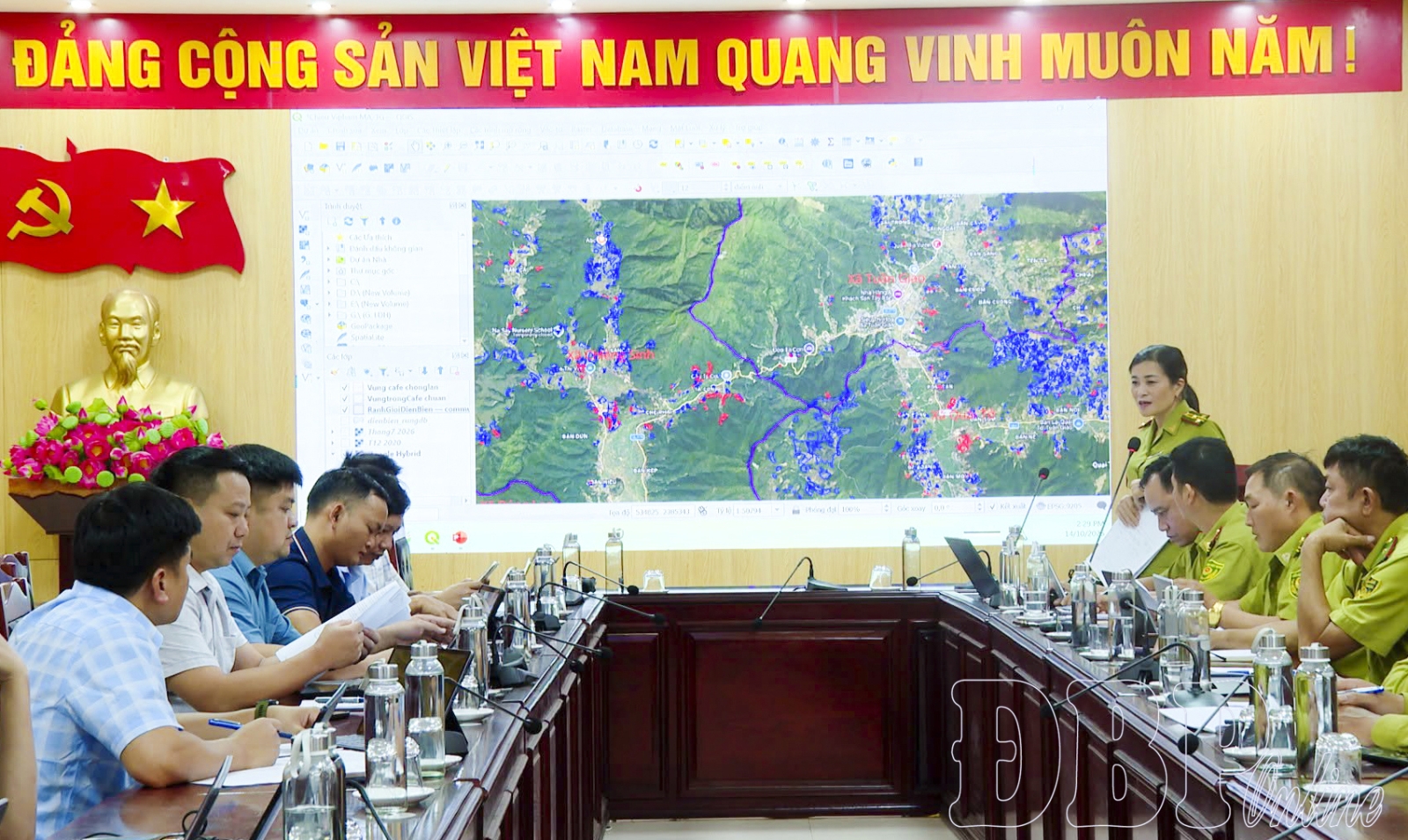
One of the current key requirements is the transparency of product origin, especially in the context that export markets increasingly set high requirements for traceability and forest resource protection. In 2026, the Department of Agriculture and Environment coordinated with the Forestry and Forest Protection Department, Forest Trends organization, and FAO in Việt Nam to deploy capacity-building activities regarding the European Union Deforestation Regulation (EUDR), the Open Foris Ground application, and the development of a cultivation area database, initially focusing on the coffee commodity sector. To date, the province has organized 9 training courses with 314 participants; localities have initially collected, digitized, and updated system information for 3,767 cultivation plots covering a total area of 2,242.9 ha of coffee.
For coffee, the EUDR requires that raw materials must not be produced on land converted from forest to agricultural use after December 31, 2020, while also complying with relevant legislation of the producing country and meeting due diligence requirements as prescribed. Therefore, cultivation area data must be complete, accurate, and verifiable; cross-checked with land and forest data and connected with production, purchase, processing, and consignment records.
This is not only a requirement for export activities but also a foundation to enhance management capacity, organize production, and build prestige for the coffee sector. When each growing area and each product lot is transparently managed, producers and businesses have more grounds to prove quality and origin, gradually participating more deeply in demanding supply chains.
Increasing brand value
Along with standardizing raw material areas, improving processing capacity is identified as a crucial step to increase the value of Điện Biên coffee. Currently, there are 7 enterprises, cooperatives, and facilities engaged in purchasing, processing, and trading coffee in the province. Some units have invested in closed production lines, greenhouse drying tents, and drying yards; gradually developing dry and semi-dry processing methods and roasted, ground, instant, drip bag, and cold brew coffee products.
The whole province currently has 2 coffee chains granted food safety supply certificates; 2 units certified with HACCP. Regarding OCOP products, 10 coffee products have been recognized, including 6 three-star products and 4 four-star products. In particular, Mường Ảng coffee has been granted a Certificate of Geographical Indication Registration by the Intellectual Property Office of Việt Nam. To date, 4 organizations and individuals have been granted the right to use the geographical indication, including: Hải An Co., Ltd., Hà Chung coffee processing facility, Chị Em Coffee Production and Processing Cooperative, and Minh Duy Cooperative. This is an important advantage for the locality to promote product value, build prestige, and expand markets.
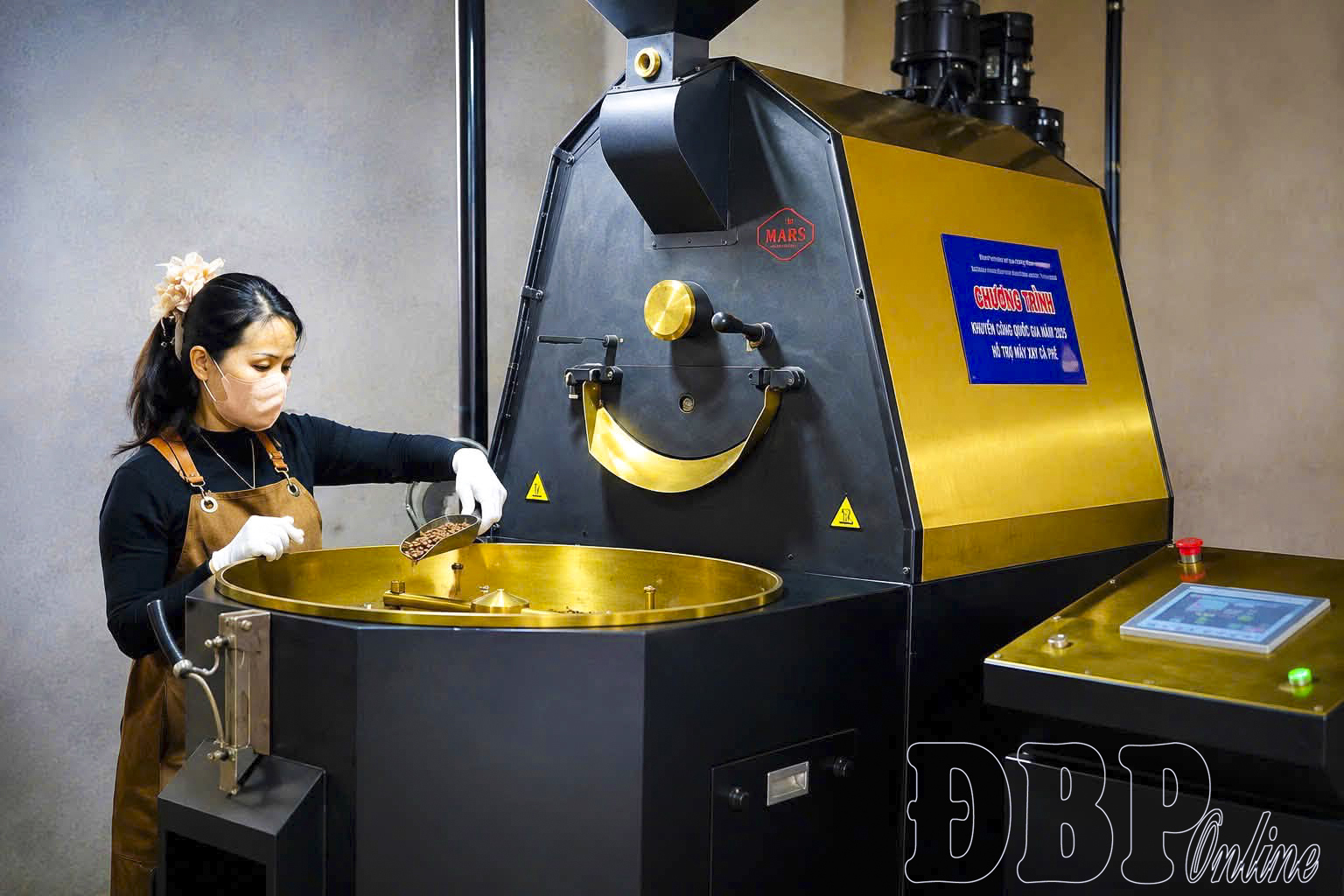
Mường Ảng commune has a large concentrated coffee cultivation area of over 2,100 ha. Currently, local enterprises and cooperatives are gradually shifting production methods, focusing on quality control from harvesting to processing. Vice Director of Chị Em Coffee Production and Processing Cooperative Lường Văn Thoan said: “To elevate the Mường Ảng coffee brand, the cooperative focuses on purchasing raw materials locally, ensuring 100% ripe cherries, while investing in technological processing lines and machinery for finished product processing.”
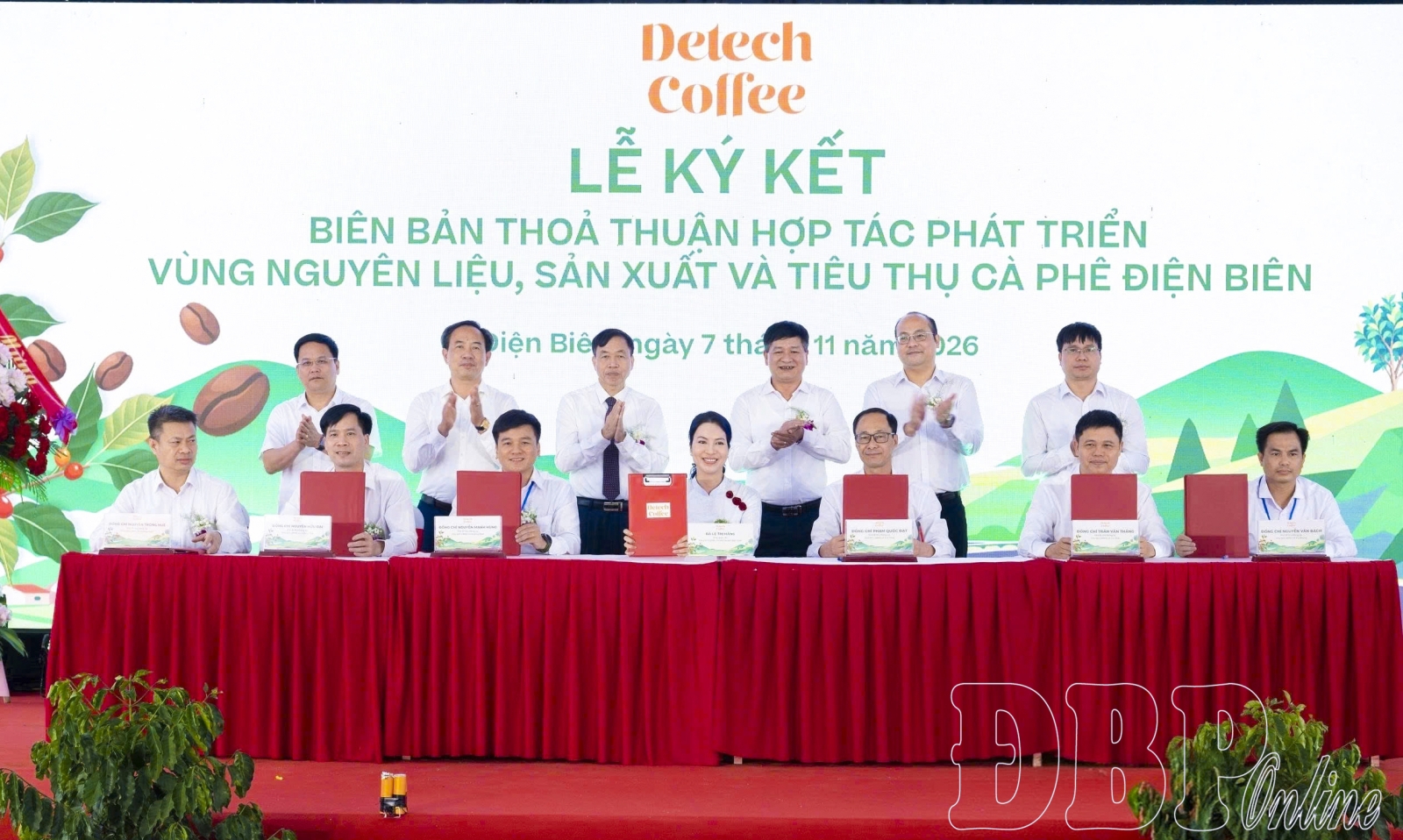
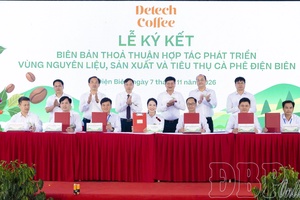
A new highlight in the development of the coffee sector in Điện Biên is the Detech Điện Biên Deep Coffee Processing Factory project, which recently broke ground in Mường Ảng commune. Invested by Detech Điện Biên Coffee Joint Stock Company, the project covers 12.752 ha with a total investment capital of VND 100 billion. Under the plan, the factory has a processing capacity of about 5,000 tons of coffee and 7,000 tons of macadamia nuts per year. Expected products include green coffee beans, parchment coffee, specialty coffee, roasted and ground coffee, Cascara tea, and products extracted from coffee by-products. The project aims to establish a processing facility linked to raw material areas, diversify products, increase the added value of coffee and macadamia, and gradually form a local agricultural production, processing, and consumption chain.
General Director of Detech Điện Biên Coffee Joint Stock Company Lê Thị Hằng said: “The enterprise will organize expert teams to train and coach local people on sustainable farming; position and trace the origin of each coffee garden plot. Thereby, upon export, the enterprise can provide transparent information to customers, forming a sustainable value supply chain and bringing Mường Ảng Arabica coffee to the international market.”
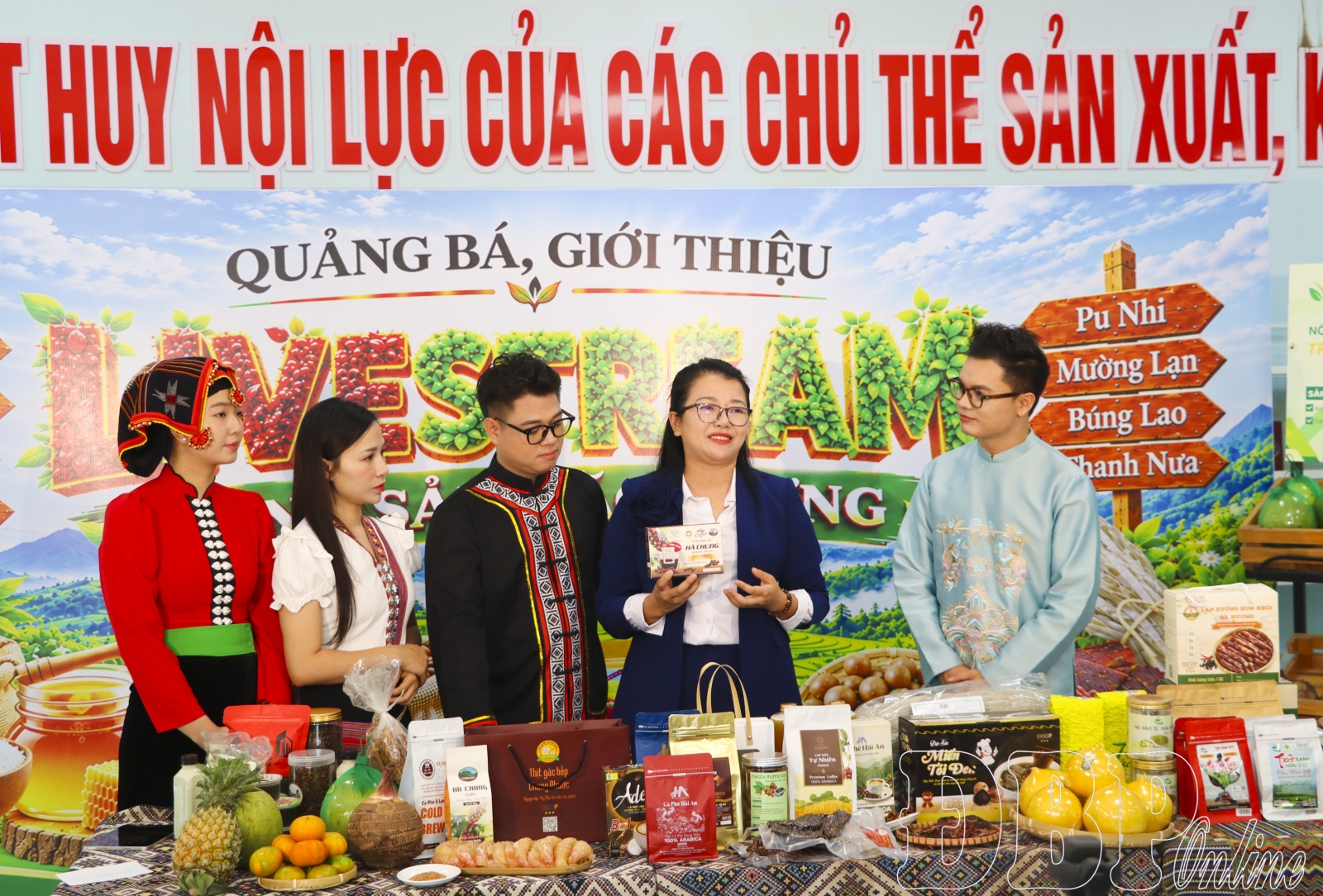
Điện Biên province directs the development of cultivation areas suitable for ecological conditions, soil, water sources, and consumption capacity; encourages agro-forestry intercropping, the use of ground cover, organic fertilizers, and water-saving irrigation where conditions permit. It promotes the role of enterprises in market connectivity, raw material area investment, and enhancing cooperative capacity in production organization, service provision, and quality control.
Head of the Agriculture Sub-Department (Department of Agriculture and Environment) Phạm Đình Lai said: “In the coming time, the Sub-Department will guide and urge localities to develop and manage raw material areas; coordinate the management of seed quality, technical transfer, data standardization, and updating for traceability, supporting the connection of production with processing and consumption. At the same time, the Sub-Department also coordinates with relevant agencies and units to guide localities in preparing conditions to meet the EUDR.”
From the advantage of raw material areas to shifts in production organization, processing, and linkage chain building, Điện Biên coffee is gradually improving its value, competitiveness, and sustainable development.
Phạm Trung




You have 500/500 characters left
Please enter 5 or more characters!!!