
From reviewing land funds and mobilizing people to register areas, to proactively growing seedlings, many localities have started work early, aiming to ensure progress, quality, and efficiency of new planting zones.
Focusing on care for already-planted areas
Implementing Plan No.1850/KH-UBND of the provincial People’s Committee on organizing new planting of coffee, macadamia, and piloting a low-altitude spatial economic development model in 2026, the whole province planted 13,456.84 ha of new coffee, reaching 226.93% of the plan; raising the total coffee area to 21,859.24 ha, surpassing the target of 20,000ha by 2030 set under the Resolution of the provincial Party Congress. For macadamia, newly planted area reached 6,811.28 ha, equal to 112.21% of the plan, raising the total provincial area to 19,596.13 ha. To date, the newly planted areas meet growth and development requirements; the survival rate for coffee ranges from 85-95%, and for macadamia from 85-100%.
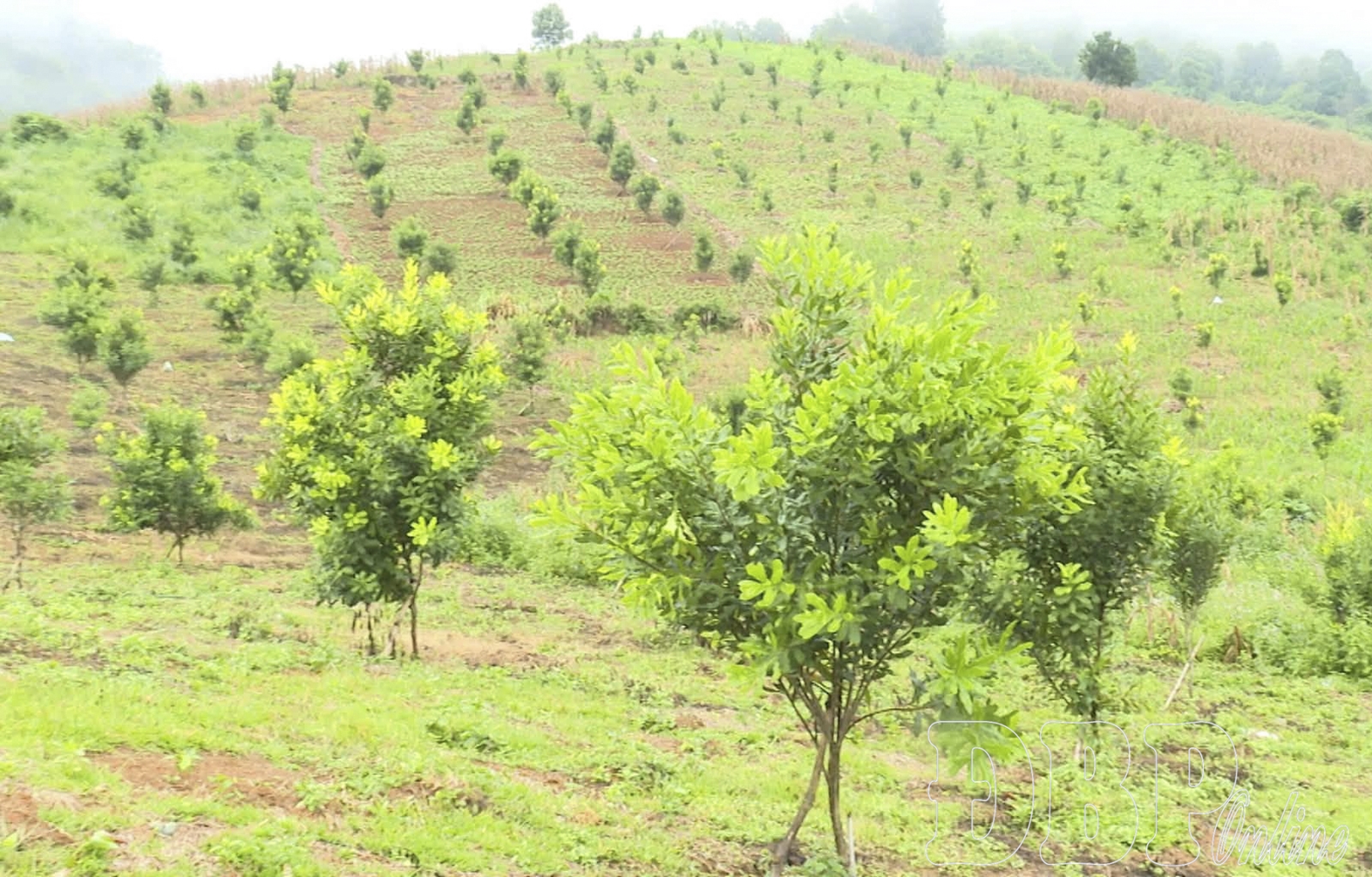
After completing the new planting, localities focused on tending and protecting the planted areas, especially under dry and arid weather conditions, to maintain the survival rate and ensure stable plant growth.
In 2026, Tuần Giáo commune was assigned to plant 140ha of new coffee and 140ha of macadamia. By the end of the season, the commune had planted 358.6 ha of coffee, reaching 256.14% of the plan, and 148.6 ha of macadamia, reaching 106.14% of the plan. Immediately after completing new planting, the locality organized multiple field campaigns to guide residents on care and protection of the trees.
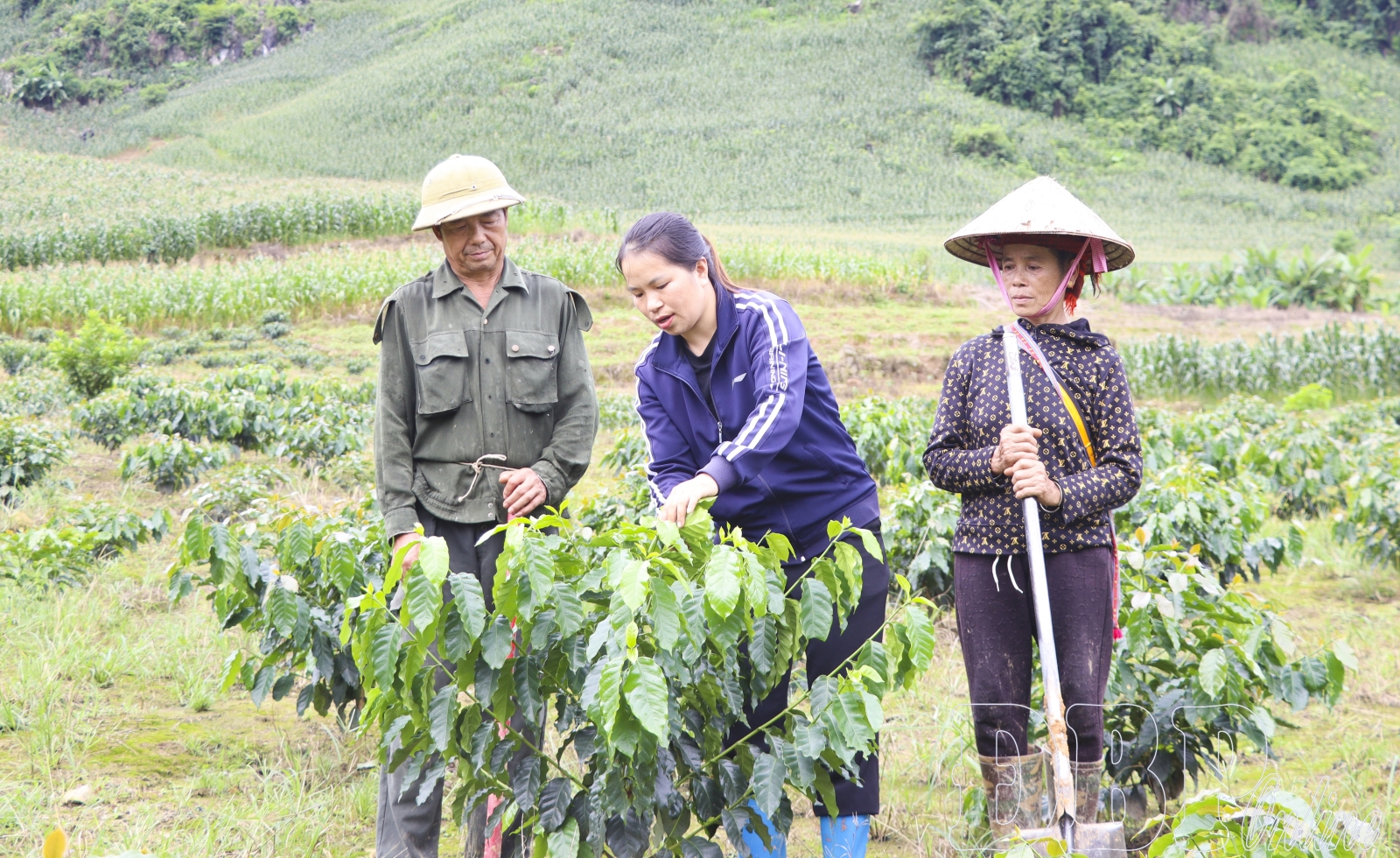
The commune People’s Committee directed the General Service Center to coordinate with village development boards to form working groups and assign technical staff to go directly to communities to inspect, monitor the situation, and guide residents on care measures. The focus was on mulching to retain moisture, proper soil loosening to minimize water loss and protect the root system; also on garden sanitation, appropriate fertilization, pruning, and canopy shaping to ensure good ventilation and limit pest damage.
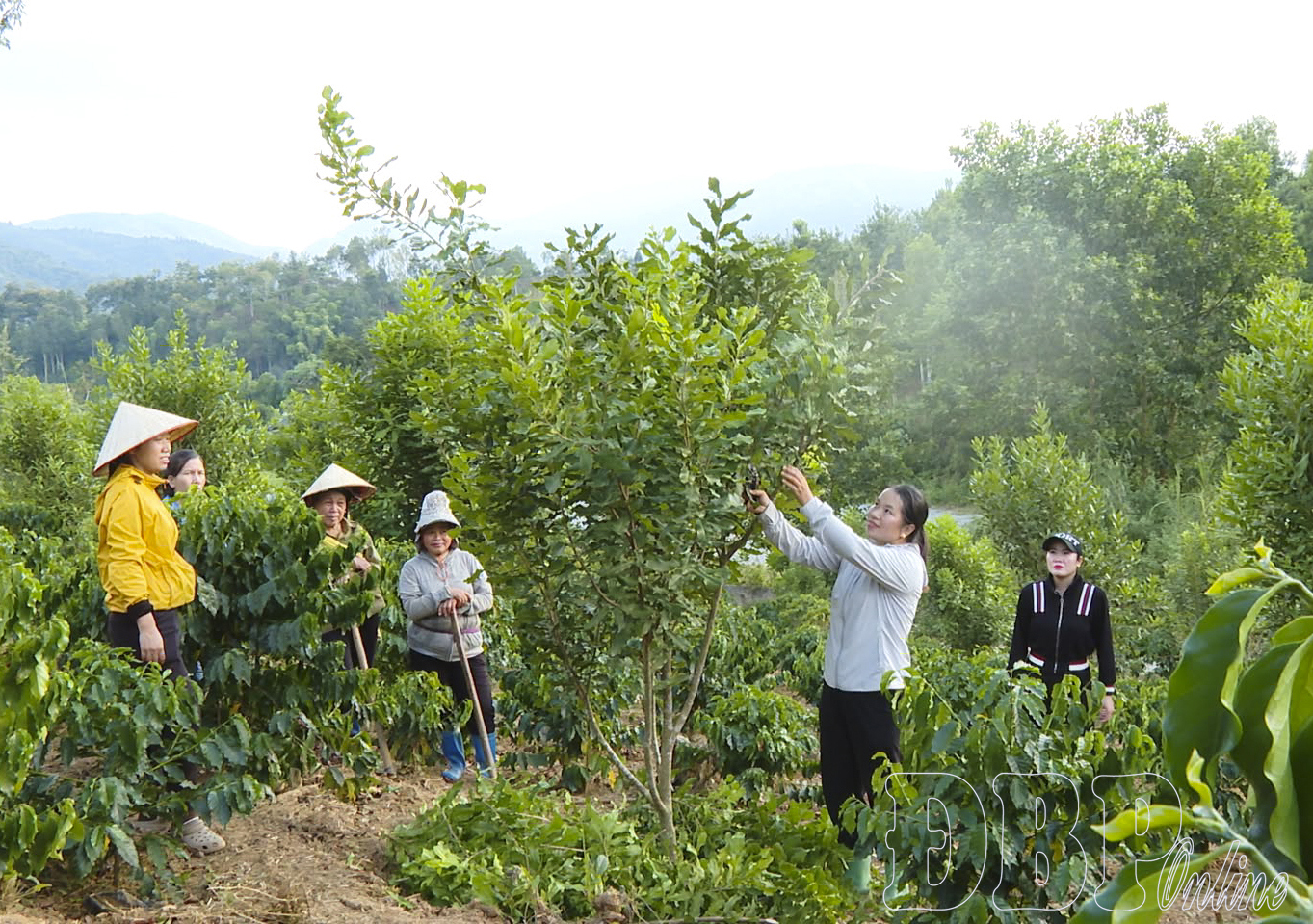
In 2026, the household of Quàng Văn Tin, Pha Nàng village (Tuần Giáo commune), planted 1.5 ha of new coffee. After sowing, Quàng Văn Tin regularly visited the garden and proactively tended the trees to ensure good growth.
“Having staff from the commune’s General Service Center come directly to the village to guide us, my family now has a better understanding of care techniques, fertilization, and moisture retention. I will regularly inspect the garden and follow the guidelines correctly so that the coffee trees grow well,” Quàng Văn Tin said.
Lò Thị Bon from the General Service Center of Tuần Giáo commune said: “The Center has established working groups and teams to stay close to the area. When visiting villages, staff integrate communication and guidance on planting techniques, post-planting care, and proper and effective use of fertilizers. This helps people become more proactive in caring for and protecting the coffee and macadamia areas they have planted.”
According to Lê Xuân Cảnh, Director of the Department of Agriculture and Environment, the 2026 new coffee and macadamia planting season achieved positive results across all three dimensions: area, crop quality, and scope of implementation. Currently, the Department has directed its specialized units to coordinate with commune authorities to inspect all planting zone areas, while guiding residents on care to ensure high survival rates and good plant growth. Alongside this, the sector is developing a plan to implement the 2027 new planting season.
Proactively securing seedling sources, ready for the new season
In 2027, Điện Biên province targets planting 20,000ha of new coffee, of which 10,000ha will be supported by the state budget and 10,000ha planted by residents on their own; while also developing an additional 10,000ha of intercropped macadamia.
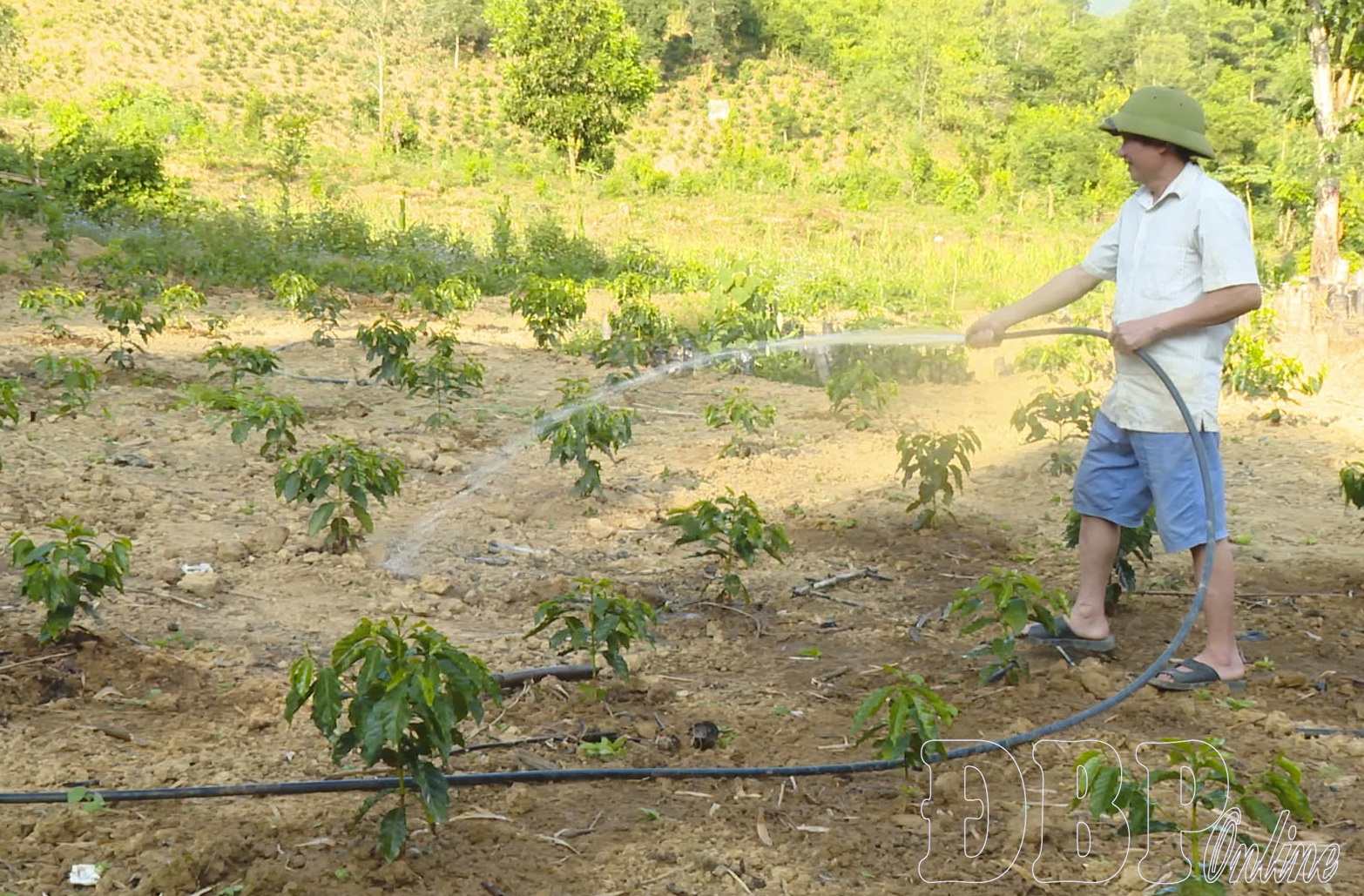
At this point, commune authorities are focusing on communication and mobilization to encourage residents to register new planting areas; coordinating with forest rangers to review land funds and identify areas with suitable conditions. At the same time, preparations are being made to ensure sufficient quantity and quality of seedlings when the planting season begins.
In Mường Mùn commune, preparation for the 2027 planting season began immediately after the locality completed its 2026 new planting targets. In 2027, Mường Mùn commune has registered to grow seedlings to serve new planting on over 700ha of coffee. To ensure the plan, the commune People’s Committee coordinates with functional agencies to strictly review areas, land status, and production conditions of each household; selects suitable planting zones, complying with land use planning and regulations on forest protection and environmental protection.
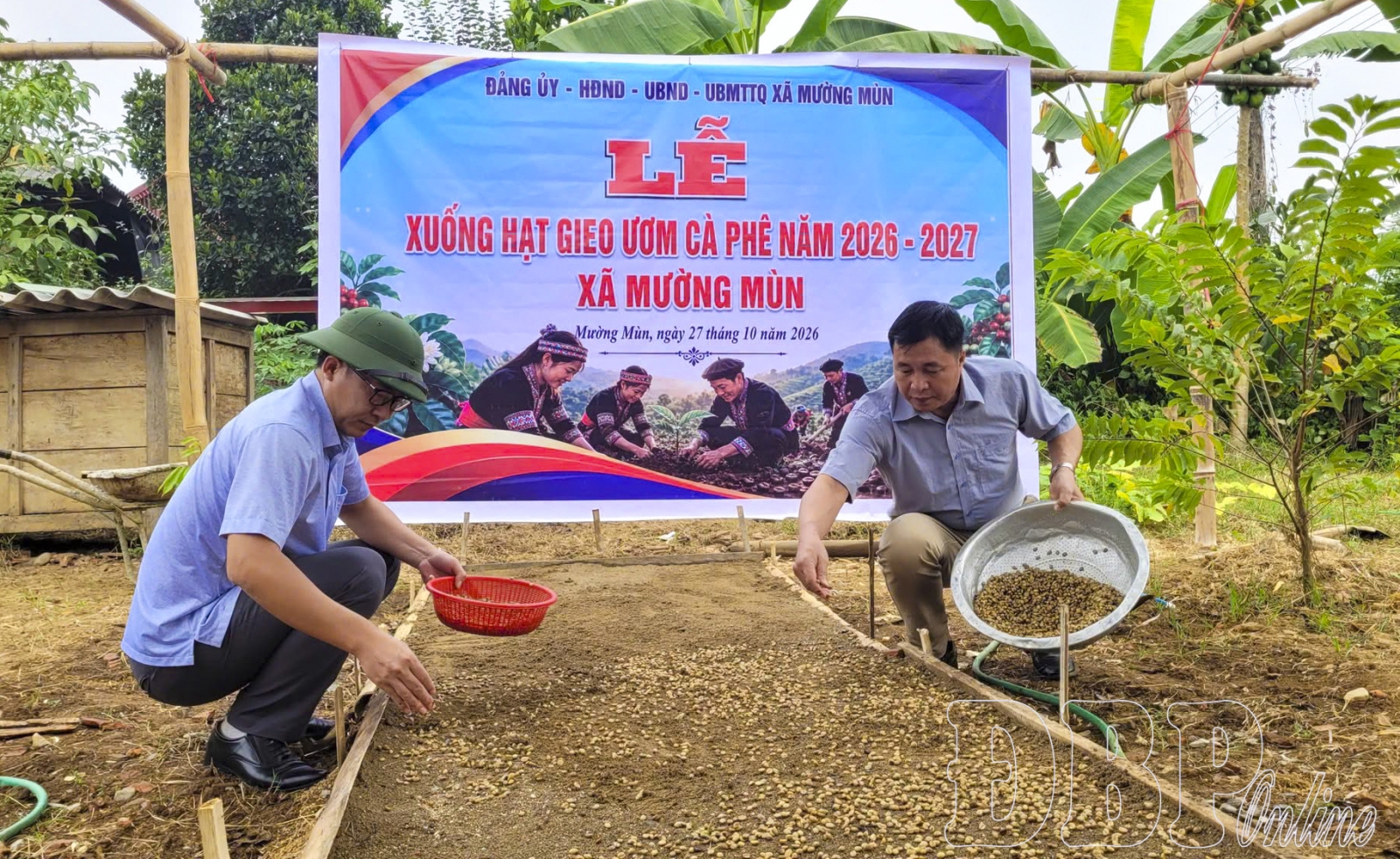
Alongside this, the commune authority organized coffee seed nurseries to proactively secure seedling sources for the new planting season. Whereas in 2026 the commune organized centralized nurseries, in 2027 nursery activities are being carried out at more than 150 groups and teams belonging to 18 coffee-growing villages in the area. The commune provides seeds and technical guidance so that groups and teams can proactively implement, linking seedling care responsibilities with each residential community.
On the morning of October 27, Mường Mùn commune organized a seed-sowing ceremony to officially kick off preparation of the seedling source for the 2027 planting season. To date, 100% of the groups and teams have completed nursery sowing; the nurseries are basically growing and developing well.
“The commune People’s Committee has directed its specialized department to closely coordinate with the seed supplier to guide and inspect technical processes; ensuring seeds have clear origins, and that nurseries meet conditions for water supply, drainage, and seedling care. Household groups are guided to strictly follow seed sowing, watering, light adjustment, and pest control procedures; and to regularly monitor growth and select standard seedlings before planting,” said Nguyễn Mạnh Hùng, Chairman of the People’s Committee of Mường Mùn commune.
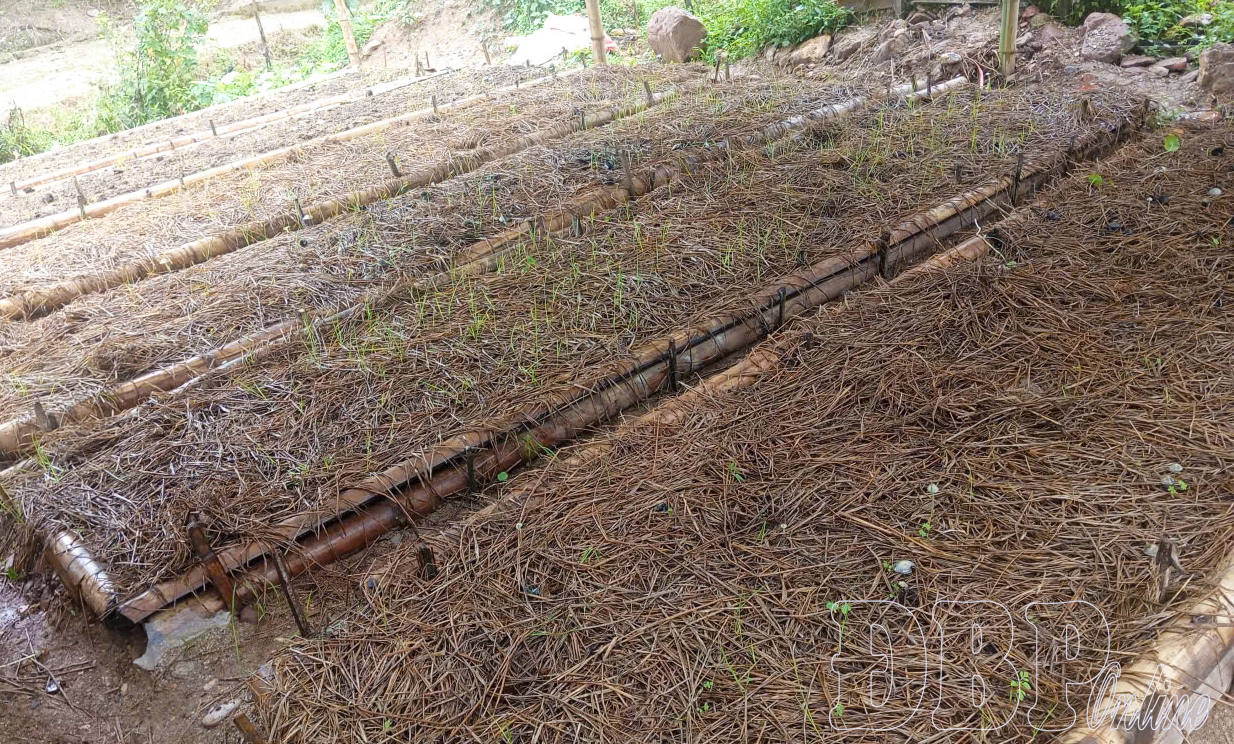
In addition to preparing seedling sources, the commune also focuses on connecting with enterprises, cooperatives, and cooperative groups to gradually form a linkage chain from seed supply, planting, and care to purchase, processing, and product consumption. Specialized agencies, Party cell secretaries, and village heads stay close to the area, guiding residents on land preparation, production resources, and proper seasonality; regularly inspect progress and promptly address difficulties in the implementation process.
With proactive and early systematic preparation, it is hoped that Điện Biên province will continue to complete and exceed its 2027 new coffee and macadamia planting targets, contributing to the development of concentrated raw material areas, and gradually enhancing the value and sustainability of the local agricultural sector.
Phạm Trung





You have 500/500 characters left
Please enter 5 or more characters!!!