



Closely following the characteristics of each village and hamlet, the Sam Mứn commune Police force coordinates tightly with departments, branches, and mass organizations to select practical content and diversify communication formats, contributing to raising the people’s awareness and consciousness of law observance, and safeguarding security and order right from the grassroots.
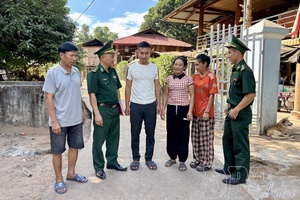
During the Ca Hâu village meeting in October, cadres of the Sam Mứn commune Police directly communicated and disseminated legal regulations related to daily life. Content covering traffic safety, human trafficking prevention and combat, illegal immigration, and the harmful effects of narcotics was conveyed in a relatable, easy-to-understand manner, helping citizens identify potential risks and know how to proactively avoid them. Beyond just listening, residents also had the opportunity to exchange views and explore issues directly relating to themselves, their families, and the community.
For Và A Nếnh of Ca Hâu village, having commune Police cadres visit the village to disseminate information helps him and his fellow villagers better understand the regulations they must abide by, especially staying vigilant against acts of enticement and luring into illegal activities. “Through the communication session, we more clearly understand the harms of narcotics, the risks of human trafficking, and illegal immigration. Everyone needs to heighten their consciousness of law observance while reminding relatives and descendants to do the same so the village remains peaceful,” Và A Nếnh shared.
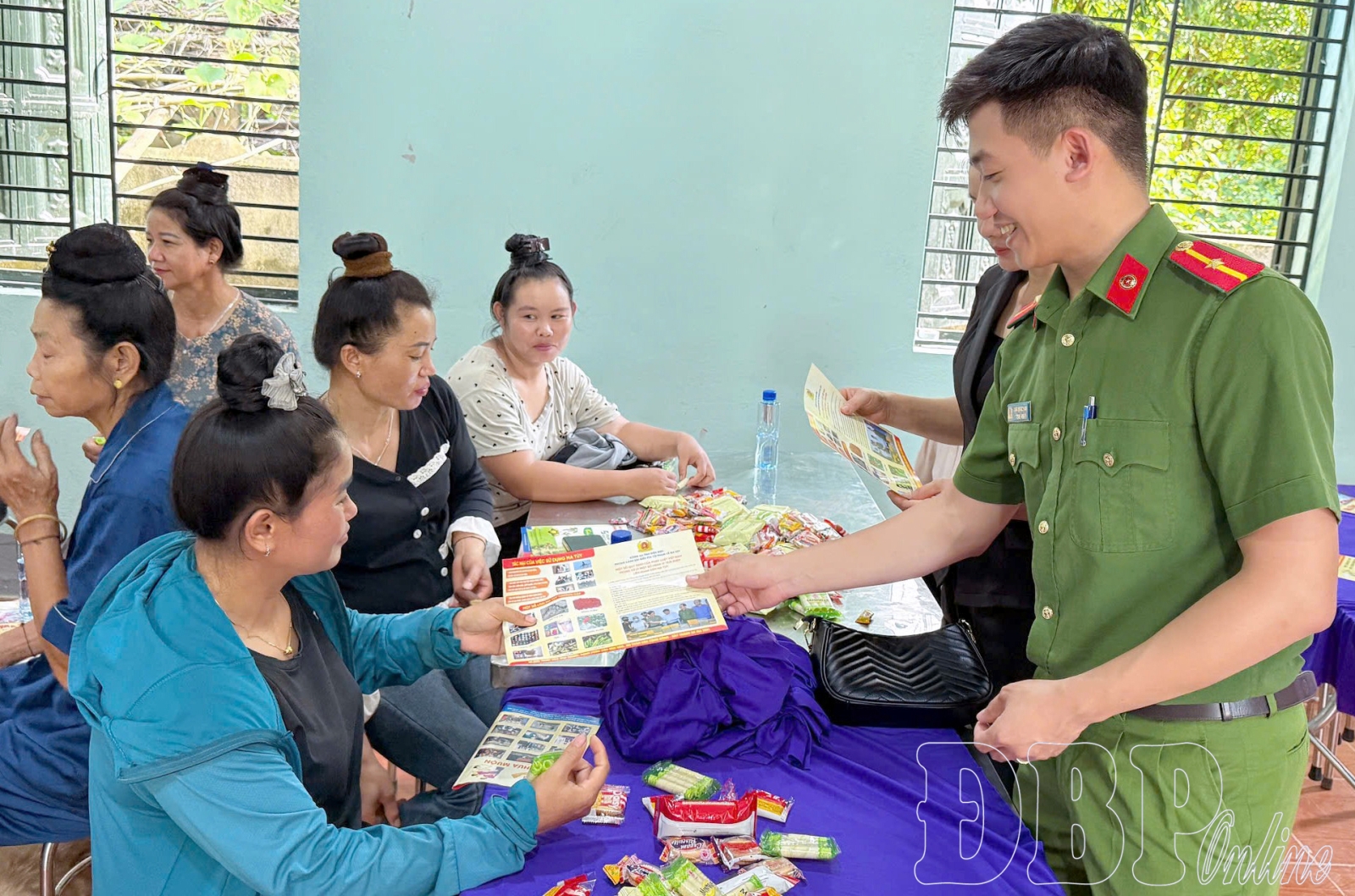
Direct communication sessions like the one in Ca Hâu village are among the many approaches emphasized by the Sam Mứn commune Police. Instead of merely disseminating general regulations, the unit pays attention to selecting issues suitable to the demographic characteristics, security and order situation, and practical needs of each area, making it easier for citizens to access, remember, and apply the information in their daily lives.
Sam Mứn commune was established by merging the entire natural area and population scale of Pom Lót and Na Ư communes, comprising 4 hamlets and 8 villages, of which 6 villages endure difficult socio-economic conditions. The managed territory is vast, the population lives across multiple areas, and information access levels, customs, and practices possess differences. This requires legal communication work to be deployed flexibly, tailored to each demographic group, avoiding superficiality and a scattered approach.
Second Lieutenant Ngô Ngọc Lâm of the Sam Mứn commune Police stated that the locality is home to multiple ethnic groups living together, wherein the Kinh ethnic group accounts for approximately 44.72%, the Thái ethnic group nearly 30%, and the Mông ethnic group 24.24%. This characteristic is carefully considered by the unit when selecting contents and methods for public communication and mass mobilization, ensuring legal information reaches the people in an understandable and suitable manner.
In the Pom Lót area, which enjoys more favorable conditions regarding transportation, production, business, and services, communication contents focus on drug prevention and combat, property theft, fraud, disseminating traffic safety regulations, fire prevention and fighting, and the management of weapons, explosives, and combat gears. In several villages bordering Laos, communication work centers on abiding by national border and immigration regulations, preventing and combating human trafficking, narcotics, recruitment fraud, and other contents driven by actual situations. For teenagers and students, the emphasis is placed on disseminating cybersecurity, drug prevention, school violence prevention, and traffic safety. Specifically for the elderly, communication content targets fraud prevention, property protection, and more.
Alongside accurately identifying communication contents, the commune Police prioritize selecting suitable delivery methods. Prior to each communication drive, cadres and officers coordinate with Party cell secretaries, village heads, reputable figures, and related forces to grasp the situation and identify the issues of public concern. From there, the unit organizes direct communication, integrates it into hamlet and village meetings, and utilizes public address systems, visual aids, illustrative scenarios, and appropriate information channels.
Tying legal communication to community activities creates conditions for the commune police force to access citizens more smoothly, while simultaneously promoting the role of Party committees, grassroots administrations, mass organizations, and reputable figures in public mobilization. Issues relating to daily life, family relations, risks of being defrauded, or tricks used to lure people into legal violations are discussed specifically, helping residents heighten their vigilance and proactively protect themselves and their families.
While deploying to local areas, the commune Police's cadres and officers combine their duties with grasping public sentiments and aspirations, listening to feedback, and guiding citizens in resolving issues within their scope of responsibility. Through contact and dialogue, concerns are promptly answered, and information related to security and order is received to serve area management tasks. This approach contributes to bringing communication activities closer to daily life while strengthening the bond between the police force and the people.
From the beginning of the year to date, the Sam Mứn commune Police have coordinated the organization of 28 direct communication sessions, integrated legal dissemination into 90 hamlet and village meetings, and conducted over 1,000 broadcasts via the public address system.
Legal communication, dissemination, and education do not stop at helping citizens know the regulations; more importantly, they elevate the consciousness of voluntary compliance, proactive prevention, and timely reporting to functional forces upon detecting signs of violations. The manner in which the Sam Mứn commune Police bring the law to every hamlet and village, linked to practical life issues, contributes to progressively building a sense of responsibility among every citizen toward local security and order. When citizens understand the law, trust, and actively coordinate with functional forces, it forms the foundation to safeguard grassroots peace, creating conditions for families to work, produce, and develop the economy with peace of mind.
An Biên










You have 500/500 characters left
Please enter 5 or more characters!!!