



Part 2: Bringing the voices of highland voters to the National Assembly
Hardships behind classroom doors
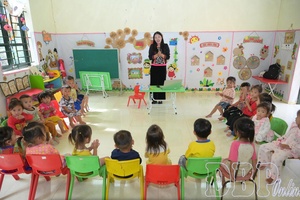
Early childhood education is a crucial initial step in every child’s development. Yet, in the highland villages of Mường Toong, Điện Biên province, bringing children to class and helping them keep pace with the curriculum still encounters numerous obstacles. The majority of children where Mì Lé works belong to the Mông ethnic group; they use their mother tongue in daily communication, making them unaccustomed to hearing and speaking Vietnamese. To help children easily absorb lessons, teacher Mì Lé opted for relatable instructional methods, blending gestures, imagery, and visual activities. She also learned the Mông language to communicate with students and parents, helping the children overcome their shyness.
Language barriers represent only a fraction of the hurdles at highland school sites. Many locations lack solid classrooms, toys, and learning materials; several school sites do not yet have semi-boarding kitchens. The teaching staff also falls short of requirements. In the 2026–2027 school year, the entire Điện Biên province faced a shortage of 2,009 teachers across all educational levels, with preschools lacking 915 personnel, primarily in remote and isolated areas. “There are times when a single teacher must manage over 20 children aged 2 to 5; at some village sites, the number of children under one teacher’s care can exceed 30. Disparities in age, cognitive capacity, and language make the organization of child care, nurturing, and education even more strenuous, demanding tremendous effort from teachers,” Mì Lé shared.
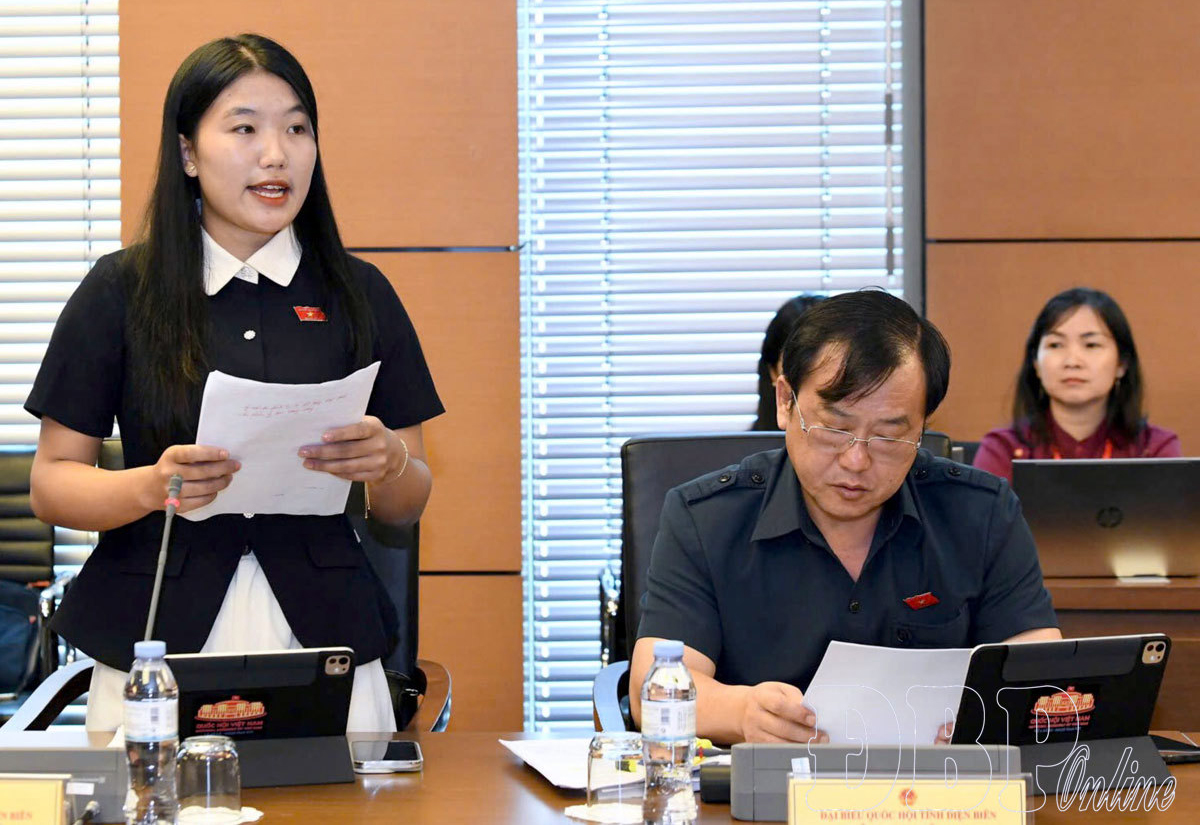
The commute to class poses a challenge for both teachers and students. Dissected terrain and difficult transportation, especially during the rainy season, make maintaining attendance difficult in some villages. Recalling her early days on the job, Mì Lé recounted instances of navigating slippery dirt roads with colleagues, falling off motorbikes, and acquiring scars. Nevertheless, thinking of the children waiting in class, the teachers encouraged one another to stay anchored to the school and the village. Numerous obstacles also stem from family circumstances. Some parents have yet to fully grasp the significance of early childhood education, assuming children are too young and do not need schooling; some children must stay home to babysit younger siblings or follow their parents to the swiddens. Therefore, teacher Lỳ Mì Lé and her colleagues persistently visited each home to advocate and explain the benefits of sending children to school. For exceptionally disadvantaged families, she sought ways to connect with support sources so children gained better conditions to attend school.
The story of a family with four young children remains deeply etched in teacher Lỳ Mì Lé’s memory. Enduring a life of deprivation, neither spouse spoke the common national language. When mobilized to send their children to class, their greatest worry was having no money to buy clothing for them. Empathizing with this plight, she offered encouragement while connecting with philanthropists to sponsor clothes and sandals for the students. Upon returning to class, fully cared for and properly fed, the children gradually integrated with their peers. Parents also felt more secure entrusting their children to the school. Vừ A Lầu, a resident of Cây Sặt village, Mường Toong commune, shared: “Seeing our children attentively cared for, fully fed, and properly educated, we feel much more reassured leaving them with the teachers and the school.”
Her years committed to highland children helped teacher Lỳ Mì Lé realize that for these children to attend class regularly and excel academically, teachers’ dedication must be coupled with adequate school infrastructure, sufficient staffing, proper nutrition, and support for disadvantaged families. These are also the issues she prioritizes while fulfilling her role as a National Assembly deputy.
Elevating grassroots voices into policies
During the First and Second Sessions of the 16th National Assembly, 2026–2031 term, drawing from direct grassroots experience, Lỳ Mì Lé focused on solutions to enhance early childhood education quality in remote, isolated, and border areas. The issues she tabled included: solidifying school infrastructure, allocating school sites suited to terrain and demographics, and supplementing teachers - especially those well-versed in local languages and cultures. She also advocated for strengthening Vietnamese language skills for children before they enter the first grade, based on respect for their mother tongue and ethnic identity. According to National Assembly deputy Lỳ Mì Lé, educational policies must be tethered to citizens’ living conditions. Some parents want to send their children to school but lack the funds to buy clothes and essential supplies; in remote villages, arduous roads also obstruct school attendance. Therefore, beyond investing in school facilities and supplementing teachers, attention must be paid to nutrition, child care conditions, and support policies that accurately target the practical needs of each locality.
Đoàn Xuân Tứ, Chairman of the Mường Toong Commune People’s Committee, stated that not only in Mường Toong but across many highland communes, education still faces severe difficulties due to expansive territories, obstructed transport, and deprived living conditions. These factors directly impact efforts to mobilize children to class, maintain attendance, and guarantee learning conditions for students. To improve educational quality, communes require additional resources to invest in school facilities, supplement teachers, and formulate support policies aligned with the practical realities of highland villages. According to Tứ, the difficulties and bottlenecks emerging from the grassroots need to be comprehensively conveyed by deputies to ministries and sectors to formulate appropriate remedial solutions.
Alongside her recommendations at the National Assembly, deputy Lỳ Mì Lé emphasizes that the province and relevant departments and sectors must adopt suitable policies to support students in disadvantaged areas, especially preschool children preparing for first grade. The ability to use Vietnamese directly affects knowledge absorption and integration into a new learning environment. In reality, many children in remote and isolated areas possess limited Vietnamese proficiency before entering primary school, causing hurdles during their initial school days.
Concurring on this issue, Hoàng Tuyết Ban, Director of the Department of Education and Training, stated that the province has deployed activities to strengthen Vietnamese for ethnic minority children before first grade. However, in remote and isolated areas, the mother tongue remains the primary language of communication within families and communities, meaning Vietnamese enhancement must be conducted regularly and more congruently with practical conditions. The sector will continue elevating the quality of this activity, coordinating with families and localities so children gain more opportunities to hear and speak Vietnamese in their daily routines, thereby feeling more confident when entering primary school.
Coupled with the education sector, National Assembly deputy Lỳ Mì Lé aspires for greater attention to be paid to healthcare, livelihoods, infrastructure, and the daily lives of ethnic minorities - particularly women and children in remote, isolated, and border areas. She views these issues as inextricably linked to education, since struggling families affect children’s schooling, while constrained transport and infrastructure obstruct access to schools, medical services, and other essential prerequisites.
As a highland preschool teacher, Lỳ Mì Lé understands the hardships of young children and their families through every class session, every parent-mobilization trip, and every circumstance requiring assistance. Now, in her capacity as a National Assembly deputy, those experiences help her perceive the issues of the Si La ethnic minority and highland residents through the lens of lived realities. Her aspiration is for these hardships to receive adequate attention so that children secure better educational conditions, women gain added opportunities to improve their lives, and ethnic minorities access essential services more comprehensively.
Văn Tâm - Văn Quyết




You have 500/500 characters left
Please enter 5 or more characters!!!