



Within this process, the action plan is considered a “political contract” between each candidate and the people, a primary foundation for constituents to evaluate, compare, and ultimately decide their vote in the upcoming election.
.jpg)
Currently, Fatherland Front committees at all levels in Điện Biên province are proactively coordinating with local authorities and villages to organize voter contact and campaigning meetings for candidates running for the 16th National Assembly and People’s Councils for the 2026-2031 term. At these gatherings, each candidate presents a full-term action plan, demonstrating a firm commitment to utilize their wisdom, experience, and responsibility to serve as a worthy representative of the public’s will and legitimate interests.
.jpg)
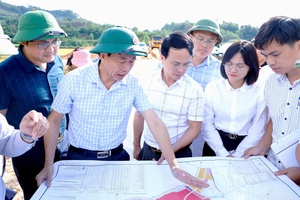
Trần Tiến Dũng, a member of the Party Central Committee and Secretary of the Điện Biên provincial Party Committee, is standing as a candidate for the 16th National Assembly in Election Unit No.1. This unit covers ward Điện Biên Phủ, Mường Thanh ward, and 13 communes including Mường Phăng, Thanh Nưa, Thanh Yên, Sam Mứn, Thanh An, Núa Ngam, Mường Nhà, Pu Nhi, Na Son, Xa Dung, Mường Luân, Tìa Dình, and Phình Giàng. In the action plan presented to voters, Trần Tiến Dũng identified three core objectives: removing infrastructure connectivity “bottlenecks,” transforming tourism into a spearhead economic sector, and building a green, smart, and sustainable Điện Biên province with a target growth rate of 10% to 11%. Regarding infrastructure, the province intends to coordinate closely with central ministries to break ground on the Sơn La - Điện Biên - Tây Trang international border gate expressway. Additionally, there is a strong focus on upgrading the border economy, specifically proposing the opening of the A Pa Chải (Việt Nam) - Long Phú (China) international border gate to boost trade and attract investment.
.jpg)
For tourism, Trần Tiến Dũng emphasized three pillars: spiritual tourism, ethnic cultural tourism, and resort-experiential tourism. The province plans to accelerate promotion, infrastructure investment, and service quality to firmly establish the Điện Biên tourism brand. Developing a green and smart economy with high growth is a challenging yet strategic mission that requires the consensus of the political system, businesses, and the people to bridge the development gap with other regions. At these meetings, Trần Tiến Dũng pledged that if trusted with a seat in the 16th National Assembly, he would faithfully and honestly convey all voter recommendations to the National Assembly and central agencies, serving as a dedicated bridge between the people and the highest state authority.
.jpg)
Meanwhile, Lò Thị Luyến, the Deputy Head of the 15th National Assembly Deputy Delegation of Điện Biên, is running for her third term. For her, the action plan is a political commitment that serves as the “key” to building trust and consensus. Drawing on the experience of two previous terms, she recognizes the immense pressure and required persistence of the role. Her action plan is anchored by the motto “Listen - Understand - Accompany,” emphasizing the need to listen to voters across all forums, understand their legitimate aspirations, and accompany both the people and functional agencies in proposing solutions to the National Assembly and Government. She expressed her honor at receiving heartfelt feedback from voters in Unit No.1 and hoped for continued support to fulfill the heavy responsibilities of a people’s representative. One voter, Nguyễn Văn Cấp from Điện Biên Phủ ward, shared his confidence in the candidates’ strong political mettle, decisive working styles, and long-term strategic vision for a thriving Điện Biên.
At the local level, candidates for the People’s Councils are also actively engaging with the community. Even on weekends, a delegation of candidates for the Na Son Commune People’s Council for the 2026-2031 term organized meetings in the villages of Suối Lư 1, 2, and 3 to ensure progress and allow direct dialogue. Nguyễn Thanh Lâm, Vice Chairman of the Na Son commune People’s Committee and a candidate himself, stated that his action plan is closely tied to the practical realities of each village. His economic focus involves transforming crop and livestock structures, encouraging clean agriculture, and applying high technology. Simultaneously, he aims to accelerate New Rural Development by mobilizing resources for transport and irrigation while attracting investment into handicrafts and services to create local jobs and reduce poverty sustainably. He also highlighted the importance of land and environmental management, aiming for strict planning and the maintenance of “bright, green, clean, and beautiful” environments.
.jpg)
Voter Lò Văn Nghiên from Suối Lư 2 village noted that these villages suffered through a historic flood in August 2025. While basic recovery has been achieved, lingering environmental issues remain a priority. He appreciated that the candidates’ action plans addressed environmental protection directly, showing a deep understanding of local needs. Ultimately, these voter meetings demonstrate that an action plan is far more than an election promise; it is a “political contract” tied to the reputation and responsibility of each candidate. Voters listen to evaluate capacity and passion, while candidates present their commitments to be held accountable. When a ballot is cast, it is not just a choice but an entrustment of faith, and these “contracts” signed with the people will serve as the ultimate measure of a representative throughout their term.
Phạm Trung
.jpg)

.jpg)
.jpg)
.jpg)
.jpg)
.jpg)
.jpg)
.jpg)
.jpg)
.jpg)
You have 500/500 characters left
Please enter 5 or more characters!!!