



Looking back at this event, it is clear that a profound mark has been left regarding the spirit of democracy, social consensus, and the unwavering trust of the people in the political system. Far beyond a mere political milestone, this election served as a vivid measure of the effectiveness of leadership, organization, and the deep-rooted bond between the government and its citizens.
.jpg)
The results of the election truly reflect this spirit. Across the province, 407,164 out of 407,339 voters cast their ballots, reaching a turnout rate of 99.96% and making Điện Biên one of the localities with the highest voter participation in the country. Furthermore, an impressive 898 out of 926 polling areas and 34 out of 45 communes and wards achieved a 100% turnout rate, demonstrating a high level of consensus and a profound political consciousness among the people.
The success of the election was further evidenced by the fact that the required number of deputies was fully elected. At the conference to announce the results of the election for the 16th Provincial People’s Council held on the afternoon of March 19, data showed that Điện Biên successfully elected all 7 National Assembly deputies from 13 candidates and 50 provincial People’s Council deputies from 83 candidates.
.jpg)
Additionally, 924 communal-level deputies were chosen from a total of 1,556 candidates. The structural proportions of the deputies were strictly maintained according to regulations, reflecting thorough preparation in personnel work and ensuring broad representation for all strata of society.
Cao Thị Tuyết Lan, Vice Chairwoman of the Provincial People’s Council, affirmed that the election took place democratically, legally, safely, and economically. Agencies throughout the province implemented an emulation movement with the spirit of the “3 Bests” - the fastest organization, the highest quality, and the highest voter turnout. This created a vibrant atmosphere that truly turned the election into a festival for the entire population.
.jpg)
Behind these impressive figures lay a methodical and professional preparation process. From the negotiation and selection of candidates to the organization of voter meetings, every step was conducted with strict adherence to regulations. The action programs presented by the candidates moved beyond generic promises, instead focusing on specific solutions tailored to local realities. These commitments served not only as pledges to the voters but also as a foundation for the people to monitor and evaluate their representatives throughout the upcoming term.
On election day, the organization was deployed scientifically to ensure legal compliance. Polling areas were arranged solemnly and conveniently, with service forces assigned clear roles to provide dedicated guidance to voters. Notably, security and order were tightly managed, ensuring stability throughout the entire voting process without any complex incidents.
.png)
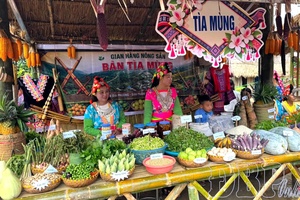
Tìa Dình commune was one of the two localities to complete voting earliest in the province, finishing by 9:30 AM. According to Nguyễn Xuân Thức, Chairman of the Tìa Dình commune People’s Committee, this result was achieved by prioritizing dissemination and mobilization to ensure citizens understood their rights and obligations. He emphasized that the role of the grassroots political system is vital, placing the people at the center of every task. When the people understand and trust the process, political tasks achieve high and sustainable results.
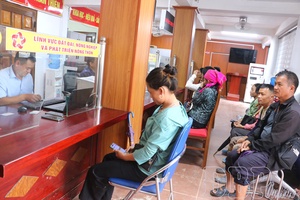
A notable new feature of this election cycle was the implementation of the two-tier local government model, which created a clear shift in efficiency. By eliminating intermediate levels, instructional documents from the province were transferred directly to communes and wards, shortening the process and increasing proactive management. Many localities applied digital technology to compile voter lists and synthesize results, while some assigned communal officials and school staff to take on leadership roles within election teams to enhance operational capacity.
.jpg)
Evaluating the election overall, Nguyễn Tiến Đạt, Director of the Department of Home Affairs, believed that the success lay not just in the high turnout but in the promotion of the people’s right to mastery. He noted that the preparation was synchronized and tight from the provincial to the grassroots level, with no major errors occurring during the nomination or voting phases. He highlighted that the high consensus reflects the voters’ continued confidence in the Party, the State, and local authorities, providing a vital foundation for the new term.
However, the election also brings new requirements, particularly in ensuring that deputies act as a true bridge between the people and the government. Pledges made to voters must be materialized through concrete actions and results. The 2021-2026 term saw Điện Biên achieve many important milestones in socio-economic development and infrastructure, and the success of the 2026-2031 election cycle provides the momentum for the province to continue its path toward rapid and sustainable growth.
Quốc Huy

.jpg)
.jpg)
.jpg)
.jpg)
.jpg)
.jpg)
.jpg)
.jpg)
.jpg)
.jpg)
You have 500/500 characters left
Please enter 5 or more characters!!!