



After that journey, the 85 trainees participating in the 2026 “Military Semester” program have become more mature in their awareness and behavioral culture, forming an orderly lifestyle, learning self-care, and becoming more responsible to the collective.
The program was jointly organized by the provincial Youth Union and the provincial Military Command from June 22 to July 1 at Infantry Battalion 1 under Regiment 741. All 85 trainees were organized into one company, divided into three platoons and nine squads, and were directly guided and accompanied by their squad leaders throughout the Military Semester.
.jpg)
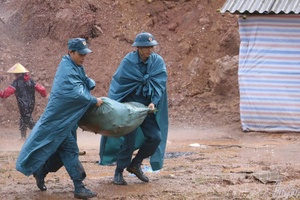
Participating in the program, the “young soldiers” had to strictly comply with the 11 daily regimes and prescribed time frames, starting at 5:00 and ending at 21:30. Everyone uniformly followed the schedule set for activities that included studying, dining, personal hygiene, roll call, and resting. Additionally, the training contents featured learning the 10 oaths of honor and 12 disciplines of the Vietnam People’s Army, close-order drills, folding bedding neatly, learning about weapons and equipment, physical training, and field marches.
After experiencing initial awkwardness, the trainees gradually became accustomed to the new learning and training environment. Bùi Bảo Châm, 13 years old from Nà Hỳ commune, shared that she initially missed home very much and was not used to living in a collective. At home during the summer, she usually stayed up late and woke up late, but after participating for a while, she became more disciplined and self-aware, waking up exactly at 5:00 to do physical exercises and going to bed at 21:30.
The changes did not stop at time schedules but also manifested in daily independent habits. Ngô Viết Minh, 15 years old from Điện Biên Phủ ward, proudly expressed that he learned how to fold blankets and mosquito nets neatly and squarely, and would try to maintain this habit upon returning home. After only a short period, the trainees adapted, forming neat, punctual manners and taking the initiative in all duties.
.jpg)
In this year’s program, the trainees were equipped with many useful skills, such as first aid and wound bandaging, hanging hammocks, drowning prevention, emergency escape during fires and explosions, ensuring traffic safety, drug prevention, adolescent reproductive health care, child protection in cyberspace, as well as communication, presentation, and teamwork skills.
A new feature of the program was the “Elite Digital Soldier” topic, which helped trainees access artificial intelligence and know how to utilize AI for effective and responsible learning. The combination of the military environment with modern educational contents helped the trainees practice discipline and gain necessary skills amid the current robust development of digital transformation.
For Nguyễn Đức Hải, 15 years old from Tuần Giáo commune, what remained after the course was a distinct maturity. Hải shared that he felt more disciplined, lived an orderly and scientific life, and enjoyed better health than before. He liked the skills classes and field march activities the most, adding that he would dearly miss the days of living and training with his friends in the military environment.
.jpg)
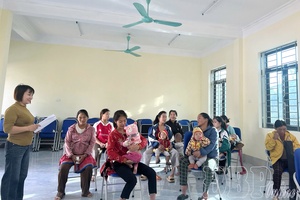
Not only focusing on physical and skill training, the program also dedicated many activities to emotional education. The “Gratitude” topic along with the activity of writing handwritten letters to families brought many emotions to the trainees. For Bùi Đặng Phúc Anh, 15 years old from Nậm Kè commune, this was an unforgettable memory as he wrote a letter telling his mother about life during the semester so his family could rest assured, and his mother replied to encourage him. This was the first time he and his parents communicated through handwritten letters, making him highly emotional and feeling more attached to his family. According to the officers in charge, the activity helped many trainees boldly express their feelings, learn to appreciate family care, and understand the value of sharing.
Lò Xuân Hạnh, Deputy Secretary of the provincial Youth Union and Head of the program organizing committee, affirmed that the Military Semester is a comprehensive educational environment for youth and adolescents. Through the training process, they hone their courage, sense of discipline, responsibility, and patriotism, while gaining a deeper understanding of the values of family affection and friendship, and learning to live responsibly for themselves and the community. The program also contributes to educating revolutionary traditions and fostering gratitude toward previous ancestral generations who heroically fought and sacrificed for national independence.
Closing the 10 days of training, what the trainees brought home was not just the skill of folding bedding, performing drill commands, or knowledge about national defense and security. The more important value brought about was the shift in the awareness and actions of each trainee. From the habit of waking up early, living tidily, and obeying discipline to knowing how to love family, share with friends, and take more initiative in life, every experience became a precious baggage in the journey of maturity for the 85 “young soldiers,” helping them grow stronger after a meaningful summer.
Nguyễn Hiền
.jpg)
.jpg)
.jpg)
.jpg)
.jpg)
.jpg)
.jpg)
You have 500/500 characters left
Please enter 5 or more characters!!!