Ensuring food safety for public health

ĐBP - Food safety is more than just a matter of daily life; it is a measure of social management quality directly linked to health, genetics, and the sustainable development of every locality.

As living standards rise and food demands diversify, the requirement to control food safety becomes increasingly urgent. In Điện Biên, this work is being deployed synchronously and decisively with specific solutions aimed at the ultimate goal of protecting public health.

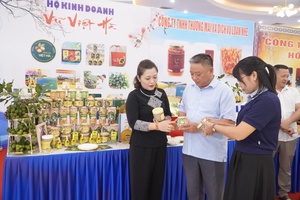
The 2026 Action Month for Food Safety, taking place from April 15 to May 15 across the entire province, carries the theme of ensuring food safety and preventing food poisoning in catering services and street food. This peak period allows various levels and sectors to increase dissemination and raise awareness among officials and citizens about the risks of unsafe food while intensifying inspections and monitoring of collective kitchens and street vendors. Publicizing information on violating establishments and safe food supply chains helps create transparency and positive social pressure, forcing businesses to comply strictly with regulations.

Reflecting on 2025, food safety assurance in the province continued to receive close guidance from party committees and local authorities. Following the merger into a two-tier local government model, the provincial people’s committee promptly consolidated the inter-sectoral steering committee on food safety and issued operational regulations aligned with the tasks. This important step created a solid legal corridor and enhanced administrative efficiency. Related departments also proactively issued guidance and decentralized management responsibilities to avoid overlaps or omissions.

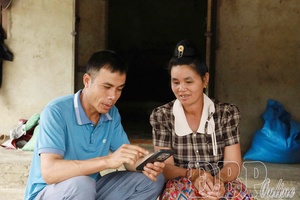
Protecting the health of people in highland areas is identified as an urgent goal.

Inspection and monitoring activities were strengthened and yielded significant results. Throughout the year, the province conducted inspections and post-inspections of 6,213 food production, processing, and business facilities. Consequently, authorities imposed administrative penalties on 165 violating establishments, suspended one facility, and destroyed various types of unsafe food. These figures reflect a determination to tighten discipline in the field of food safety while warning that violations still occur, requiring even more decisive action.

Testing and laboratory analysis were also emphasized, with inspection teams performing 9,700 rapid tests, resulting in a 99.7% pass rate. While this high rate reflects the efforts of businesses to improve quality, the failed samples serve as a warning against complacency. Notably, in 2025, the province recorded three food poisoning cases involving 21 people, including two deaths. The primary cause was natural toxins, which demonstrates that even natural food sources can be dangerous if there is a lack of understanding.

These realities necessitate a continued innovation of food safety management methods in the coming time. First, there must be a shift from pre-inspection to post-inspection combined with risk-based checks to focus resources on high-risk violation areas. The application of technology in traceability and supply chain management should be promoted to enhance information transparency and consumer trust.

Simultaneously, there is a need to strictly control high-risk sectors such as street food and collective kitchens at boarding schools, hospitals, and medical facilities. Since these locations serve large numbers of people, any incidents would cause serious consequences. Therefore, food selection must be prioritized with fresh ingredients that have clear origins and meet hygiene standards.

Another key factor is strengthening the leadership of Party committees and the management effectiveness of the local government. Leaders must be fully responsible for any serious food safety violations in their area. Furthermore, it should be clearly regulated that heads of the local government are not permitted to interfere in the supply of food to collective kitchens, particularly in schools and hospitals, to eliminate the risk of group interests and ensure objectivity.

Ensuring food safety is a long-term task that requires the involvement of the entire political system and society. Every business must enhance its sense of responsibility, and every citizen must become a wise consumer who knows how to choose and say no to unsafe food. When everyone works together, the goal of building a safe and healthy food environment for public health will become a sustainable reality.

Tùng Lĩnh
Comment

You have 500/500 characters left

Please enter 5 or more characters!!!

Recent news

  • 'Living in “green zones” in Điện Biên

    Living in “green zones” in Điện Biên

    SOCIAL AFFAIRS -
    ĐBP - “Green zones” are more than just landscapes. They are cultural spaces closely tied to the lifestyles, farming traditions, and daily practices of ethnic communities, where people have lived in harmony with nature for generations. That natural and cultural foundation is now becoming a key advantage for Điện Biên as the province shapes a greener future and builds a healthier, more sustainable living environment.
  • 'Điện Biên: Writing new chapters from glorious past

    Điện Biên: Writing new chapters from glorious past

    NEWS - POLITICS -
    ĐBP - The days of May always bring back unforgettable milestones in the history of the Vietnamese nation. And today, May 7, marking the 72nd anniversary of the Điện Biên Phủ Victory, the land of Điện Biên once again becomes a sacred meeting place where people from across the country return to remember, pay tribute to, and take pride in a victory that was “resounding across the five continents and shaking the globe” while also gaining a deeper appreciation of the value of peace today.
  • 'Vibrant spirit of sports in Điện Biên

    Vibrant spirit of sports in Điện Biên

    CULTURE - SPORTS -
    ĐBP - In a jubilant and excited atmosphere celebrating major national holidays and the 72nd anniversary of the Điện Biên Phủ Victory, the 12th Sports Festival of Điện Biên province for the year 2026 officially opened this morning at the Stadium, attracting tens of thousands of participants.
  • 'Provincial Party Secretary Trần Tiến Dũng visits Điện Biên soldiers

    Provincial Party Secretary Trần Tiến Dũng visits Điện Biên soldiers

    NEWS - POLITICS -
    ĐBP - On the occasion of the 72nd anniversary of the Điện Biên Phủ Victory (May 7, 1954 - 2026), on May 7, Trần Tiến Dũng, Member of the Party Central Committee, Secretary of the Điện Biên provincial Party Committee, and Head of the provincial National Assembly Deputy Delegation, visited and presented gifts to families of Điện Biên soldiers in Điện Biên Phủ ward.
  • 'Điện Biên women active in patriotic emulation

    Điện Biên women active in patriotic emulation

    SOCIAL AFFAIRS -
    ĐBP - Imbued with the teaching of President Hồ Chí Minh that emulation is patriotism and patriotism requires emulation, women’s organizations at all levels along with numerous members and women of various ethnic groups in Điện Biên province have continuously exerted effort, diligence, and creativity to strive for many achievements in labor, production, study, and work, creating a vibrant and widespread emulation movement.
  • 'Điện Biên in May: Rekindling flame of memory

    Điện Biên in May: Rekindling flame of memory

    NEWS - POLITICS -
    ĐBP - May in Điện Biên always carries a very special feeling. It does not arrive with the bustle of a tourist season; instead, it feels like a quietly kindled flame - glowing softly yet enduringly in memory, in people, and in the rhythm of life today.
  • 'Điện Biên announces Secretariat’s decision on personnel work

    Điện Biên announces Secretariat’s decision on personnel work

    NEWS - POLITICS -
    ĐBP - On May 7, the Standing Board of the Điện Biên provincial Party Committee held a conference to announce the decisions of the Secretariat regarding the designation of Phùng Mạnh Hùng, Chief Prosecutor of the provincial People’s Procuracy, and Senior Colonel Vương Đình Hòa, Political Commissar of the provincial Military Command, to participate in the Executive Board of the Điện Biên provincial Party Committee for the 2025-2030 term.
  • 'Private economy needs additional “leverage”

    Private economy needs additional “leverage”

    ECONOMY -
    ĐBP - Identified as one of the important drivers of the economy, the private economic sector in Điện Biên province is showing positive movements. From enterprises investing in energy, tourism, and education to agricultural processing facilities, the private sector is gradually creating more jobs, increasing the value of local products, and expanding economic development space.
  • 'Mechanization - Economic lever for rural areas

    Mechanization - Economic lever for rural areas

    ECONOMY -
    ĐBP - In recent years, farmers in Điện Biên province have been actively integrating machinery into nearly all production stages, from soil preparation and planting to harvesting, preservation, and processing. This shift has not only liberated labor but also opened a path for the development of sustainable commodity agriculture, aligning perfectly with the province’s strategic agricultural restructuring requirements.
  • 'Điện Biên emerges as rising investment destination

    Điện Biên emerges as rising investment destination

    ECONOMY -
    ĐBP - From a locality once facing numerous challenges in natural conditions and socio-economic development, Điện Biên is undergoing a strong transformation with a series of large scale projects approved for investment, opening up new development opportunities. These positive signals reflect the province’s determination and demonstrate the growing confidence of the business community in the historic land of Điện Biên Phủ.
  • 'Thorough preparation to ensure public investment efficiency

    Thorough preparation to ensure public investment efficiency

    ECONOMY -
    ĐBP - Based on Điện Biên province’s socio-economic development orientation, the preparation for investment projects expected to commence in the 2026-2030 period is being actively implemented by provincial levels and sectors with urgency, synchronicity, and strategic focus. This is a crucial task to ensure readiness, improve the quality of the project portfolio, and create a solid foundation for the effective implementation of the medium-term public investment plan.