



In Xa Dung commune, efforts to prevent child marriage remain a challenging task. Nevertheless, compared with previous years, the locality has seen positive progress, particularly with the complete elimination of consanguineous marriages.
Having worked in grassroots women’s affairs for many years, Dương Thị Ní, Head of the Women’s Union Chapter in Trống Mông village, understands the serious consequences of child marriage. According to her, many couples who marry at a very young age lack the knowledge and skills needed to raise children, negatively affecting children’s health and development as well as the overall quality of family life.
To gradually change public perceptions, Party committees, local authorities, and mass organizations in Xa Dung commune have intensified awareness-raising activities. Hờ Phái Chá, Secretary of the Party Cell of Háng Trợ village, said that information about the Law on Marriage and Family is regularly incorporated into village meetings, community organization activities, and educational sessions in schools. However, due to the influence of traditional customs, some young couples still choose to enter relationships and live together before reaching the legal marriage age, creating challenges for local advocacy efforts.
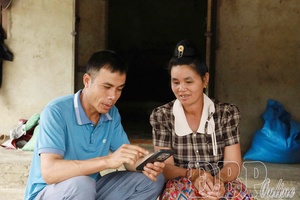
According to Lầu A Pó, a Party member in Cồ Dề village, family responsibility plays a particularly important role alongside public awareness campaigns. When parents provide guidance and firmly discourage early marriage, the risk of child marriage can be significantly reduced. Therefore, Party members regularly visit households to explain the negative consequences of underage marriage and encourage families to support their children’s education and development.
.png)
The positive changes are not limited to Xa Dung commune. In Na Son commune, many Party members have become role models in building cultured families and promoting progressive lifestyles.
Vàng Phá Sình, a Party member from Keo Lôm 3 village, shared: “I always believe that I must set a good example first for my children, grandchildren, and fellow villagers to follow. All of my children have received a proper education, and none of them married before reaching the legal age. During village meetings and Party cell activities, I regularly encourage residents to gradually eliminate child marriage and other outdated customs.”
Similar progress can also be seen in Pu Nhi commune, home to a large Mông population. In villages such as Dư O, Nậm Ngám, and Tìa Mùng, grassroots Party members have become the core force in promoting civilized and progressive marriage practices.
Through the persistent efforts of Party committees, local authorities, and Party members, many families have changed their perspectives and now place greater emphasis on education and vocational training before their children start families.
The family of Sùng A Thi in Nậm Ngám village is one such example. He explained: “Our family always encourages our children to study hard and secure stable jobs. Only when they are mature enough and have the necessary conditions do we consider marriage.”
According to Nguyễn Ngọc Hà, an official of the Party Building Committee in Pu Nhi commune, Party members are not only pioneers in economic development and poverty reduction but also key figures in disseminating Party policies and State laws among local residents. By serving as role models, many Party members have helped transform public awareness and gradually reduce child marriage, consanguineous marriage, and other outdated customs at the grassroots level.
In practice, wherever Party members effectively demonstrate leadership and exemplary conduct, public awareness campaigns tend to achieve significant results. Through practical actions such as encouraging children to attend school, delivering messages at village meetings, and patiently explaining the harmful effects of outdated customs, awareness among the Mông community has steadily improved.
As a result, harmful marriage practices are gradually disappearing, contributing to the development of a new cultural lifestyle, improving population quality, and laying a stronger foundation for sustainable development in highland communities.
A Chư
.jpg)
.jpg)
.jpg)
.jpg)
.jpg)
.jpg)
.png)
.jpg)
.jpg)
.jpg)

.jpg)
You have 500/500 characters left
Please enter 5 or more characters!!!