



The people of Điện Biên celebrate this special occasion with great reverence, hosting vibrant cultural, artistic, and sporting activities that express their deep gratitude to the Party and President Hồ Chí Minh for bringing independence and freedom to the Vietnamese nation.
During these days, the streets from Điện Biên Phủ City to remote border villages are adorned with flags, flowers, banners, and slogans celebrating Independence Day. These familiar and beloved images are deeply embedded in the hearts of every Vietnamese and the people of the heroic Điện Biên Phủ. The red flag with a golden star waving in the wind stirs national pride and profound gratitude to the Party and beloved Uncle Hồ, reminding everyone of their shared responsibility to build a prosperous and thriving homeland.
In his traditional stilt house, Cà Văn Phương, the village head of Co Mỵ in Thanh Chăn Commune, Điện Biên District, always reserves the most honoured place for a portrait of President Hồ Chí Minh. Every year, on Independence Day, Phương carefully tends to the portrait, reflecting the deep gratitude of his generation and their unwavering loyalty to the Party and Uncle Hồ. He shared emotionally, "Independence Day is also a celebration for the people, who have been liberated from the hardships and oppression under colonial rule, stepping into a new era of independence and freedom. On this special day, my family prepares an offering to express our gratitude to Uncle Hồ and our ancestors, according to the traditions of the Thái people. We also have a reunion meal, gathering our children and grandchildren. On Independence Day, our whole family enjoys participating in the village’s cultural and sports activities. It’s a feeling of happiness and pride!"
Elder Mai Vĩnh Linh, a respected figure in Tà Lèng Village, Thanh Minh Commune, Điện Biên Phủ City, shared, "Independence Day is a significant milestone for the Mông people. It was the Party, Uncle Hồ, and the revolution that liberated the Mông people from their isolated existence in the high mountains. Since then, the Mông community has enjoyed a prosperous and happy life, engaging with other ethnic groups, and adopting modern agricultural techniques. Every year on Independence Day, the Mông people eagerly descend from the mountains to celebrate Tết Độc lập and honour the Party and Uncle Hồ."
Tết Độc lập is more than just a day of profound gratitude to the Party and the great President Hồ Chí Minh for securing the nation's independence and freedom. It is also a time for the ethnic communities of Điện Biên to proudly wear their traditional costumes, partake in festive activities, and strengthen the bonds of unity among the various ethnic groups. Preparations for Tết Độc lập begin about a week before September 2nd, with homes and villages adorned inside and out. Banners and slogans are displayed throughout the villages, and every household proudly flies the national flag, with joy and excitement evident on every face. Villagers meticulously clean and tidy the streets and lanes, ensuring that everything is immaculate in time for the celebration.
Across the districts and towns of Tủa Chùa, Tuần Giáo, Mường Chà, Điện Biên, Nậm Pồ, and Điện Biên Đông, a wide range of cultural, artistic, and sporting activities, as well as traditional folk games, are organised, drawing enthusiastic participation from the local communities. Lê Thị Thanh Thùy, Director of the Cultural - Radio - Television Centre of Tuần Giáo District, shared, "To create a joyful and warm atmosphere for Tết Độc lập, and to promote patriotism among officials, Party members, and the people, Tuần Giáo District organises lively activities such as cultural performances, sports events, and traditional folk games like ball throwing (tung còn), tug-of-war, and stick pushing. These activities help preserve traditional values, strengthen unity among ethnic groups, and allow people to reflect on the nation’s proud history as we work together to develop Tuần Giáo."
"As we prepare for Tết Độc lập, our village’s performance team selects the most beautiful costumes and eagerly rehearses many special performances, praising the Party, Uncle Hồ, and the beautiful land and people of Điện Biên... to entertain the villagers," said Lường Thị Tiên, a dancer from Hua Ca Village, Quài Tở Commune, Tuần Giáo District.
The vibrant atmosphere of Tết Độc lập extends beyond the highland and border districts to historical sites such as the Điện Biên Phủ Victory Museum, A1 Hill, and Đờ Cát's bunker, which are bustling with locals and tourists eager to explore the nation’s heroic history. To attract visitors and create a special highlight for this year’s Tết Độc lập, the Điện Biên Phủ Victory Museum organised a photo exhibition titled "70 Years of the Điện Biên Phủ Victory - Echoing Heroic Epics." Additionally, the museum offered free admission to local ethnic communities on September 2nd and 3rd, ensuring the best possible service and visitor experience with ample resources, equipment, and facilities.
Alongside tours of these historical sites, the provincial cultural department also organised various cultural exchanges and ethnic sports competitions, allowing communities to immerse themselves in traditional games that contribute to the uniquely highland atmosphere of Tết Độc lập.
Throughout history, Tết Độc lập has been an occasion to preserve and promote the nation’s rich traditional cultural values. Each year, as Tết Độc lập approaches, the people’s sacred and emotional feelings are filled with faith and national pride, fostering a determined spirit of unity as they work together to build a homeland that is constantly renewing and developing.
.jpg)
Lò Thị Lan Anh from Tông Khao Village, Thanh Nưa Commune, Điện Biên District, paints the national flag on her door to express her patriotism during the National Day celebration on September 2nd.
.jpg)
People dance with the Mông *khèn* during *Tết Độc lập* in Mường Toong Commune, Mường Nhé District.
.jpg)
People participate in the traditional Mông rice cake pounding competition during the National Day celebration in Điện Biên Phủ City.
.jpg)
Nà Sự Village in Chà Nưa Commune, Nậm Pồ District, is a popular community tourism destination, favoured by travellers on their journey to conquer the westernmost point of A Pa Chải.
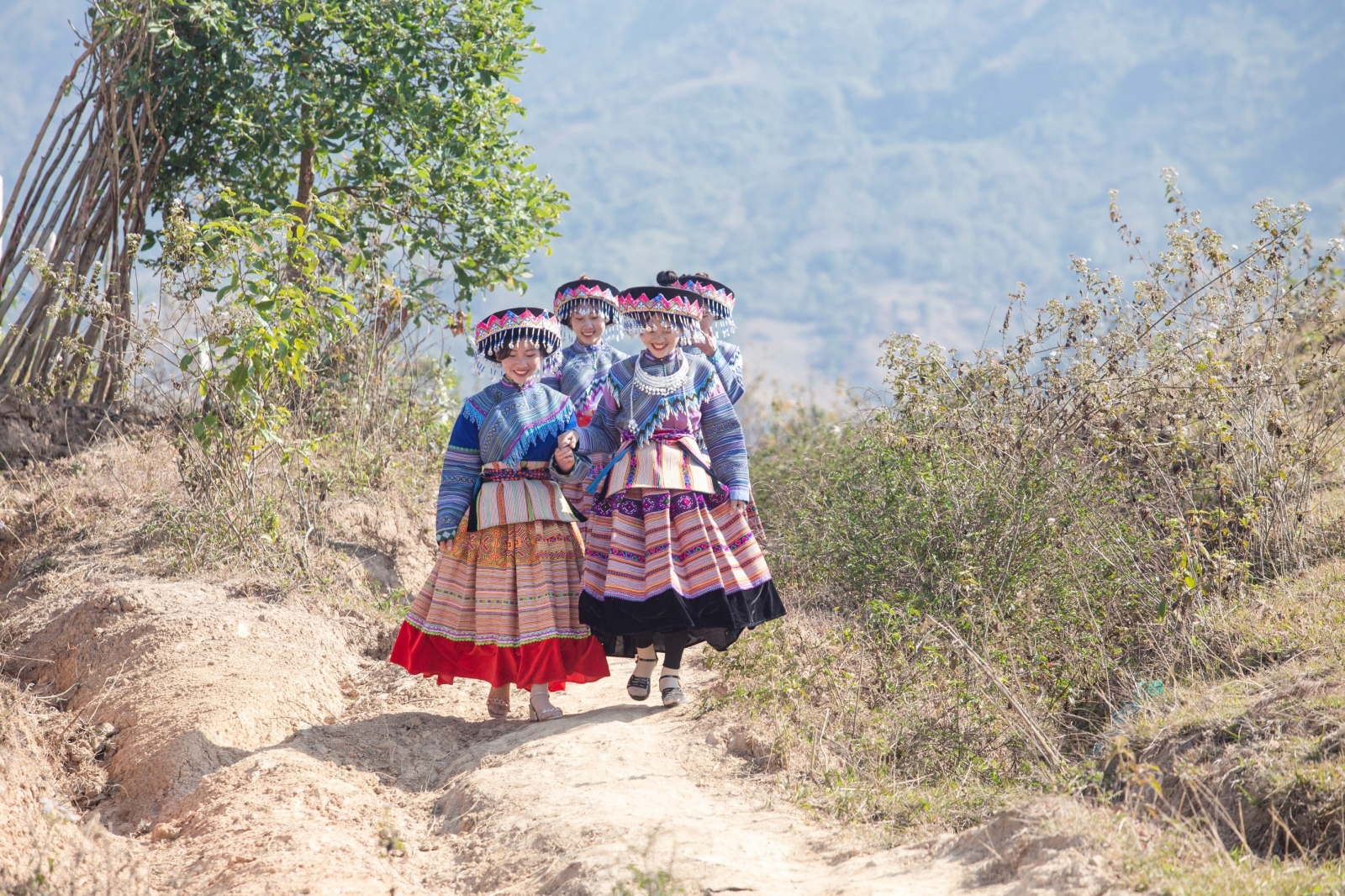
Young Mông women in their colourful traditional attire head to the market to celebrate *Tết Độc lập*.
.jpg)
Thái ethnic children play the traditional game.
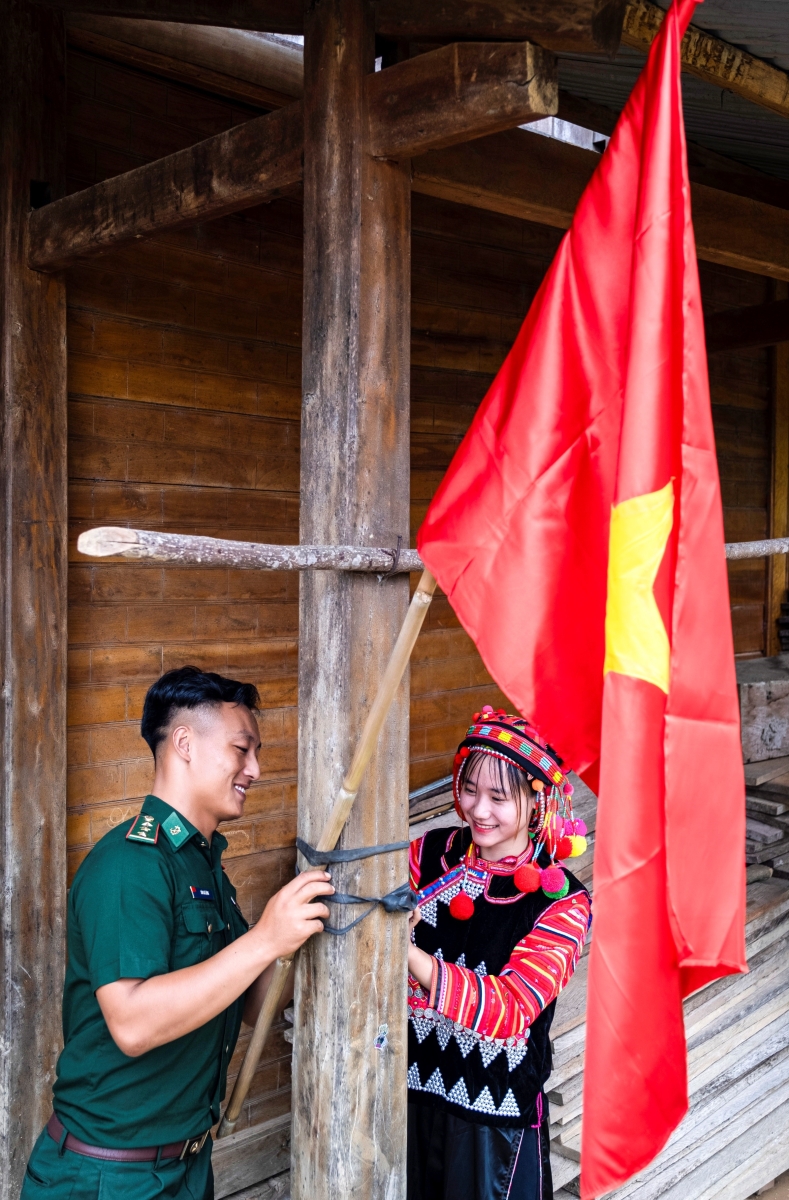
Residents of Tả Ló San Village, Sen Thượng Commune, Mường Nhé District, hang the national flag in celebration of National Day.
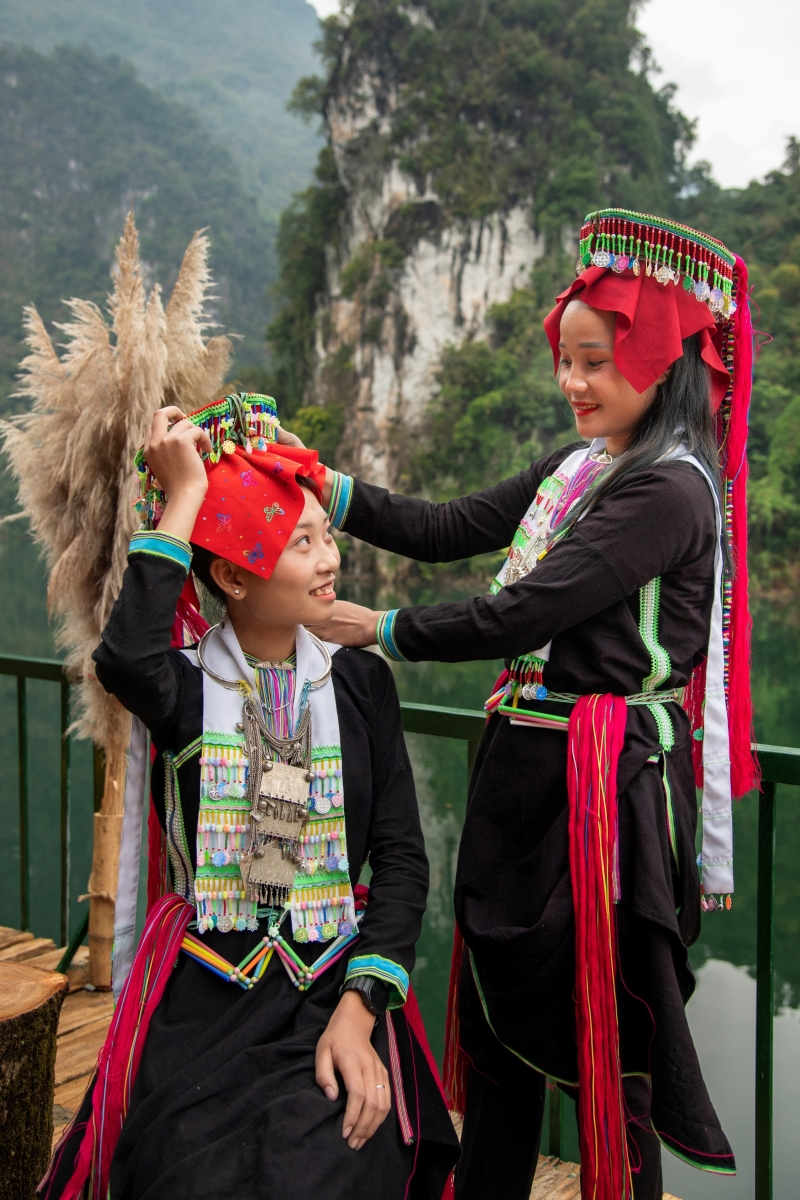
Dao ethnic girls in Huổi Só Commune, Tủa Chùa District, prepare their traditional attire to participate in cultural activities during the National Day celebrations.
Sầm Phúc
.jpg)


.jpg)
.jpg)


.jpg)


.jpg)

.jpg)
.jpg)
.jpg)
.jpg)
You have 500/500 characters left
Please enter 5 or more characters!!!