



With the goal of developing tourism into a key economic sector, Điện Biên is creating even more memorable experiences through community-based tourism, where visitors can experience local daily life, try their hand at weaving, watch traditional khèn performances and enjoy the friendliness and simplicity of highland residents.
There are no modern entertainment complexes, high-rise buildings or teams of tour guides providing explanations and directions. Yet Điện Biên leaves visitors with unforgettable memories through the simple daily activities of highland communities. Although these are ordinary tasks for local people, trying them firsthand brings visitors a sense of excitement and lasting impressions. From community-based tourism villages to traditional markets; from grinding corn and pounding rice to catching crabs and snails; from watching khèn dances and listening to the pí flute to trying their hand at weaving, embroidering scarves and making mèn mén (a traditional Hmong dish made from steamed ground corn) - all these activities and experiences create an impression of a simple Điện Biên nestled amid the mountains and forests of the Northwestern region.
.jpg)
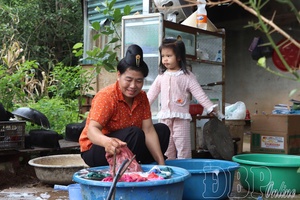
At Lồng village in Quài Tở commune, visitors are captivated by the peaceful road winding through green forests and by a range of memorable hands-on experiences. Trying to live like the Hmong people of Lồng village by grinding corn to make mèn mén, embroidering patterns on skirts and shirts or heading into the rice fields to catch snails offers visitors an enjoyable way to explore local life. Many people may think grinding corn and pounding rice are simple tasks when they merely watch others do them, but trying them themselves reveals just how challenging they can be. Watching Hmong women deftly grind corn with stone mills to produce fine, soft corn flour for mèn mén, anyone might think it looks easy. Yet when they try it themselves, many visitors work up a sweat without managing to turn the stone mill enough to crush the corn kernels. Through the experience, visitors gain a deeper appreciation of the hard work involved in everyday life in the highlands.
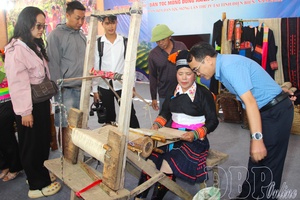
Weaving and embroidering scarves are activities for those who are truly patient and persistent. To complete a traditional outfit, Hmong women painstakingly embroider each stitch and pattern. Patterns depicting flowers, plants, trees and domestic animals are embroidered onto brocade fabrics in accordance with local beliefs, creating a rich array of cultural colors. More importantly, these crafts represent the preservation of cultural values passed down through generations.
The friendliness and hospitality of highland communities are another feature that leaves a lasting impression on visitors. Local people welcome guests with warm smiles and genuine hospitality. Their natural and sincere character seems as inseparable from the mountains and forests as the air they breathe. Along roads winding through vast mountain landscapes, visitors never feel entirely alone, as they can always catch glimpses of local residents. When visitors are unsure about something, local people are happy to offer guidance; they may even give up their own sleeping space or show visitors the way without asking for anything in return. Many consider this a distinctive cultural beauty of highland communities. Living amid pristine nature has fostered strong community bonds, friendliness and genuine hospitality among ethnic minority communities.
In the highlands, traditional markets are not merely places where local people buy, sell and exchange goods; they are also spaces for cultural exchange and community connection. When visitors arrive on a market day, they can freely explore local products that residents bring down from their homes, gardens and upland fields to sell and exchange. Highland residents in colorful traditional clothing carry forest vegetables, corn wine, brocade products, wild apple and other local specialties to the market. Sometimes, visitors may even encounter people who bring no products at all but simply come to see the people and enjoy the atmosphere.
.jpg)
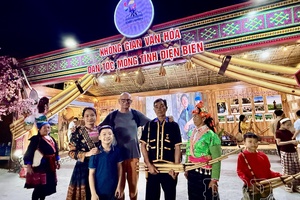
The Rạng Đông traditional market in Pú Nhung commune leaves an impression with products from home gardens and upland fields that local residents bring to trade. Handcrafted khèn and flutes, meticulously made, carry the distinctive cultural identity of the Hmong people. Life here is simple and unpretentious.
The Tù Lu - Tìa Ló community-based tourism site impresses visitors with traditional clothing, familiar local dishes and folk games set against a vibrant cultural backdrop. Tù lu spinning tops whirl across the ground amid the cheers and encouragement of residents and visitors. Nearby, tug-of-war and crossbow shooting attract visitors not only as spectators but also as participants, allowing them to laugh, have fun and immerse themselves in the lively atmosphere of games, encounters and cultural exchange. Watching and taking part in folk games is one way of bringing traditional culture closer to visitors.
Amid the pristine, refreshing surroundings of forests and waterfalls, experiencing the distinctive culture of local communities firsthand and enjoying traditional dishes offer visitors a deeper understanding of local culture and a greater appreciation for their homeland and country.
The simple pleasures of folk games, the rhythmic sound of pestles pounding cakes, the friendly smiles of highland residents and the colorful patterns on traditional clothing are gradually creating a distinctive appeal for Điện Biên. Come to Điện Biên to learn, explore and experience, and discover the enduring beauty of its nature, people and culture.
Hà Anh
.jpg)
.jpg)
.jpg)
.jpg)
.jpg)

.jpg)
.jpg)
.jpg)
You have 500/500 characters left
Please enter 5 or more characters!!!