
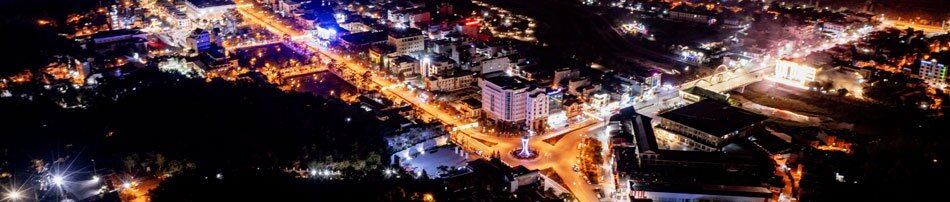
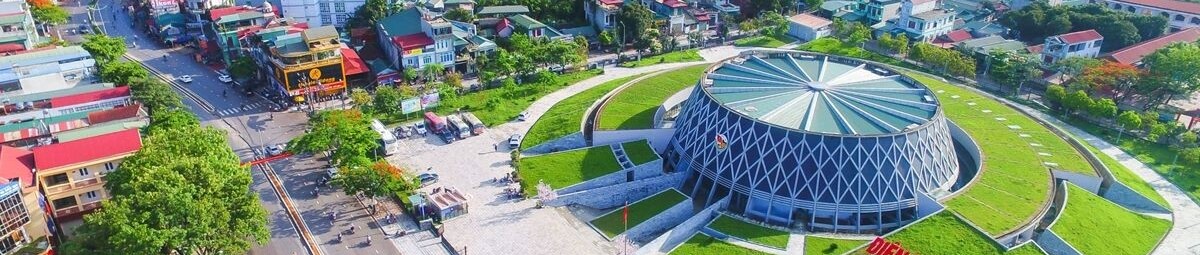
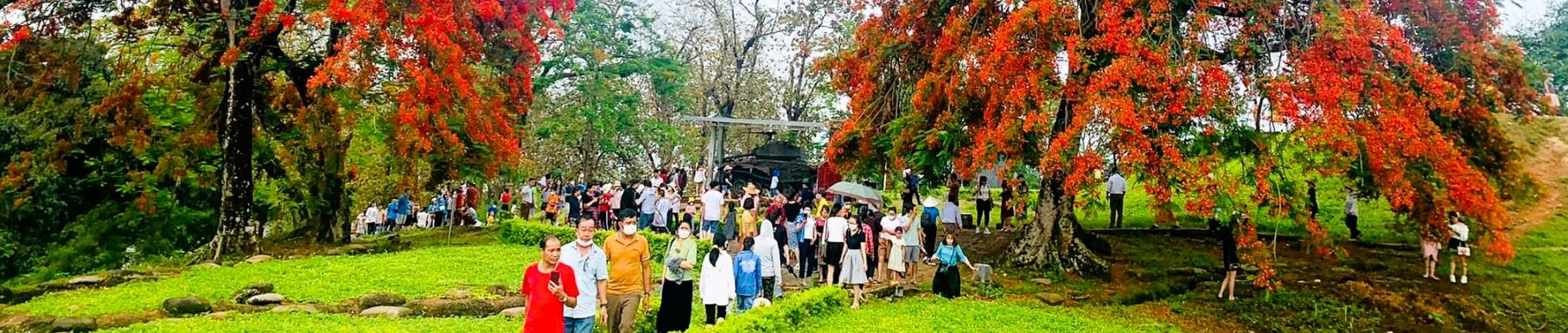
Beautiful landscapes can attract visitors, but a clean environment, well-preserved cultural spaces, and friendly experiences are what create long-lasting appeal. Clearly recognizing this, over the past time, the provincial Culture, Sports, and Tourism sector has implemented numerous solutions to link tourism development with environmental protection, thereby gradually raising community awareness and responsibility in building green and welcoming destinations.
Nguyễn Thị Thanh Chuyên, Deputy Director of the Department of Culture, Sports, and Tourism, said: The Department has coordinated with various departments, sectors, units, and local authorities to intensify environmental protection communication through diverse forms, aiming to enhance awareness and a sense of responsibility among officials, tourism workers, businesses, tourists, and local residents. Alongside this, the Department directs specialized agencies to build experience-oriented tourism products, encourage visitors to participate in environmental and landscape protection activities, and mobilize accommodation facilities and tourist attractions to prioritize eco-friendly materials.
Currently, many localities have proactively adopted approaches suitable to actual conditions, placing residential communities at the center of building green, clean, and beautiful destinations. Instead of focusing solely on investing in physical facilities for visitors, community tourism models increasingly emphasize preserving natural landscapes, promoting indigenous cultural values, and transforming lifestyles towards civilized and environmentally friendly practices.
Nà Sự community tourism village, Mường Chà commune, is one of the bright spots. Coming here, visitors easily notice pebble-paved roads, woven bamboo fences, and a lighting system using wooden poles. Along Nậm Bai stream, water wheels have been restored, both creating highlights for the landscape and recreating the distinctive cultural features of the Thái ethnic people. Remarkably, these items were built directly by local officials and residents.
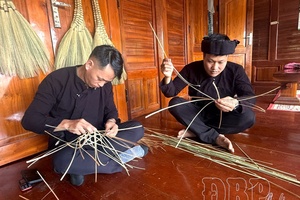
Khoàng Văn Van, Permanent Deputy Secretary of the Party Committee of Mường Chà commune, said: Currently, the locality is actively taking action, guiding and supporting residents in developing the tourist attraction in line with ASEAN standards. From physical facilities to items serving visitors, priority is given to locally available materials crafted by residents themselves. Dishes are also prepared from local and family produce. Thereby, Nà Sự community tourism aims for environmental friendliness while providing tourists with authentic experiences of the cultural and spiritual life of the Thái ethnic people.
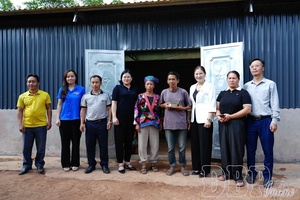
Also one of the localities focusing on community tourism development, Huổi Nhả village, Mường Pồn commune, pays special attention to changing residents’ living habits to ensure environmental sanitation. As a purely agricultural village of 34 households, 100% of whom are Hmông ethnic people, Huổi Nhả still preserves pristine features in housing architecture and cultural activities. This is an advantage for developing community tourism, but also poses requirements for maintaining a clean living environment, especially in residential areas and within each household.
Lầu A Khai, head of Huổi Nhả village, said: The village mobilized 100% of households to relocate all livestock and poultry barns to separate areas away from living quarters. At present, there is no longer free-range livestock grazing or indiscriminate defecation. Woven bamboo trash bins are placed around the village, with specific guidance boards for residents and visitors to follow.
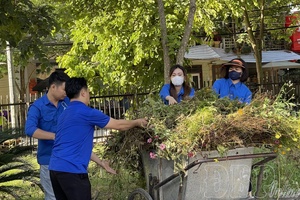
Along with changing living habits, Huổi Nhả established a Community Tourism Development Board to serve as a focal point for managing and operating related activities. The Board regularly mobilizes residents to actively clean intra-village roads, embellish landscapes, and join hands in constructing facilities serving visitors’ needs. Thereby, environmental protection has gradually become a routine activity tied to the responsibility of each household, rather than taking place only during campaign launches.
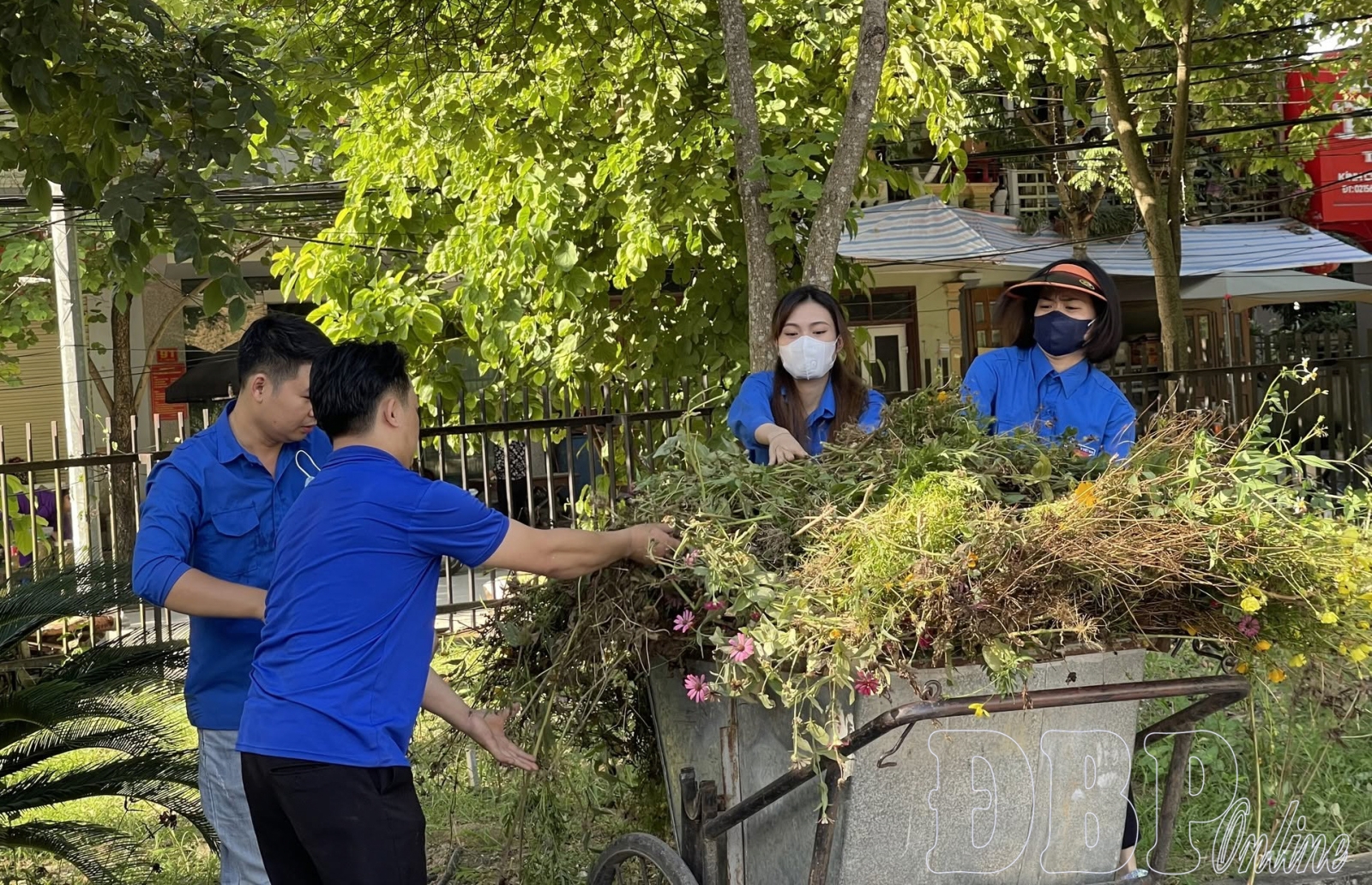
For such grassroots practices to be replicated, the guiding and supporting role of functional agencies is of great significance. Over the past time, the Department of Culture, Sports, and Tourism has issued multiple guiding documents and organized environmental protection training courses for grassroots officials, relic management boards, tourist area and site management boards, tour guides, and tourism service businesses, organizations, and individuals. In localities, especially those oriented towards tourism development, numerous mass-participation environmental protection models have been established. Officials, workers, and citizens jointly clean streets and public recreation areas, and collect waste in residential areas and sightseeing sites.
Accommodation facilities and tourist spots also proactively use eco-friendly materials and products, plant and care for trees, and sign contracts with functional units for waste collection, transport, and treatment according to regulations. These activities contribute to improving landscapes, enhancing service quality, and gradually building the image of Điện Biên tourism as safe, welcoming, and environmentally responsible.
Hà Linh

You have 500/500 characters left
Please enter 5 or more characters!!!