



In response, localities across the province are translating Resolution 11 into concrete tasks and solutions tailored to on-the-ground conditions.
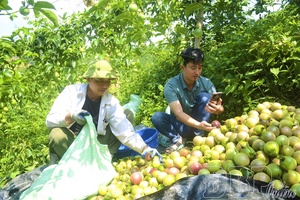
Tapping into its land, climate and soil advantages as well as public support, the border commune of Mường Chà has set targets of developing 1,000 hectares of coffee and 500 hectares of macadamia. Since February 2026, residents in all 29 hamlets have joined efforts to prepare coffee seedlings, contributing an estimated 6,000 workdays.
Nguyễn Hữu Đại, Chairman of the Mường Chà commune People’s Committee, said the commune has mobilized broad community support to build a concentrated coffee-growing area and create sustainable livelihoods. Civil servants and public employees contributed more than VND 400 million to purchase 600 kilograms of seeds, with nurseries launched in late 2025. Germination rates have exceeded 95 percent. Residents have volunteered labor, machinery and land for seedling preparation. The seedlings are expected to be distributed to registered households for planting at the start of the rainy season, in line with technical standards.
.jpg)
To build public consensus, Mường Chà began outreach early in the current term. Five working groups were dispatched to hamlets to promote the economic potential of coffee and explain relevant policies and local advantages. Commune leaders, technical staff, hamlet heads and selected farmers also visited coffee projects in Quài Tở commune and Tuần Giáo district to learn from established models.
Elsewhere, implementing Resolution 11’s priority on safe, efficient livestock development, Chiềng Sinh commune is moving ahead with preparations for the Mavin Điện Biên high tech livestock and processing complex. Invested by Mavin Group Joint Stock Company, the project carries estimated capital of VND 400-450 billion and spans 200-250 hectares. It includes an animal feed plant, agricultural processing facilities, an organic fertilizer plant, a pig breeding center and a biological buffer forest area, all applying modern, environmentally friendly technologies.
Following provincial approval of the investment in December 2025, Chiềng Sinh authorities swiftly launched groundwork to facilitate implementation.
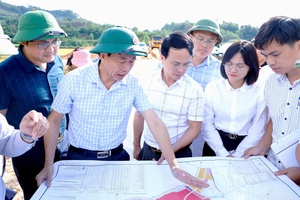
Đỗ Văn Sơn, Chairman of the Chiềng Sinh commune People’s Committee, said a task force was set up to verify land origins and develop site clearance plans. Meetings were held with Party cells, hamlet heads and community representatives in Hiệu and Dửn hamlets to fully brief residents on the project’s objectives and scale. As a result, all 174 households in Hiệu hamlet agreed to the plan, and 65.017 hectares of community-managed forest land were handed over to the State for project implementation. In Dửn hamlet, all 125 households gave their consent, transferring 43.89 hectares of community land. With strong public backing, Chiềng Sinh is ready to welcome the investor and advance the next steps.
Developments in Mường Chà and Chiềng Sinh underscore that when commune-level authorities take the lead: fostering communication, mobilizing support and building consensus, major policies can quickly translate into tangible action. That momentum lays the groundwork for Resolution 11 to take root, paving the way for a concentrated commodity-based agricultural sector that boosts production value and secures sustainable livelihoods in the years ahead.
Nguyễn Hiền
.jpg)

.jpg)
.jpg)
.jpg)
.jpg)
.jpg)
.jpg)
.jpg)
.jpg)
.jpg)
You have 500/500 characters left
Please enter 5 or more characters!!!