



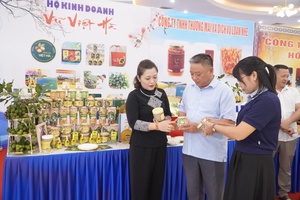
Thanks to these efforts, local infrastructure and the rural landscape have flourished, with the average per capita income rising from VND 21.84 million in 2021 to VND 54 million in 2025.
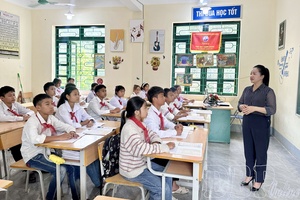
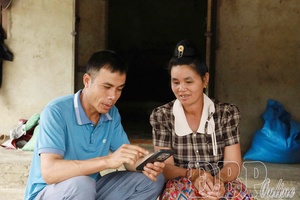
Regarding the Sustainable Poverty Reduction Program, the entire province implemented 326 models and projects to support production development, creating stable jobs and income for poor and newly escaped poverty households. This contributed to reducing the provincial poverty rate from 34.9% in 2021 to 17.76% by 2025. Meanwhile, the Socio-economic Development Program for Ethnic Minorities and Mountainous Areas completed 15 out of 23 core targets. Notably, 100% of communes now have asphalt or concrete roads leading to their centers, 94% of people have access to hygienic water, and medical stations have been built permanently. These essential infrastructures have created a foundation for socio-economic growth and improved the quality of life for residents.
.jpg)
For the 2026-2030 period, the province aims to increase the average income of rural residents by 2.5 to 3 times compared to 2020. Specifically, the income of ethnic minorities should reach at least half of the national average, the multidimensional poverty rate in these areas should drop below 10%, and essentially no “extremely difficult” communes or villages should remain by 2030. To achieve this, the total capital requirement for the province’s national target programs is estimated at over VND 31,395 billion, of which the Central budget accounts for more than VND 31,316 billion. For the year 2026 alone, the total capital need is VND 5,741.756 billion. Capital allocation is prioritized to definitively resolve urgent issues like clean water and housing for the poor before investing in secondary infrastructure. The province also plans to decentralize authority to commune-level People’s Councils to decide on detailed annual investment plans for small-scale projects to maximize local proactivity.
Nà Bủng is one of the border communes still facing significant material hardships and requiring massive investment, especially in remote villages. A review shows that the commune’s medium-term public investment demand for 2026-2030 is VND 279.2 billion for 25 key projects. This includes essential traffic routes like the road to Trên Nương - Nậm Tắt 2 and the Huổi Khương - Trên Nương route, with a total investment of about VND 50 billion. These works are vital for improving transportation, helping residents access better healthcare and education. Additionally, the Nà Bủng border market project, valued at VND 6.5 billion, is expected to boost trade and border economic development.
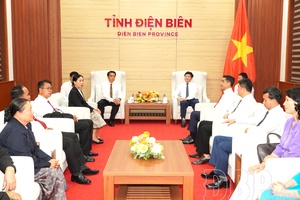
To prepare for the upcoming phase, the provincial People’s Committee has directed localities to build project lists and assign specific tasks following the principle of “clear people, clear work, and clear completion time.” The Department of Agriculture and Rural Development serves as the standing agency responsible for synthesizing the medium-term plan and guiding communes to establish steering committees. Meanwhile, the Department of Finance is advising on the medium-term public investment plan to ensure the required reciprocal capital.
However, the Central government has not yet allocated capital for the entire period or for individual years, and several guiding documents have yet to be issued. The provincial People’s Committee has requested that ministries and sectors soon complete the legal framework and issue full circulars for each sub-project. They also requested an early announcement of the expected medium-term capital so that the locality can prioritize projects. Experience from the 2021-2025 period shows that the late issuance of guidance was a primary cause of “bottlenecks” in capital disbursement. Therefore, perfecting the mechanism right at the start of the 2026-2030 phase is decisive for the programs’ success.
Anh Nguyễn
.jpg)
.jpg)
.jpg)
.jpg)
.jpg)
.png)
.jpg)
.jpg)
.jpg)
.jpg)
.jpg)

You have 500/500 characters left
Please enter 5 or more characters!!!