



In 2025, a number of infectious diseases such as measles, influenza, diarrhea, chickenpox, hand, foot and mouth disease in the province had complicated developments. The whole province recorded more than 1,250 measles cases, over 6,000 flu cases, nearly 7,500 diarrhea cases, and about 600 chickenpox cases. However, thanks to the timely deployment of early detection measures, zoning, and thorough handling of outbreaks, the disease situation was basically controlled, not allowing it to spread on a large scale.
According to Doctor Phạm Đức Tài, Head of the Department of Infectious Disease Control under the provincial Center for Disease Control, grasping the motto “Prevention is better than cure,” the health sector proactively strengthened epidemiological surveillance, early detection, and timely handling of outbreaks, preventing them from breaking out into large epidemics, thereby maintaining stability in the disease situation in the area. Reasonable treatment zoning, synchronous deployment of preventive measures, and adequate preparation of medicines, chemicals, and medical supplies contributed to minimizing severe cases and deaths.
One of the pillars of preventive medicine is the Expanded Immunization Program, which continues to be implemented effectively throughout the province. Most vaccination targets for children met and exceeded the plan, in which the rate of children under 1 year old fully vaccinated reached over 96.9%.
.jpg)
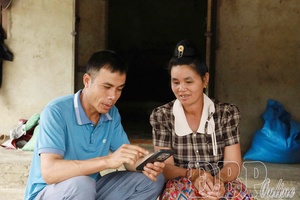
To achieve this result, commune and ward health stations actively reviewed subjects, implementing the motto “go to every alley, knock on every door, check every child,” ensuring no child of vaccination age is left behind, especially in remote, isolated, and ethnic minority areas. Along with preventing infectious diseases, the prevention of non-communicable diseases was also strengthened right at the grassroots health level. The system of commune and ward health stations and regional health centers promoted screening, early detection, management, and monitoring of chronic diseases such as hypertension, diabetes... Tens of thousands of patients are managed and treated stably in the community, contributing to reducing the load for upper-level hospitals, while helping people in remote areas access regular and convenient medical services.
At the Sam Mứn commune Health Station, the unit is managing healthcare for over 8,000 people in 20 villages; disease prevention and control work is deployed closely and methodically. In 2025, diseases such as flu and diarrhea only appeared sporadically, without generating large outbreaks. The station always prepares enough medicines, chemicals, and supplies to be ready to handle cases; strengthening surveillance, early detection, and timely zoning. Disease reporting work is carried out seriously, in accordance with regulations, and updated regularly on specialized software. At the same time, promoting communication in the community through many forms; coordinating with mass organizations and schools to disseminate and consult directly, contributing to increasing vaccination coverage. Specifically, the rate of children under 1 year old receiving full 8 types of vaccines in the commune reached over 97%.
Along with disease control, the Điện Biên health sector pays special attention to communication and health education so that people can proactively prevent diseases. Many localities maintain broadcasting health bulletins in ethnic languages on the grassroots loudspeaker system; organize training to improve professional capacity for medical staff, especially on safe immunization and handling disease situations. Thereby, step by step raising awareness and changing people’s behavior in health care and protection.
Đoàn Ngọc Hùng, Director of the provincial Center for Disease Control said that Điện Biên is a mountainous, border province with a large area, difficult traffic, scattered population, and uneven intellectual levels, while climate change is increasingly complicated, making the risk of disease always potential. Therefore, preventive medicine plays a specially important role in the strategy of protecting the People’s health. Recently, thanks to the drastic direction of the province and the health sector, the disease surveillance system has been operated continuously from the provincial to the grassroots level, helping to detect early, handle quickly, and not let diseases spread widely. High vaccination rates create sustainable community immunity; non-communicable disease management helps many people in difficult areas be monitored for health regularly right in the locality.
Currently entering the seasonal transition, the risk of infectious disease outbreaks increases, the health sector continues to establish working groups to directly support the grassroots in monitoring and thoroughly handling outbreaks; strictly reviewing vaccination subjects, leaving no one behind, especially in areas where epidemics have appeared.
At the same time, directing examination and treatment facilities to ensure good reception, emergency, and treatment; having proactive plans when the number of hospital admissions increases; strictly implementing infection control and preventing cross-infection in hospitals. With correct orientation, synchronous solutions, and the involvement of the entire political system, preventive medicine and grassroots-level healthcare of Điện Biên province is step by step promoting the pillar role in protecting, caring for, and improving the people’s health, contributing to creating a solid foundation for sustainable socio-economic development in the new period.
Minh Thảo


.jpg)


.jpg)
.jpg)
.jpg)
.png)
.jpg)
.jpg)
.jpg)
.jpg)
.jpg)
.jpg)
You have 500/500 characters left
Please enter 5 or more characters!!!