



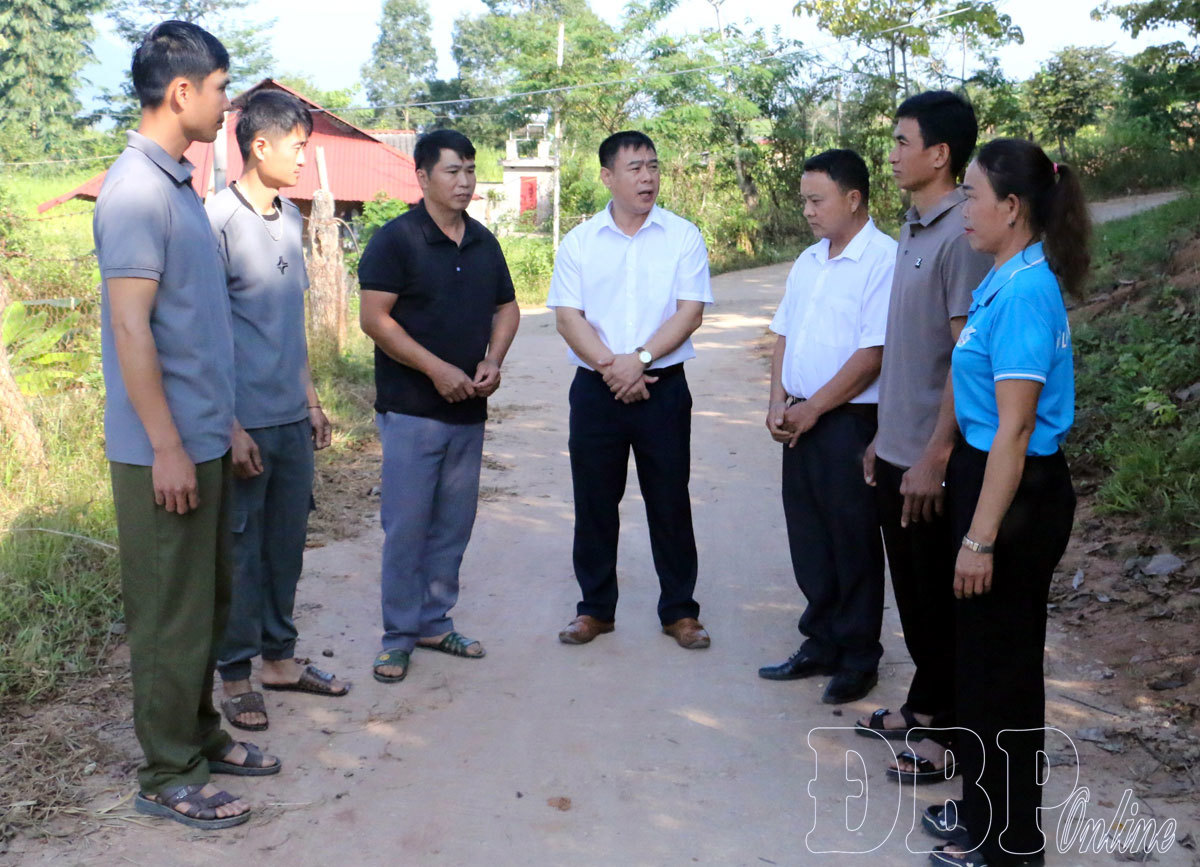
In Nậm Chim village, the implementation of the project to build Si Pa Phìn Ethnic Boarding Primary and Lower Secondary School gave rise to several concerns regarding residents’ rights and interests. Affected households requested compensation and support for land and property, while four households with farmland and homes near the construction site sought convenient access routes after the area was enclosed by fencing.
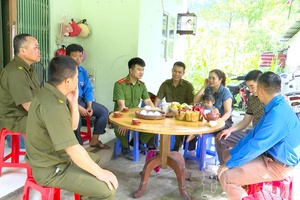
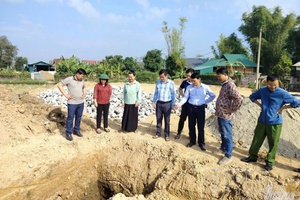
In response to residents’ concerns, the Si Pa Phìn Commune People’s Committee coordinated with the project investor to review the cases and provide compensation and support in accordance with regulations. On April 29, 2026, local authorities, the investor and affected households held further discussions and agreed on a plan to open a new access road. The issues were resolved in a manner that safeguarded residents’ legitimate rights and interests and built consensus on the project’s implementation. Following the meeting, residents agreed to the proposed solution and no longer pursued their petitions.
Mùa A Tú, Head of Nậm Chim village, said issues directly affecting residents’ rights and interests had been promptly identified and reported to local authorities. The village head worked with commune officials to discuss and explain policies and guidelines to residents while seeking solutions to emerging difficulties. This approach helped prevent prolonged complaints and maintain solidarity within the community.
As a mountainous border commune with a large area and scattered population, Si Pa Phìn faces considerable challenges in implementing grassroots democracy. In recent years, the Party Committee and Commune People’s Committee have focused on directing the implementation of the Party’s guidelines and the State’s policies and laws on grassroots democracy.
In 2026, the Commune People’s Committee issued Plan No.744/KH-UBND on implementing grassroots democracy, while the Commune People’s Council adopted Resolution No.12/NQ-HDND on measures to ensure the exercise of democracy in the locality.
Grassroots democracy is linked to socio-economic development, new rural development, sustainable poverty reduction, and national defense and security. Policies, investment programs and projects, budget estimates and final accounts, as well as contributions mobilized from residents, are made public in accordance with regulations.
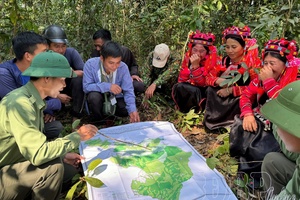
The commune continues to hold community meetings, post information at cultural centers, organize public consultation conferences and disseminate information directly to households. Issues affecting community interests are brought up for discussion, giving residents opportunities to express their views, participate in deliberations and reach agreement on implementation.
During the reorganization of villages, local authorities conducted public information campaigns and consultations with residents in accordance with regulations, helping build consensus among officials, Party members and local people. Authorities have also placed greater emphasis on receiving residents, holding dialogues and addressing petitions and feedback.
Since the beginning of the year, the commune has held 11 citizen reception sessions and received 12 petitions and complaints. One submission outside its jurisdiction was referred to the competent agency. Of the 11 cases within its jurisdiction, eight have been fully resolved, while the remaining three are still under review and being addressed.
Lê Quang Trinh, Chairman of the Si Pa Phìn Commune People’s Committee, said the locality prioritized making information that residents need to know publicly available, while strengthening dialogue and listening to feedback at the village level.
Petitions falling within the commune’s authority are reviewed and addressed. For cases requiring more time or resources, local authorities clearly inform residents so they understand the situation. Implementing grassroots democracy, he stressed, must be linked to accountability for concrete tasks and outcomes, rather than stopping at meetings or the dissemination of policies.
However, further efforts are needed to ensure that grassroots democracy takes deeper root in Si Pa Phìn. Legal education and public awareness campaigns have not been maintained regularly, and their effectiveness varies among villages. Some residents remain less engaged in providing feedback and community oversight. At times, public information has not been disclosed promptly, while access to information remains limited in some areas.
In the coming period, Si Pa Phìn commune will continue to renew its public communication efforts and bring regulations on grassroots democracy closer to residents. It will also strengthen the responsibility of local leaders in receiving citizens, holding dialogues and addressing petitions.
At the same time, the commune will promote the role of the Vietnam Fatherland Front and socio-political organizations in social monitoring and criticism, ensuring that residents’ lawful and legitimate rights and interests are protected.
Nguyễn Anh




You have 500/500 characters left
Please enter 5 or more characters!!!