



Operating under the motto of cadres and Party members setting the example first, coupled with the administration’s accompaniment and practical technical guidance, the locality is step-by-step forming concentrated growing zones, contributing to driving sustainable economic development.
Party members take the lead
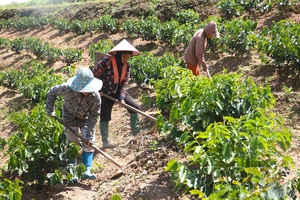
In the closing days of October 2026, across the swidden lands of the border commune of Nà Hỳ, many households took advantage of favorable weather to clear weeds and hill up soil around newly planted coffee and macadamia trees. Rows of rooted, green-leaved trees have replaced areas previously planted with corn, cassava, or upland rice. This result serves as testament that the people of Nà Hỳ commune are progressively changing their mindsets and production methods to effectively exploit the existing agricultural production land fund.
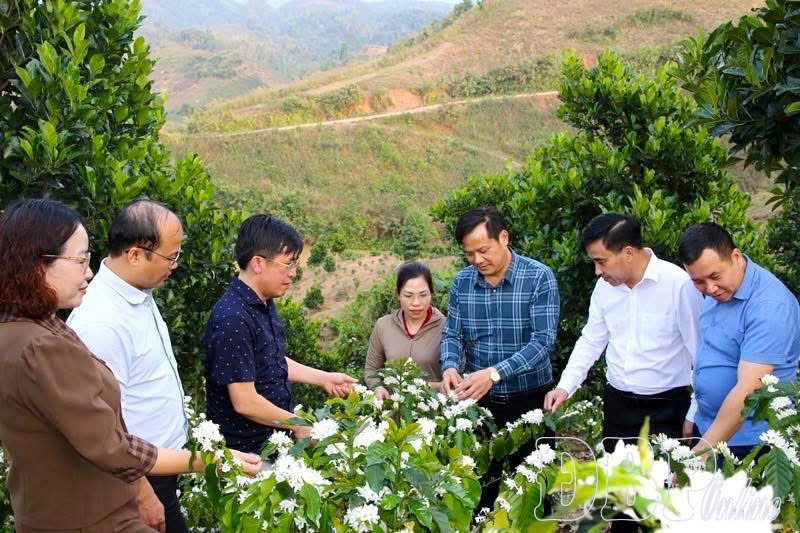
As a locality with dissected terrain and steeply sloping production land, organizing concentrated production in Nà Hỳ commune encounters difficulties. Meanwhile, agricultural production retains a vital role in the residents’ livelihoods. Therefore, selecting crops suited to soil and climate conditions, capable of generating long-term economic value, was identified by local Party committees and administrations as an essential orientation. Macadamia, coffee, and cinnamon were selected to replace low-efficiency crops, step-by-step forming raw material zones, elevating incomes, and generating stable livelihoods for the people. This orientation aligns with the province’s policy of developing the low-altitude airspace economy.
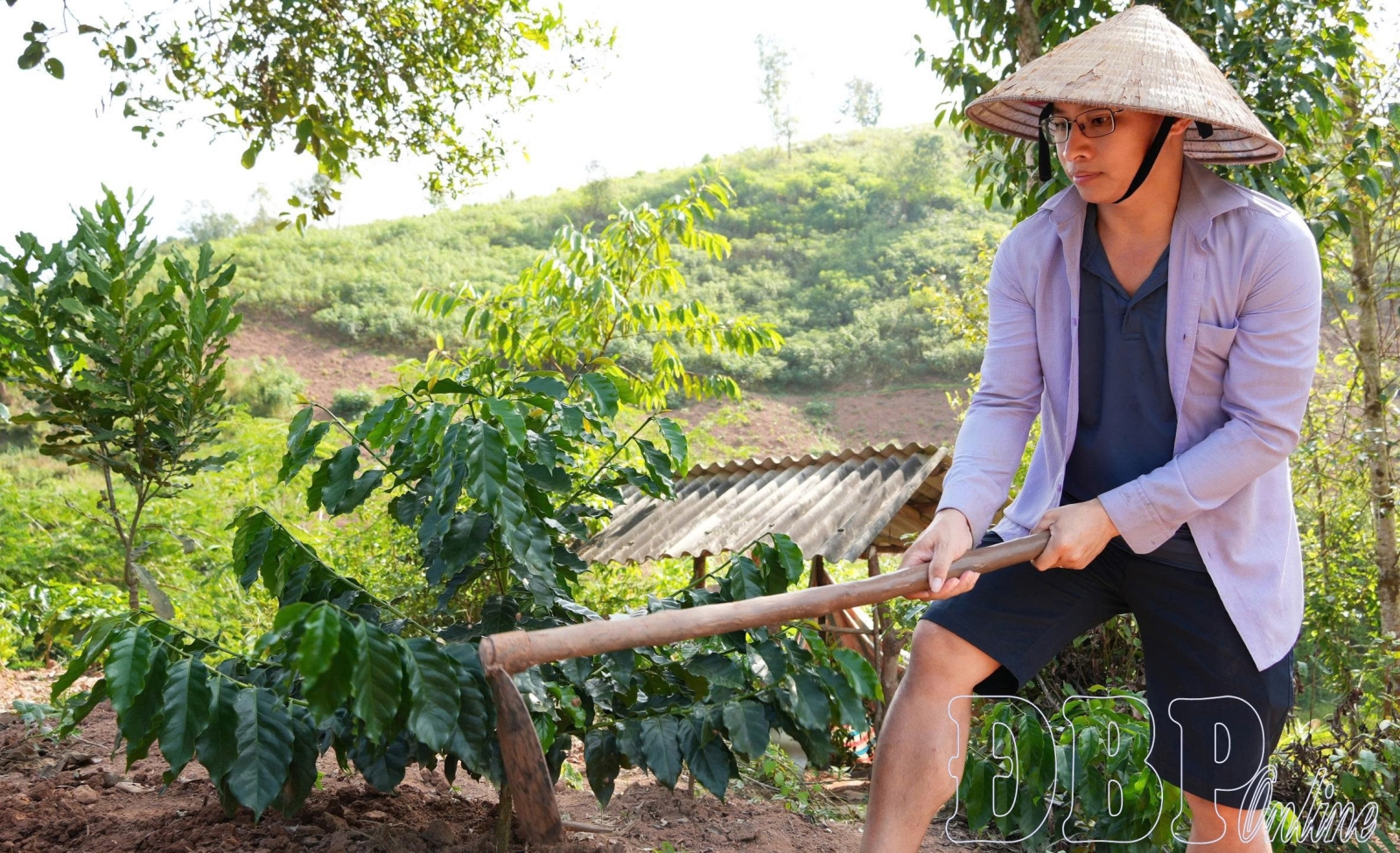
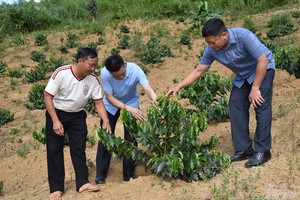
In Phiêng Ngúa village, Quàng Văn Do, Head of the village Farmers’ Association Chapter, proactively introduced coffee into production in early 2026. From accumulated farming experience, he realized crop restructuring required preparation regarding soil, seeds, and care techniques. As a Party member, he determined that he and his family had to pioneer the effort, providing a model for local residents to observe and learn from before deciding to restructure their own crop acreage.
Quàng Văn Do shared: “Previously, my family primarily grew short-term crops like corn and cassava. Upon receiving communication and guidance from commune cadres, I boldly switched to planting coffee. With new crops, one must learn how to plant and care for them using correct techniques. As a Party member, my family does it first and tends them well so villagers can see the efficiency, and from there, we can restructure crops together and create stable livelihoods.”
Greening the steep slopes
Originating from pioneering households like Do’s family, crop restructuring in Nà Hỳ is gradually being embraced by many residents. Beyond acreage supported through production development projects, residents proactively invest, expand areas, and restructure crops using family resources. This demonstrates a positive shift in awareness and the mindset of selecting suitable crops and investing methodically for long-term production.
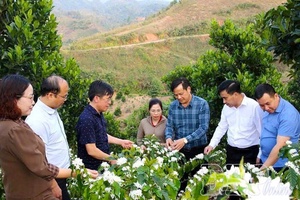
In the process of restructuring crops, the contingent of cadres and Party members in the villages is identified as the core force. Based on land conditions and investment capacity, each individual proactively selects a suitable model, directly executes it, and shares experiences with villagers. Through practical models, communication and mobilization work gains persuasive power, helping residents clearly understand care techniques, basic capital construction timeframes, and the economic efficiency of each crop type.
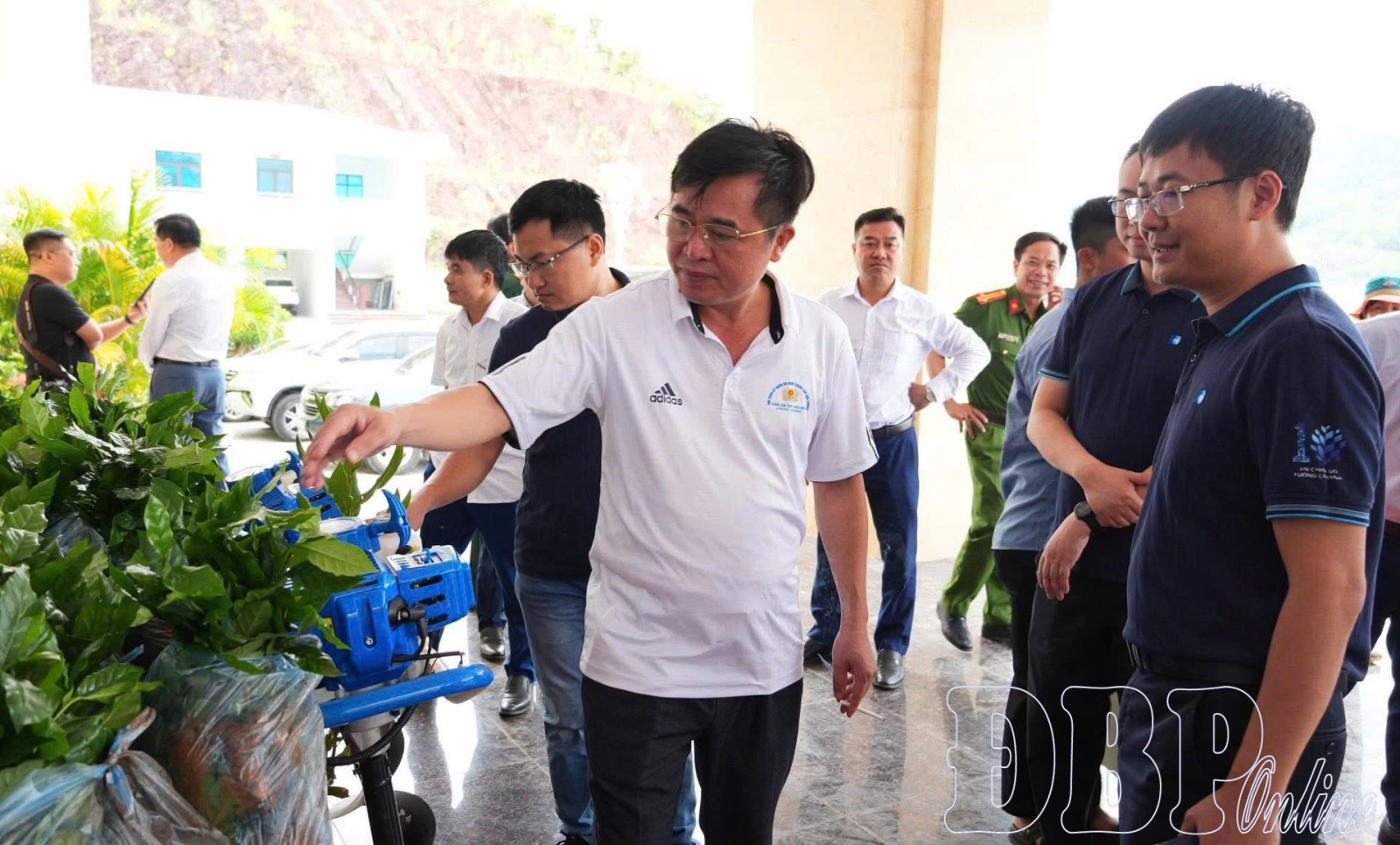
Executing Plan No.1850/KH-UBND dated March 16, 2026, by the Điện Biên provincial People’s Committee on newly planting coffee and macadamia and testing the low-altitude airspace economic development model, Nà Hỳ commune approved 37 community production development support projects. These projects span 200ha with 169 participating households across 21 villages based on pre-merger administrative boundaries. Participating citizens bear the responsibility of providing counterpart resources, proactively preparing the land, planting, tending, and protecting the trees. This elevates the responsibility of each household and curbs the mentality of waiting for or relying on State support resources.
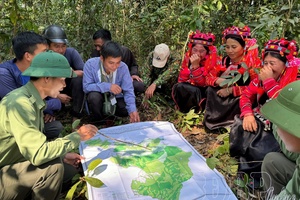
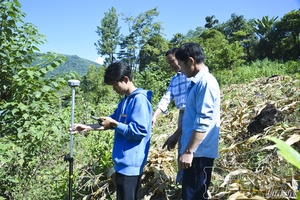
Accompanying villagers during implementation, rather than stopping at communication, cadres from the commune Integrated Service Center visited the models and directly instructed the residents. Technical operations were guided right on the production plots, making it easy for residents to understand, execute, and promptly adjust when encountering bottlenecks.
Nguyễn Phú Thiết, Director of the Nà Hỳ commune Integrated Service Center, stated: “We determined that technical guidance must be tied to specific models. Cadres go directly to the swiddens, guiding residents on how to plant, tend, and protect trees under a hands-on approach. When farmers grasp the techniques, they clearly understand their responsibilities upon joining the project. When they see cadres and Party members setting the example first, residents come to learn and follow suit.”
From newly planted areas to raw material zones
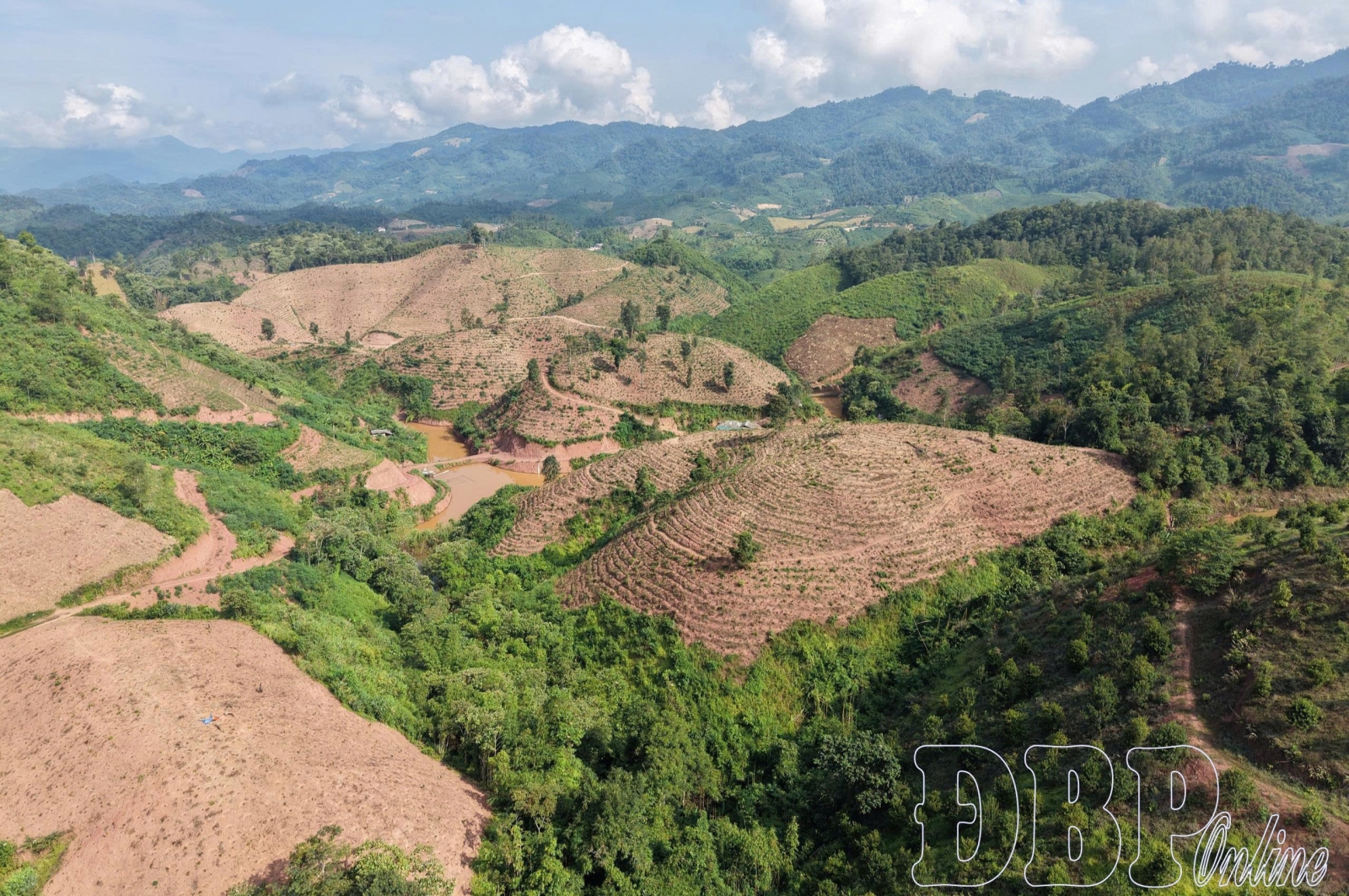
The proactivity of the people coupled with support policies has generated shifts in production scale. According to statistical data, newly planted coffee acreage in Nà Hỳ commune reached over 544ha, of which 200ha belongs to approved projects, while the remaining area was proactively invested and expanded by residents. Macadamia acreage reached over 323ha, including intercropped areas; cinnamon acreage reached over 857ha.
Beyond the acreage planted under support projects, Nà Hỳ residents proactively invested in expanding coffee and macadamia areas. Self-planted acreage accounts for a significant proportion, illustrating a transition from receiving support to proactive development investment.
Nevertheless, expanding new acreage is merely the first step, as coffee, macadamia, and perennial industrial crops require time to grow and be tended before yielding stable harvests. Absent technical guidance, appropriate investment suited to land conditions, or if development exceeds care capacity, residents may face difficulties in maintaining acreage and ensuring economic efficiency.
Given this reality, the locality proactively reviewed acreage outside project scopes to formulate suitable support plans; concurrently communicating and mobilizing residents to actively tend planted areas, ensuring coffee and macadamia trees grow and develop well.
Trần Văn Thượng, Secretary of the Party Committee and Chairman of the People’s Council in Nà Hỳ commune, emphasized: “Nà Hỳ commune identifies developing coffee, macadamia, and advantaged crops as a long-term orientation to elevate incomes for the people. Local Party committees and administrations will continue their accompaniment, mobilize support resources, strengthen technical guidance, and mobilize cadres and Party members to set the example. The commune also emphasizes connecting with enterprises and cooperatives to progressively form concentrated raw material zones; linking production with processing and product consumption, helping citizens feel secure in investing and developing the economy sustainably.”
With the accompaniment of local Party committees and administrations, the pioneering efforts of cadres and Party members, and the consensus of the people, Nà Hỳ is progressively restructuring crops and efficiently exploiting its land potential. Developing coffee and macadamia tied to elevating production quality and consumption linkages will create conditions to form stable raw material zones and expand livelihood opportunities. This will serve as the driving force for Nà Hỳ to develop commercial agricultural production, progressively elevating incomes and living standards for local residents.
Bùi Quang

You have 500/500 characters left
Please enter 5 or more characters!!!