



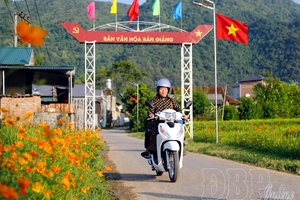
Amidst the application of a new criteria set and shifting territorial scales following administrative reorganizations, localities are concentrating on reviewing every criterion, mobilizing resources, and clearly identifying tasks that must be accomplished.
For the 2026-2030 period, the Prime Minister promulgated the new National Set of Criteria for new-style rural communes, comprising 10 criteria with 47 indicators, structured for 3 commune groups based on developmental conditions and regional specificities. Closely following central regulations, on July 15, 2026, the provincial People’s Committee issued Decision No.55/QĐ-UBND regulating the Set of Criteria for new-style rural area-standard communes and modern new-style rural area-standard communes for the 2026-2030 period. The new criteria set imposes higher requirements on quality and sustainability. Thus, the tasks facing the 5 aforementioned communes are immense.
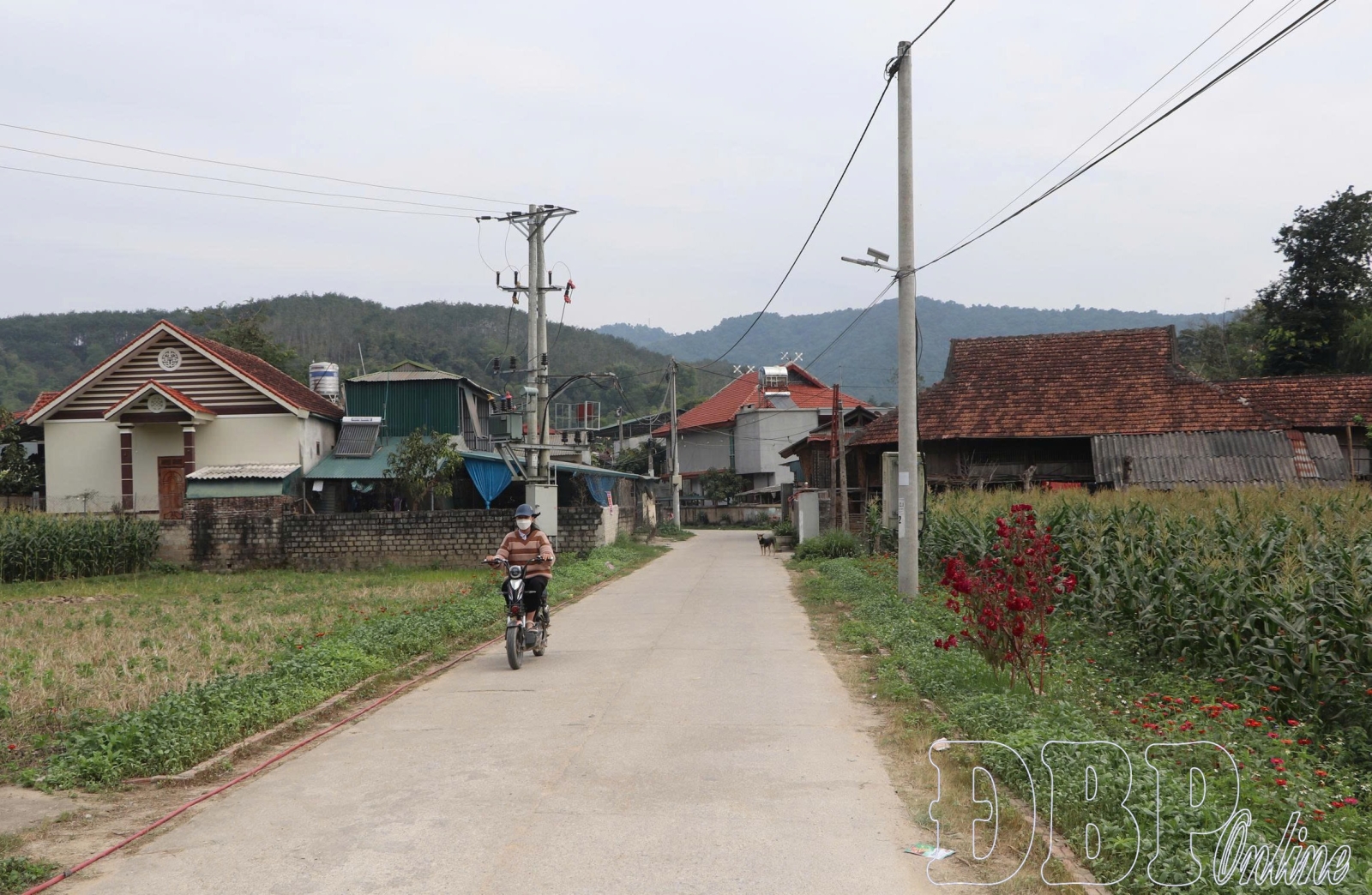
Through reviews and self-assessments, as of October 10, Thanh Nưa commune had only achieved 40/47 indicators and 4/10 criteria, including: Planning; rural human resource training; science, technology, and digital transformation; and building the political system and public administration. Unmet criteria include: Socio-economic infrastructure; culture, education, and healthcare; rural economic development; poverty reduction and social welfare; rural environment and landscape; and access to law, security, and national defense.
For instance, regarding the socio-economic infrastructure criterion, Thanh Nưa currently has 27km of communal axis roads and 115.01km of village and hamlet roads. However, the entire transport network has not secured annual maintenance work according to regulations. To remedy this, the commune formulated periodic and regular maintenance plans for routes under its jurisdiction. The commune assigned village and hamlet development boards and mass organizations to self-manage village roads, while proactively allocating a portion of the budget and integrating capital sources to subsidize maintenance costs. The roadmap aims for completion in the fourth quarter of 2026.
According to Chu Văn Bách, Chairman of the Thanh Nưa commune People’s Committee, completing the new-style rural area criteria requires approximately VND 265,982 million. In the immediate term, the commune concentrates on executing tasks it can proactively deploy, while reviewing investment needs and determining priority sequences for items demanding massive capital. To fulfill the New-style rural area building target in 2026, alongside local proactivity, the commune hopes to continue receiving attention regarding resource support and professional guidance from levels and sectors, especially for criteria exceeding grassroots-level budget balancing capacities.

In Thanh An commune, self-assessment results show the locality currently meets 3/10 criteria and 34/43 indicators (as Thanh An belongs to Group 3 communes, 4 indicators are not applicable per regulations). The three achieved criteria include: Planning; rural human resource training; and building the political system and public administration. The remaining criteria still harbor unmet indicators: socio-economic infrastructure meets 5/6 indicators; rural economic development has 2/10 unmet indicators; culture, education, and healthcare has 1/4 unmet indicators, and so forth.
Typically, the indicator on cultural and sports institutions under criterion No.5 (culture, education, and healthcare) remains unmet. According to regulations applied to Group 3 communes, the system of communal and village cultural and sports institutions must guarantee adequate area, operational conditions, and facilities serving community activity needs. However, currently, only 13 out of 22 villages and hamlets across the commune possess cultural houses; and only 2 cultural houses in Noong Ứng and Bông villages are equipped with outdoor sports and exercise equipment.
To perfect this criterion, in 2026, Thanh An commune is deploying the new construction of 2 cultural houses, alongside repairing and upgrading 2 existing village cultural houses. After the 2 newly built facilities are completed, the number of villages with cultural houses is projected to rise to 15/22. For the 2027-2030 period, the locality plans to continue building the 7 remaining cultural houses and supplementing equipment serving community activities. Executed funding stands at VND 2,082 million; investment demand for building the 7 cultural houses in the next phase is estimated at VND 17,500 million, averaging VND 2,500 million per facility.
According to Trần Văn Hải, Chairman of the Thanh An commune People’s Committee, to strive for new-style rural area standards in 2026, the commune assigned specific tasks, anchoring the responsibilities of each department to concrete figures, dossiers, and execution progress. Concurrently, it leverages the proactivity of cadres and Party members, mobilizing citizens to participate and harnessing resources congruent with practical conditions.
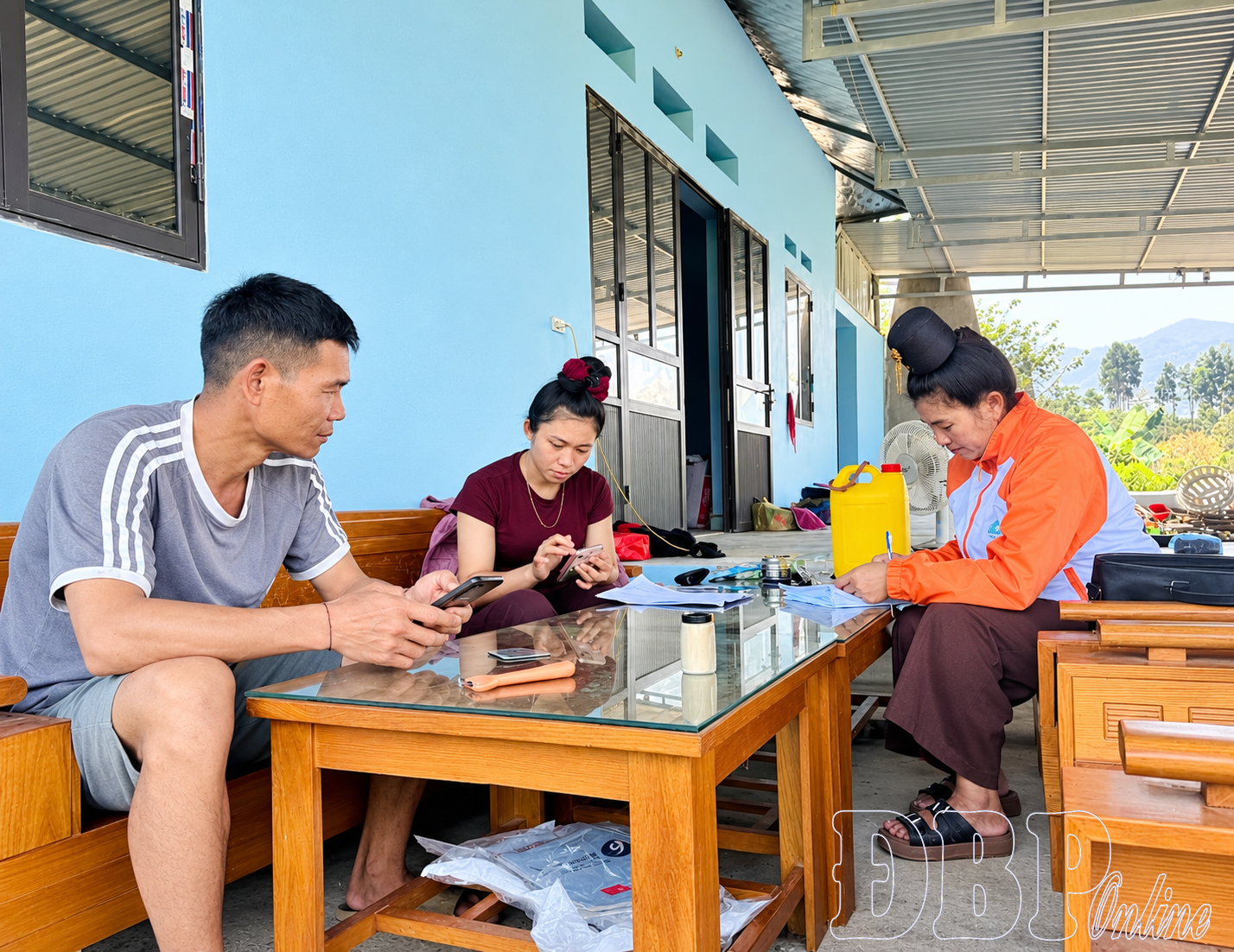
Alongside local efforts, Thanh An commune requests the provincial People’s Committee, the Department of Agriculture and Environment, and relevant departments and sectors to strengthen guidance, inspection, and unify criteria evaluation methods for Group 3 communes; support the finalization of specialized dossiers, income surveys, and the validation of data regarding irrigation areas, solid waste, wastewater, and end-to-end online public services. For transport infrastructure and cultural institutions, the commune requests consideration for supporting and integrating investment capital of approximately VND 943,400 million.
Currently, Tuần Giáo, Mường Ảng, and Mường Phăng communes are also actively reviewing and deploying New-style rural area building tasks. As of October, Mường Ảng commune had achieved 32/47 indicators; among the 10 criteria groups, 2 groups were fully met, 3 were basically met, and 5 required concentrated perfection. Tuần Giáo commune has fundamentally met the indicators under the new criteria set. Meanwhile, through self-review, Mường Phăng commune has to date basically fulfilled 10 criteria.
The remaining time in 2026 is limited, while the workload across localities remains immense. To realize the targets, alongside the proactivity and determination of Party committees, administrations, and public consensus, localities require timely support from the province and sectors in mobilizing and integrating capital sources, and resolving professional bottlenecks. This constitutes a vital condition to progressively perfect the criteria, heading toward substantive and sustainable new-style rural area building.
Thu Phương

You have 500/500 characters left
Please enter 5 or more characters!!!