



Faced with an increased workload and a broader scope of responsibilities, every cadre must proactively elevate their professional qualifications, operational skills, and public duty responsibilities. In Điện Biên, suitable training, fostering, and cadre placement are emphasized to meet task requirements in the new situation.
Following the implementation of the two-tier local governance model, many grassroots-level cadres must assume additional tasks and oversee more domains. This requires each cadre to regularly update their knowledge and elevate their professional and operational capacities to meet work demands.
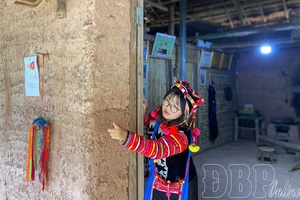
At the Socio-Cultural Office of Mường Pồn commune, alongside labor and employment, Lù Thị Mai Sinh also oversees policies for meritorious individuals, social protection, children, gender equality, and other tasks. The increased workload requires her to proactively research and study to meet the demands of her job position. Sinh shared: “The workload is massive and spans multiple domains, so I must proactively study and elevate my knowledge and skills to meet the requirements of my assigned areas.”
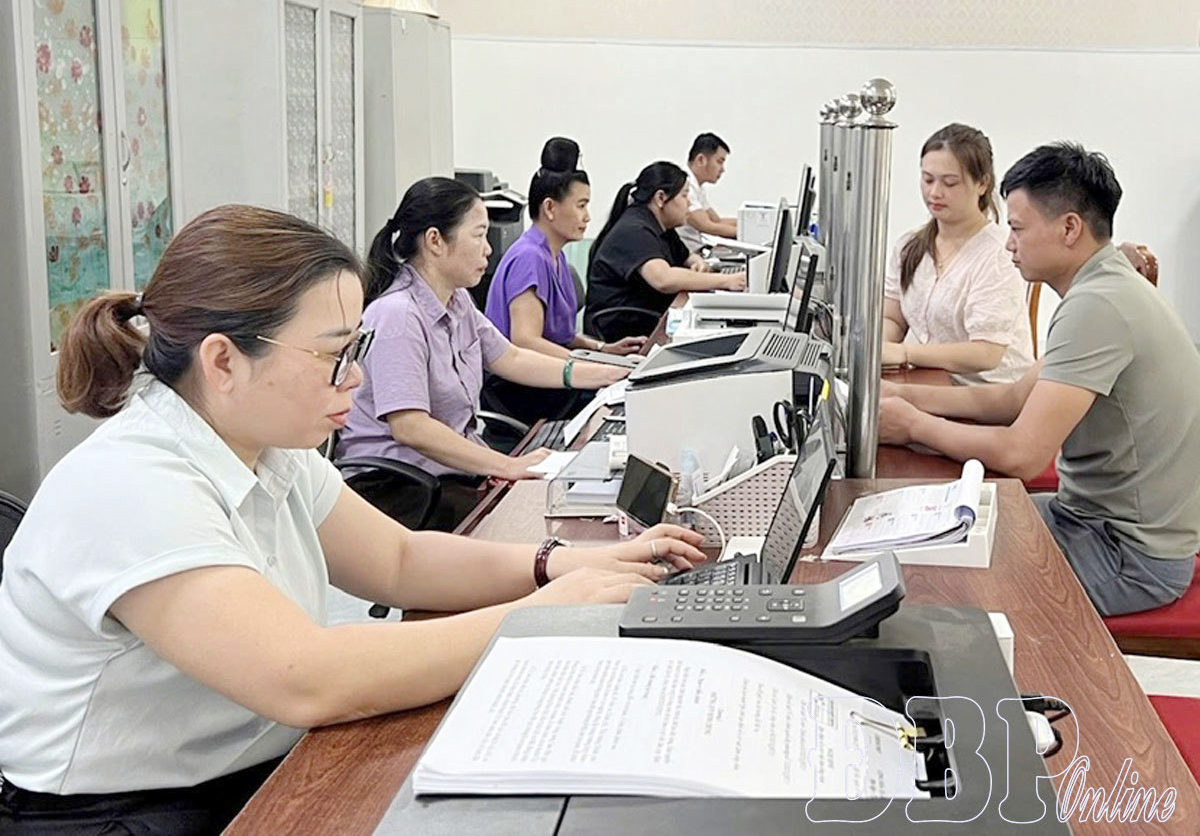
Coupled with encouraging cadres to proactively study and elevate their capacities, Mường Pồn commune emphasizes placing and assigning tasks aligned with each individual’s professional qualifications and practical capabilities. Nguyễn Văn Lương, Chairman of the Mường Pồn commune People’s Committee, stated: “Task assignment is executed based on the professional qualifications, capacities, and strengths of each cadre and civil servant. Through practical work, commune leaders regularly evaluate and grasp the capacity of each individual to assign suitable jobs, unleash their strengths, and elevate the quality and efficiency of task execution.”
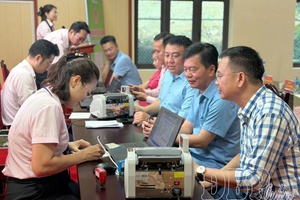
Not only in Mường Pồn, but the contingent of cadres and civil servants in communes and wards following the reorganization of administrative units must adapt to the new organizational model. Particularly in units directly receiving and resolving administrative procedures, mastering legal regulations, being proficient in operational procedures, and applying information technology are crucial requirements to ensure smooth workflow and elevate the quality of public service.
As a civil servant at the Public Administrative Service Center of Mường Thanh ward, Lê Thị Lụa noted that self-study and knowledge updates have become regular requirements for every cadre. “We must constantly study, hone our experience, and strictly follow the regulations and guidelines of the Government and the provincial People’s Committee to serve citizens increasingly better.”
A proactive learning spirit is a vital factor helping cadres meet job requirements. However, to effectively unleash the contingent’s capacity, training and fostering work must be tied to reviewing job positions, accurately evaluating capacities and strengths, and assigning tasks suited to each individual.
In Tủa Chùa commune, elevating the quality of the cadre, civil servant, and public employee contingent is identified as a focal task to meet job requirements in the new situation. Phạm Quốc Đạt, Chairman of the Commune People’s Committee, stated: “The entire commune currently has 454 cadres, civil servants, and public employees. Based on the existing cadre contingent and the allocated payroll framework, the commune has concentrated on step-by-step building a streamlined cadre contingent that meets work requirements. We have strengthened the training and fostering of cadres and civil servants focusing on areas that remain insufficient or weak; and accelerated information technology applications and digital transformation so cadres can quickly approach their work.”
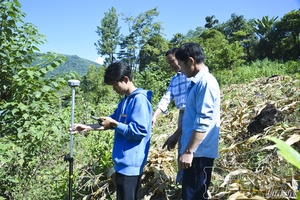
Currently, the entire province has 1,582 cadres and civil servants in the commune-level governance block, directly advising on and executing local state management tasks. Amidst increasingly high requirements when operating the two-tier local governance model, elevating professional qualifications, fostering skills in constrained areas, and placing cadres in accordance with their capacities and job positions are urgent imperatives. Identifying this as a crucial factor to elevate the operational efficiency of grassroots-level governance, Điện Biên province has synchronously deployed multiple solutions to consolidate and elevate the quality of the cadre and civil servant contingent.
According to Lê Đình Tuyên, Deputy Director of the Department of Home Affairs, to ensure the smooth operation of commune-level governance, the province has synchronously deployed solutions to elevate the capacity of the cadre and civil servant contingent. Within this, emphasis is placed on professional and operational training and fostering; reviewing the cadre and civil servant contingent to arrange, mobilize, and transfer personnel in accordance with task requirements; while concurrently dispatching provincial-level cadres to the grassroots level to assist communes in untangling difficulties during task execution.
Through synchronized solutions from the province to the grassroots level, Điện Biên is progressively elevating the quality of its cadre and civil servant contingent, meeting task requirements in the new situation. Combining training and fostering with appropriate cadre placement and utilization, alongside accelerating digital transformation, will contribute to elevating the validity and efficiency of grassroots-level governance operations. This builds a professional, modern administration centered on serving the people, generating momentum for the locality’s sustainable development.
Minh Thư



You have 500/500 characters left
Please enter 5 or more characters!!!