



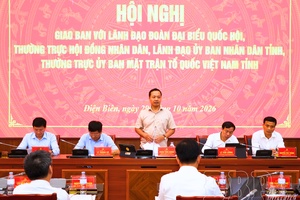
With that significance in mind, on September 21, 2026, the provincial People’s Committee of Điện Biên issued Directive No.8338/CT-UBND on deploying the 100-day-and-night campaign to measure and build the land database. It demanded maximum resource mobilization and urgent, synchronized execution from the provincial to the grassroots levels. The campaign aims to complete 100% of the land database before December 31, 2026, ensuring the criteria of “accurate - complete - clean - live - unified - shared.”
According to a report by the Department of Agriculture and Environment, by October 20, the entire province recorded 177,658 land parcels within the database that have been reviewed, updated, and perfected; of these, 152,235 parcels meet the “accurate, complete, clean, live” criteria, achieving 85.7%. For parcels lacking data, database construction efforts are being accelerated. The entire province has edited, adjusted maps, and entered data for 211,841 out of 663,607 parcels, achieving 31.92%; scanned 290,312 dossiers, achieving 43.78%; and entered attribute data for 309,681 parcels, achieving 46.7%.
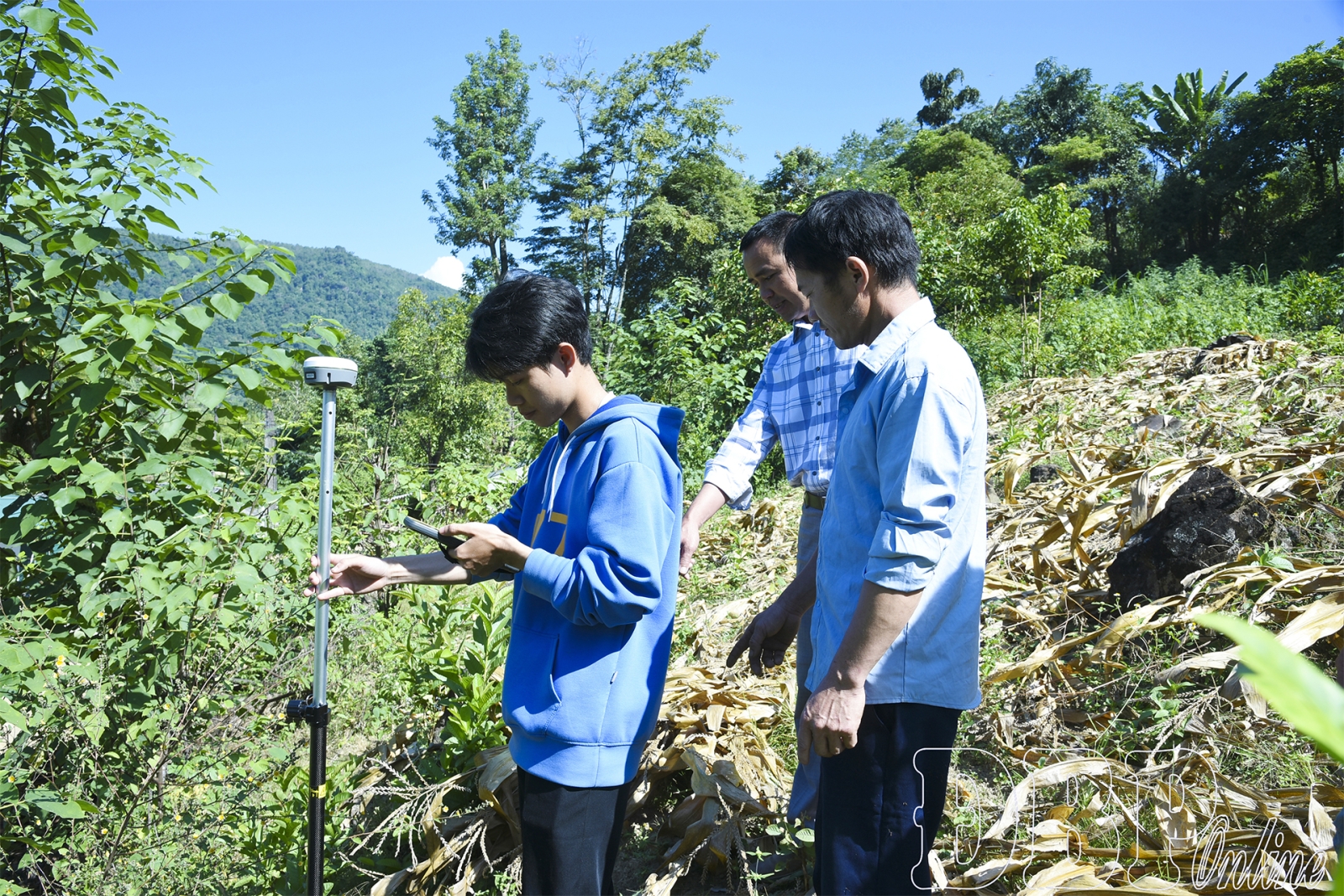
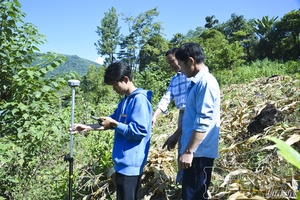
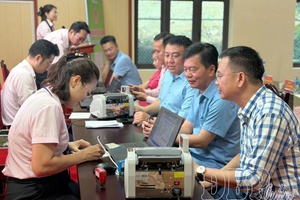
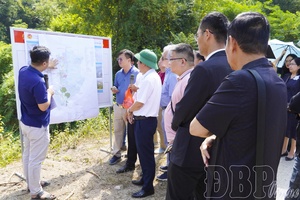
Notably, 45 out of 45 communes and wards have completed land registration declarations and issued registration confirmation notices for over 375,000 land parcels. Dossiers are handed over to the Sub-branches of the Land Registration Office for inspection before being transferred to database construction consulting units. Field surveying and cadastral mapping are also being deployed across 45 communes and wards.
Nevertheless, the remaining workload is massive, while the implementation timeframe is tight. Dissected terrain, arduous transportation, scattered production lands; out-of-sync dossiers and maps spanning multiple periods; incompletely handed-over documents, land users working far away, disputes, or undetermined boundaries all serve as direct obstacles to progress. Without resolute, synchronized solutions, these bottlenecks will not only jeopardize the campaign’s completion target but may also impact data quality - the deciding factor for long-term utilization efficiency.
Therefore, in the remaining time, the requirement is to shift decisively from broad-based deployment to focused, prioritized execution with clear personnel, clear tasks, clear responsibilities, and clear deadlines. Foremost, departments, sectors, and commune and ward administrations must review the workload and specifically categorize each group of land parcels; clearly identifying completed tasks, missing elements, and root causes for delays to formulate appropriate handling plans. Areas with massive workloads, complex topographies, or numerous problematic dossiers must receive prioritized personnel, equipment, and professional support.
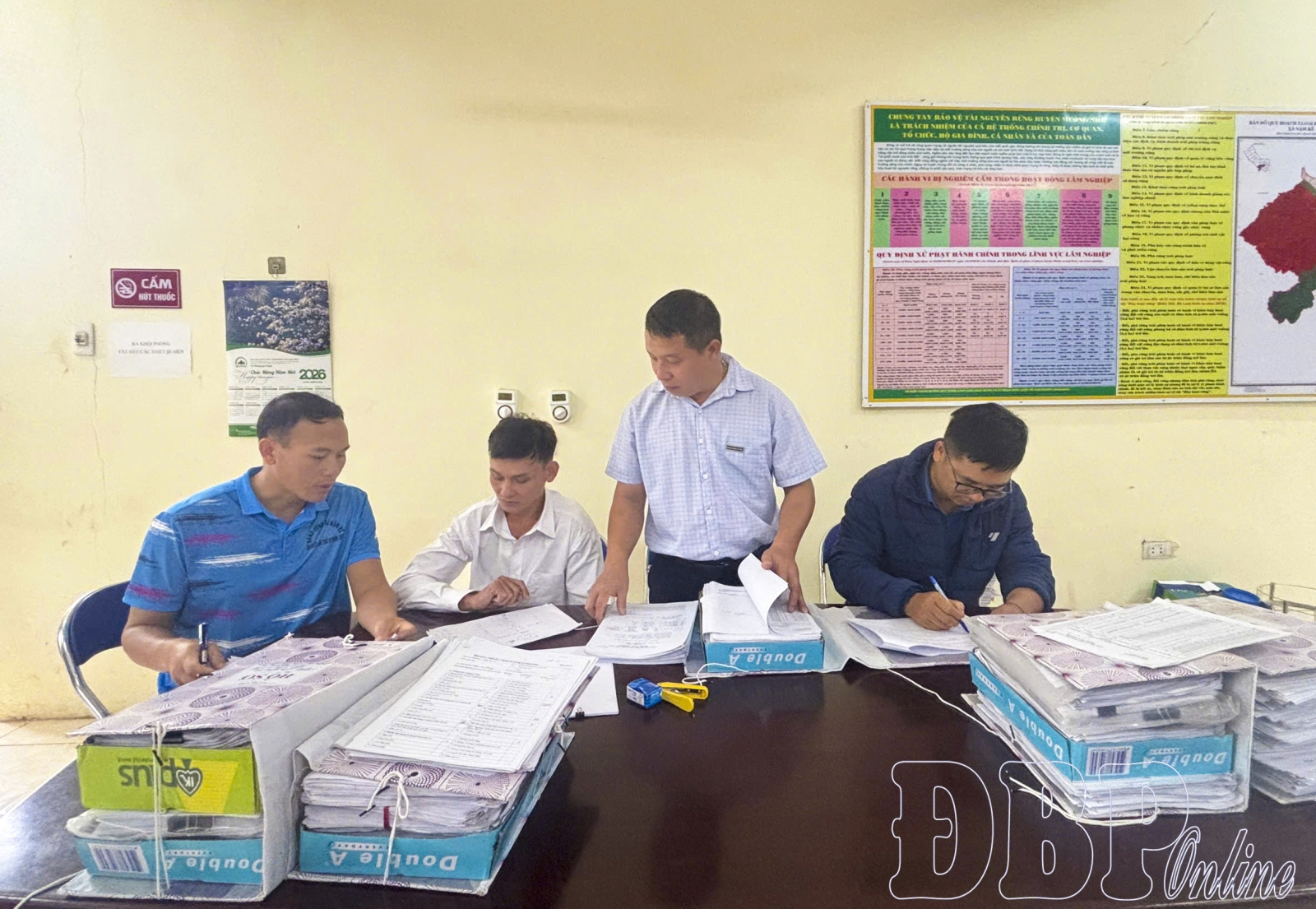
Concurrently, coordination between surveying units, land registration agencies, and grassroots administrations must be strengthened, ensuring field data, maps, and legal dossiers are cross-checked and unified right from the outset. The application of digital technology, standardizing data entry processes, cross-checking, and detecting discrepancies must be accelerated, minimizing missing, duplicated, or mismatched data across sources. Execution units must proactively prepare personnel and equipment, organize surveying scientifically, and pair it with quality control; resolutely avoiding a rush for quantity while neglecting precision.
Crucially, the people must be identified as companion subjects in the land database construction process. Grassroots administrations must step up communication and provide specific guidance on the campaign’s objectives and significance; announcing surveying schedules, assisting with declarations, receiving documents, and mobilizing land users to coordinate in boundary determination.
Perfecting the land database marks an important step in digital transformation, modernizing state management, and elevating service quality for citizens and enterprises. But the campaign’s greatest value lies not merely in the tally of surveyed and updated parcels, but in ensuring each parcel carries accurate, comprehensive information capable of being exploited and utilized effectively in the long term.
With high political determination, tight coordination across levels and sectors, and public consensus, Điện Biên must focus on untangling bottlenecks, ensuring progress walks hand in hand with quality, and fulfilling the set target before December 31, 2026. Successfully executing this task translates to building a transparent, modern land management foundation while consolidating public trust, protecting the legitimate rights and interests of land users, and generating momentum for sustainable socio-economic development across the province.
Tùng Lĩnh







You have 500/500 characters left
Please enter 5 or more characters!!!