



From bamboo and rattan woven products to livestock techniques and mechanical welding, the acquired knowledge and skills help trainees secure more chances to find employment, generate income, progressively rebuild their lives, and confidently reintegrate into the community.
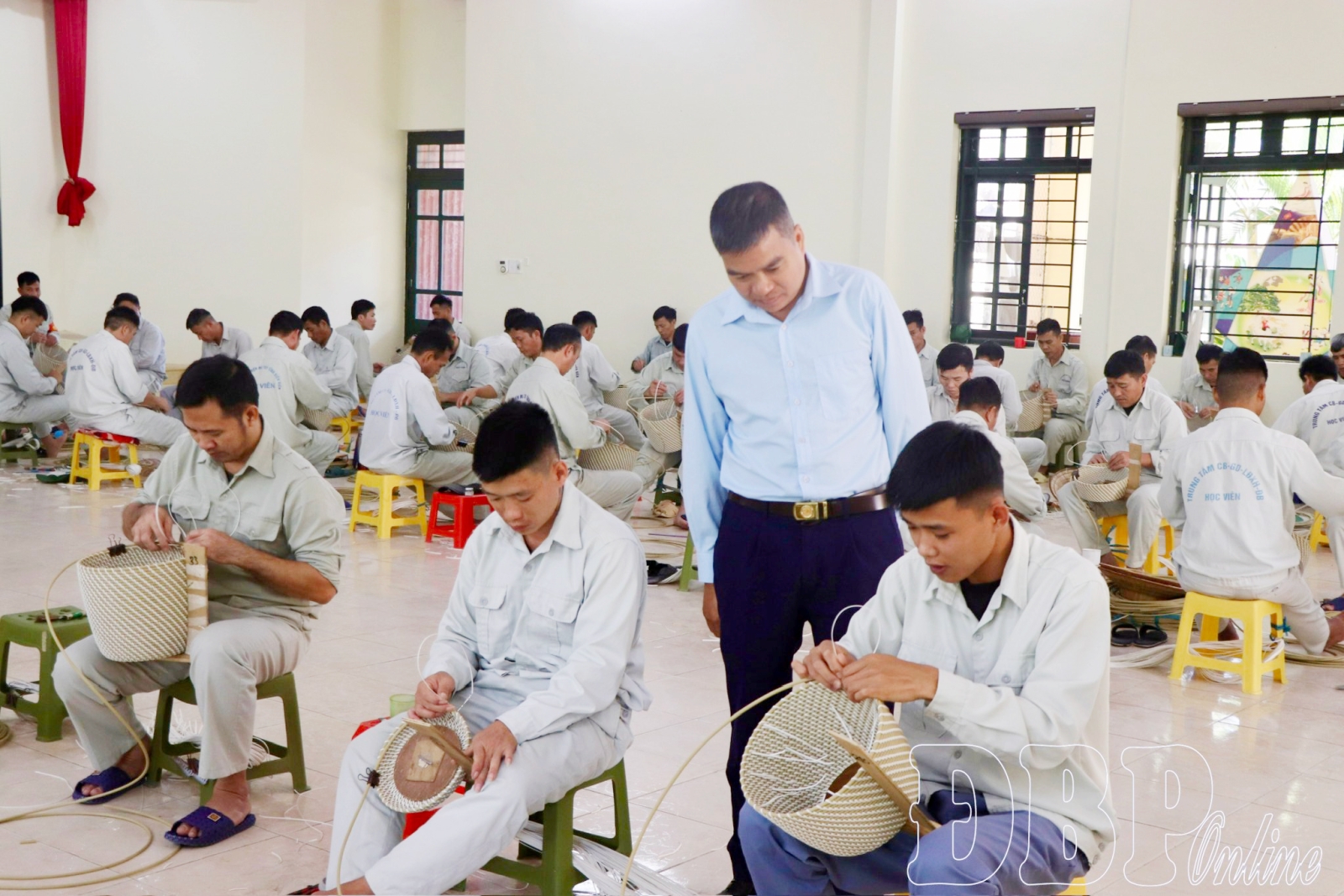
With nimble hands weaving each split bamboo strip, Lường Văn Tâm, a trainee undergoing rehabilitation at the provincial Drug Addiction Treatment Establishment, meticulously completes every stage of bamboo and rattan weaving. From disparate strips, guided by skilled hands and perseverance, the product gradually takes shape. For Tâm, every vocational training hour not only equips him with labor skills but kindles hope for a job, an income source, and a chance to rebuild his life upon returning to the community.
Living in Kéo village, Mường Luân commune, Tâm fell into drug use due to peer enticement. His days at the treatment establishment offer time for self-reflection, thinking about his family, and considering unfulfilled plans. During his rehabilitation, alongside complying with regulations and participating in educational and physical training activities, Tâm grew more acutely aware of the significance of vocational learning and labor in preparing for the journey ahead.
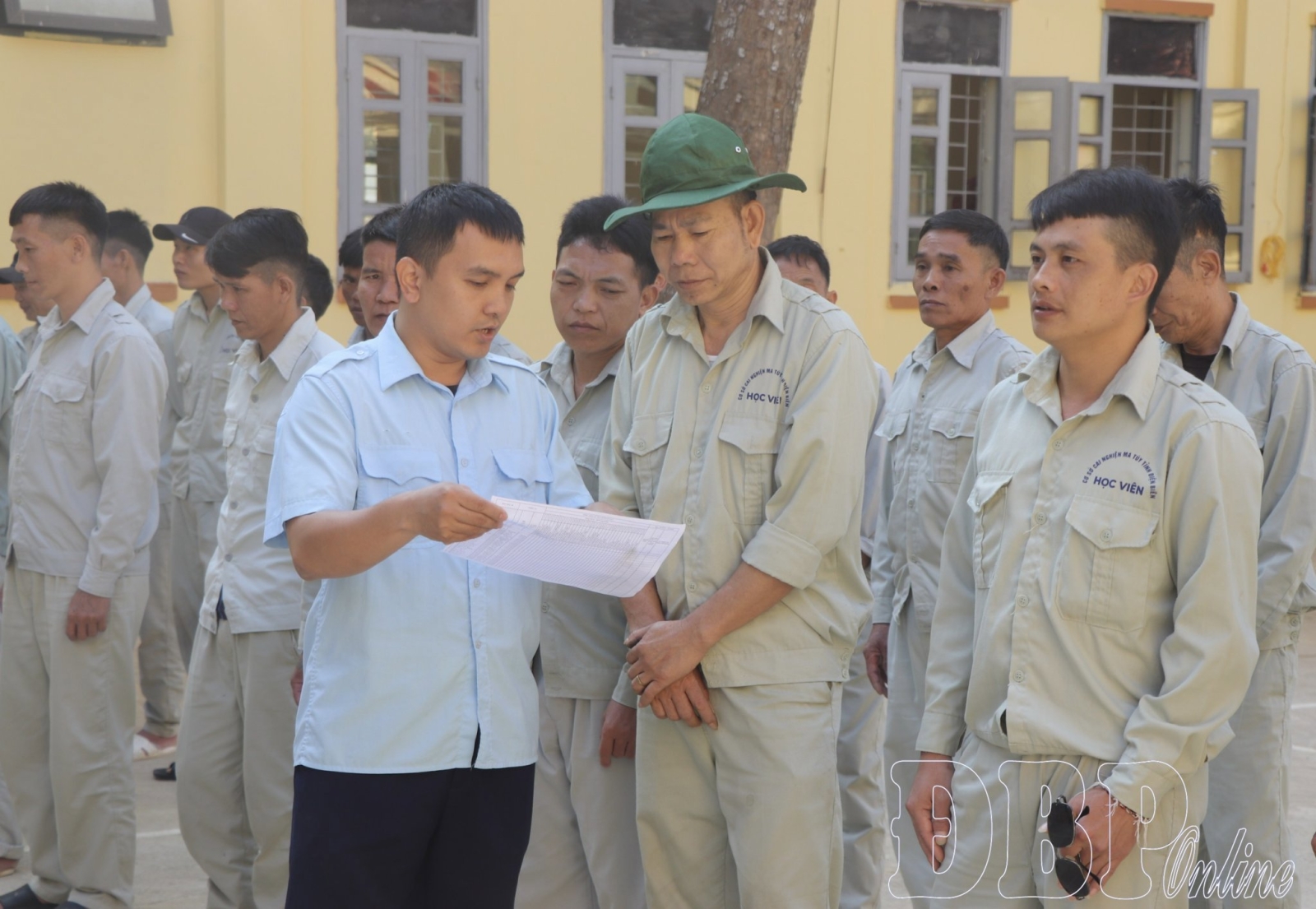
Tâm stated: “I hope that after completing my rehabilitation period, I can find a stable job with an income to care for my wife and children. The knowledge and skills learned at the establishment will provide me with more opportunities when I return to my locality.”
Tâm’s sentiment echoes the desire of many trainees undergoing treatment at the establishment. After rehabilitation, to stand firm against temptations and mitigate the risk of relapse, each individual requires the determination to change, the companionship of family and community, and the conditions to labor and generate livelihoods. A suitable trade provides post-rehabilitation individuals with added employment choices, income generation, and the capacity to progressively overcome stigma and rebuild trust in life.
The provincial Drug Addiction Treatment Establishment currently manages 608 drug addicts. Alongside treatment, educational, and restorative activities, the establishment emphasizes organizing production labor and vocational training to help trainees hone skills, cultivate a labor consciousness, and prepare the necessary conditions to stabilize their lives upon completing their rehabilitation.
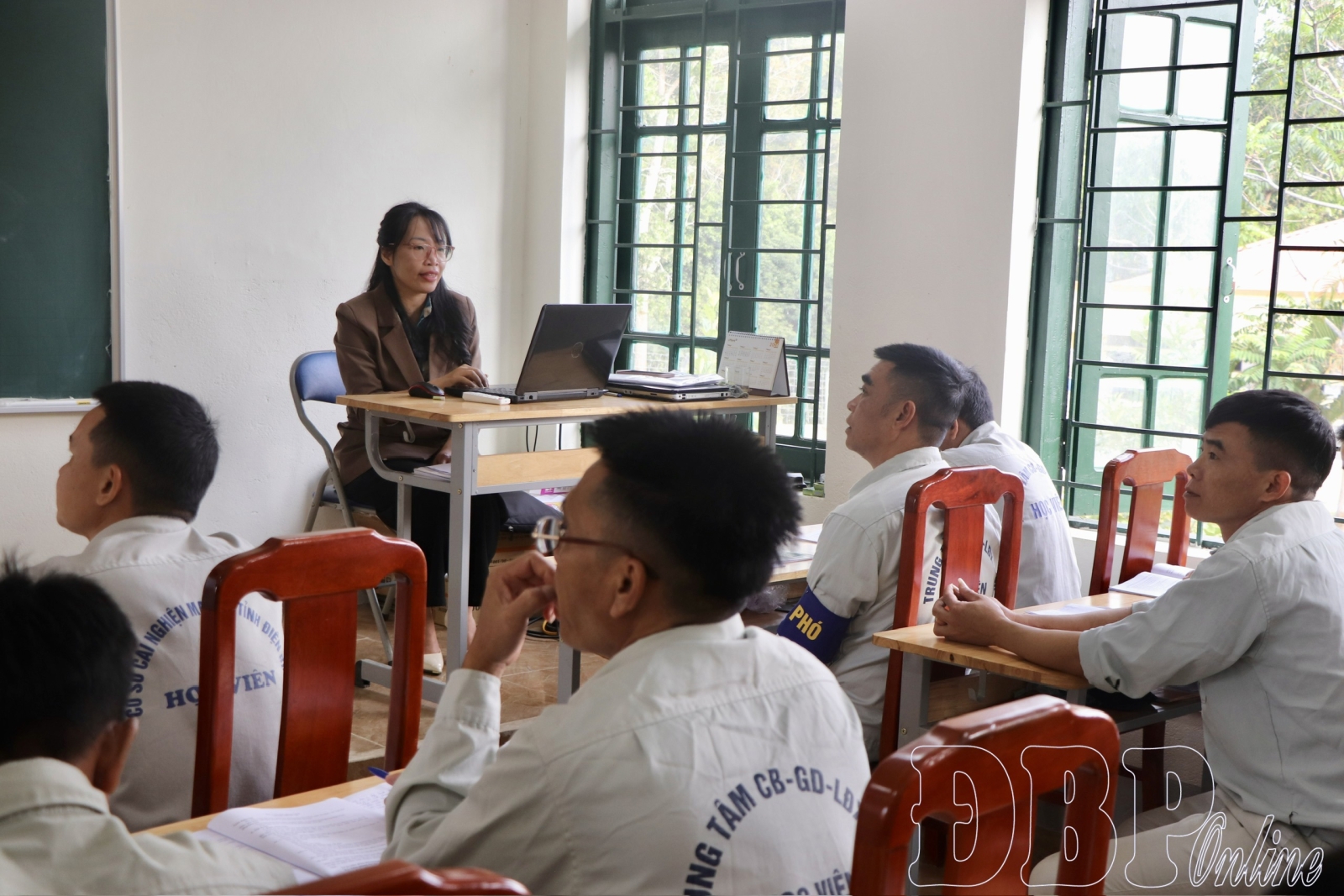
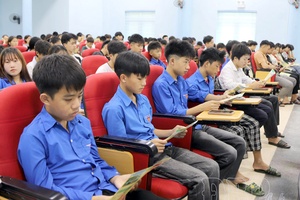
In 2026, the establishment rolled out elementary vocational training classes for 100 trainees. The program is co-organized by the Drug Crime Investigation Police Division under the provincial Police, the National Technology Vocational College, and Điện Biên College.
The three trades integrated into the training include bamboo, rattan, and giang weaving; techniques for raising and treating diseases in pigs; and mechanical welding. These are all highly applicable trades in daily life and production, helping trainees acquire practical labor skills and expanding their chances to seek employment or create self-employment upon returning to their localities.
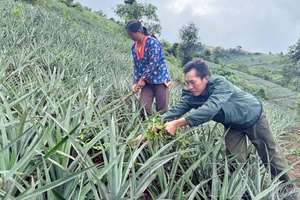
In the class on techniques for raising and treating diseases in pigs, 33 trainees undergo a 760-hour program blending theory and practice. In class, trainees are guided by instructors on the growth characteristics of pigs, breed selection, formulating feed rations, age-specific livestock care, stall sanitation, and disease prevention and treatment measures.
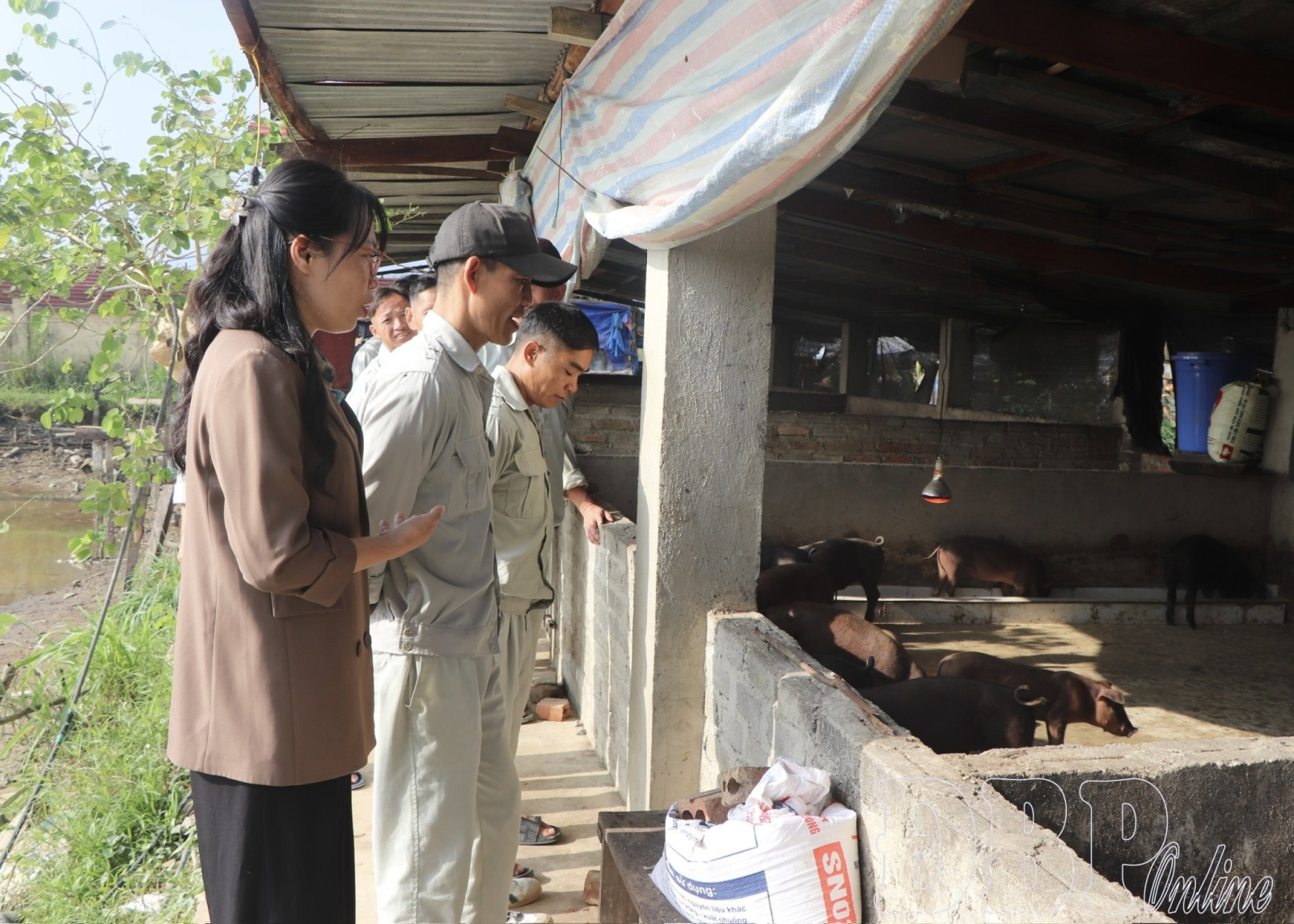
These contents continue to be applied during practical sessions at the farm. Under teachers’ guidance, trainees observe animal health, identify abnormal signs, practice care operations, and learn disease prevention techniques.
Pairing learning with practice helps trainees readily absorb knowledge, better understand technical procedures, and learn how to apply them practically. Through every lesson, each individual progressively forms livestock care skills, cultivating meticulousness, perseverance, and a conscious adherence to animal husbandry requirements.
Teacher Quàng Thị Lợi, of Điện Biên College, stated: The training focuses on practical knowledge suited to household and local livestock conditions. Beyond theory, instructors intensify practical guidance so trainees master care and disease prevention techniques, progressively applying them to reality. Through this, trainees secure added professional knowledge and skills, generating opportunities to develop their economy and stabilize their lives upon completing rehabilitation.
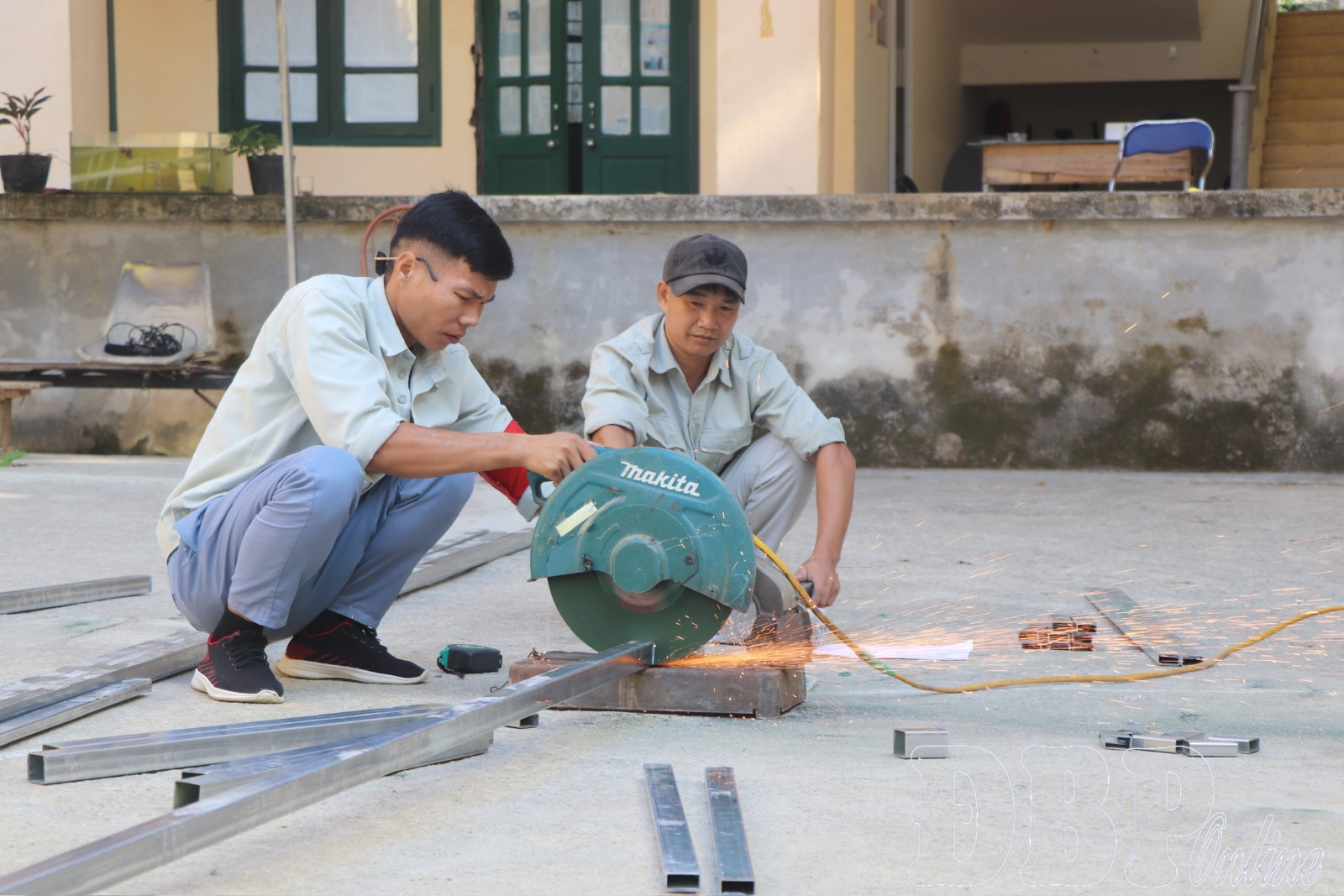
During the three-month training, trainees access specialized knowledge, practice skills, and hone labor conduct in accordance with the demands of each trade. Upon completing the course, trainees are awarded elementary-level vocational certificates. This serves as a credential to supplement occupational capacity and support the search for suitable employment after returning to their localities.
Captain Trần Anh Ninh, Deputy Head of the provincial Drug Addiction Treatment Establishment, stated: Vocational training classes furnish trainees with added options for the future, establishing an environment to forge consciousness, a sense of responsibility, and self-confidence. Equipped with suitable knowledge and skills, trainees gain a stronger basis to seek jobs, develop family economies, and gain greater proactivity in their post-rehabilitation lives.
Handing down a trade means unlocking a new path; creating a livelihood empowers post-rehabilitation individuals to stand firmly on their own labor. When vocational knowledge is coupled with employment opportunities and the accompaniment of family and community, the reintegration journey acquires solid anchors. Through this, everyone gains a chance to build a stable life, live responsibly toward their families and society, contributing to curbing relapse and maintaining security and order across the area.
Minh Thảo




You have 500/500 characters left
Please enter 5 or more characters!!!