



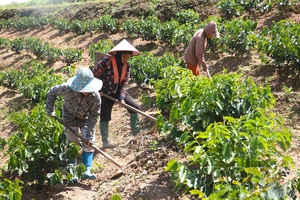
The green canopies of macadamia and coffee are steadily blanketing the hillsides. For many households, these are no longer crops planted merely to follow temporary trends or await state subsidies, but are increasingly becoming the deliberate choice of local residents for sustainable, long-term livelihoods.
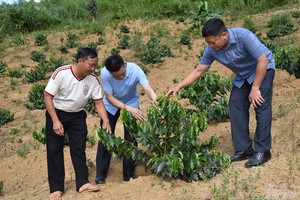
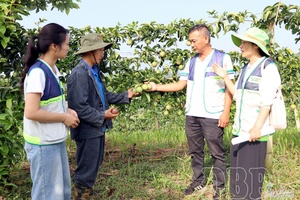
We visited the home of Lý A Tính in Long Dạo village. Tính recounted that previously, his family relied primarily on traditional crops with fragmented production, leaving their earnings largely dependent on weather vagaries and market prices. Once communal and village cadres communicated the crop restructuring orientations, the family began learning about and engaging in coffee and macadamia cultivation. “Watching television and reading newspapers about the economic efficiency of coffee trees in Mường Ảng and Tuần Giáo communes, in late 2024, my family visited a reputable seed and seedling supplier in Mường Ảng commune to purchase seedlings for planting. Today, one year after planting, our family’s more than 1ha of coffee is growing and developing vigorously, promising stable income in the coming years,” Tính shared.
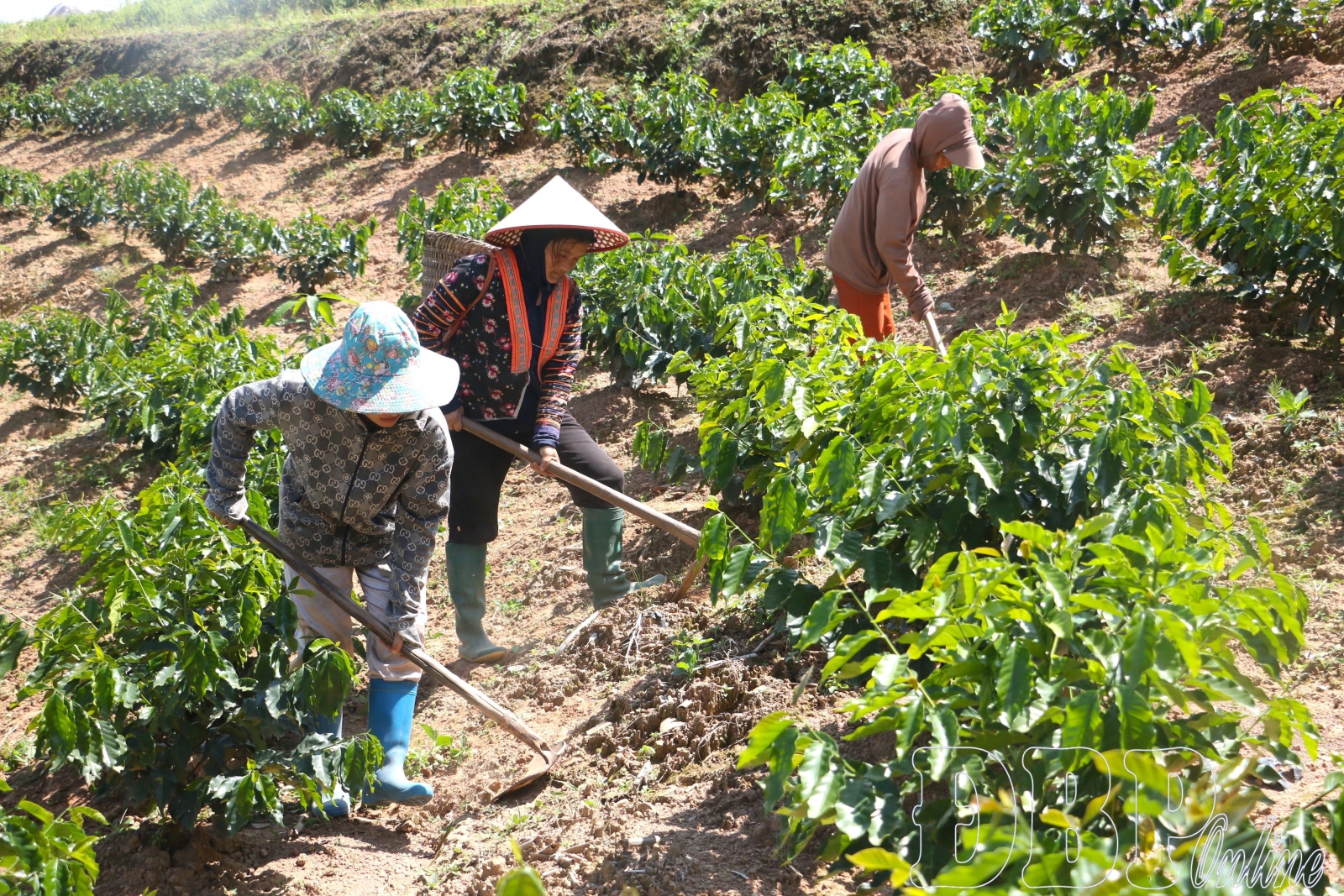
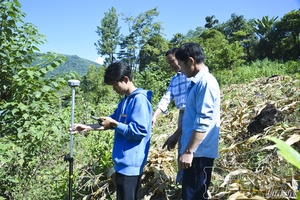
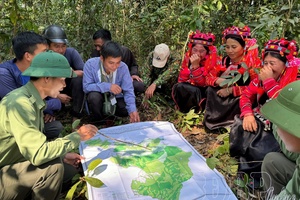
The shift in the mindset and working methods of the people in the highland village of Long Dạo began with very concrete actions. Residents pay closer attention to cultivation techniques, plant spacing, crop care, and pest and disease control. They proactively devote time to tending cultivated plots rather than merely waiting for cadres’ instructions or subsidies. Coffee and macadamia trees have become household conversation topics and the focus of discussions in village meetings and Party cell gatherings.
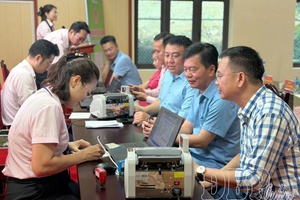
The transformation in the mindset and practices of Long Dạo villagers stems from the close engagement with citizens’ livelihoods and the economic development orientation of the village Party Cell. Vàng A Hờ, Secretary of the Long Dạo village Party Cell, noted that Party cell meetings in recent years have seen substantial innovations, with agendas closely grounded in practical realities. Issues bearing directly on people’s livelihoods and production are tabled for discussion, and Party members are assigned to lead, communicate with, and mobilize each household. Consequently, the commune’s crop restructuring guidelines reach every family and are translated into tangible deeds directly in the fields. To date, Long Dạo village possesses 62ha of coffee intercropped with macadamia.
Currently, the entire commune of Si Pa Phìn has completed new plantings across 181ha of coffee. Within this, 100ha consists of coffee intercropped with macadamia, while 81ha comprises monoculture coffee financed and developed independently by local residents. Notably, coffee and macadamia acreage does not derive exclusively from state-sponsored support programs. The fact that villagers self-financed the investment for 81ha of coffee demonstrates a production transition away from a dependency mindset toward proactive private investment. This represents an essential prerequisite for new crops to develop more sustainably after subsidized programs conclude.
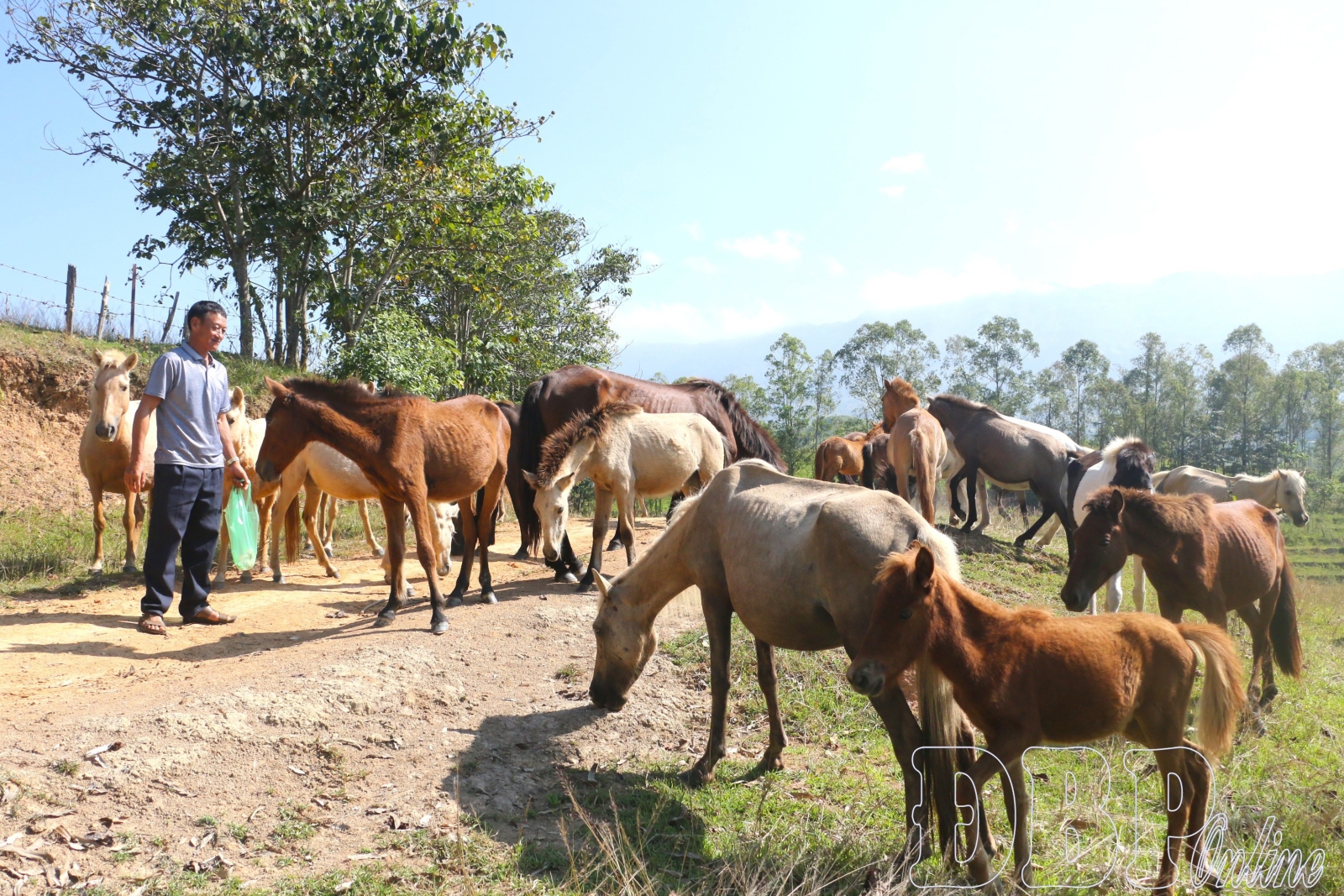
Alongside crop farming, Si Pa Phìn residents are capitalizing on local advantages in large livestock husbandry. Across several villages, households have proactively fenced off family grazing grounds, utilizing available land tracts to rear buffaloes, cattle, and horses. This approach suits local topographical conditions while establishing a stable livestock income stream. The family of Hồ Chử Goằng in Chăn Nuôi village is a typical example. With a herd exceeding 60 buffaloes, cattle, and horses, the family has progressively formed a commodity-oriented livestock model, generating a steady income of over VND 300 million per year.
Moving away from small-scale rearing that simply exploited whatever was available, proactively planning grazing lands and expanding herd sizes has emerged as a promising new livelihood orientation for local villagers. To advance livestock husbandry, Si Pa Phìn commune maintains over 85ha of elephant grass to provide forage for livestock, while tightening epidemic control and slaughter inspections. To date, the commune counts 18,562 heads of livestock, up 1.4% year-on-year. This includes 6,495 buffaloes, 2,187 cattle, and 9,880 pigs. The horse and goat herd stands at 2,424 head, comprising 574 horses and 1,850 goats. The total poultry flock reaches 39,500 birds, up 4.8% over the same period.
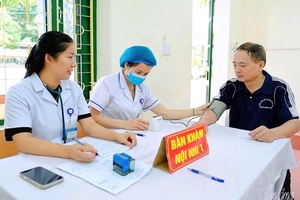
Coupled with production support, vocational training is tied directly to the practical demands of the people. Technical training classes covering the planting, tending, harvesting, preserving, and processing of coffee have been organized for rural laborers across villages in the commune. Over the first nine months, the commune created new employment for 85 laborers working within and outside the province. These shifts in production are driving notable progress in poverty reduction. In early 2026, the multidimensional poverty rate in Si Pa Phìn stood at 42.81%, with poor households accounting for 26.41% and near-poor households at 16.40%. By September 2026, the estimated multidimensional poverty rate declined to 28.12%; the proportion of poor households dropped to 19.58%, and near-poor households fell to 8.53% (under the 2021-2025 multidimensional poverty standards).
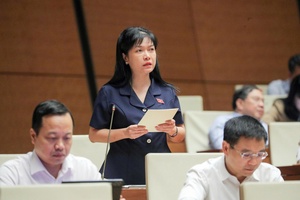
Bùi Thu Hằng, Secretary of the Party Committee and Chairwoman of the People’s Council of Si Pa Phìn commune, stated: “Initial outcomes in economic development and poverty reduction demonstrate that the commune’s trajectory is becoming increasingly distinct. Capitalizing on advantages in land, climate, and livestock rearing conditions, the commune continues to guide residents toward crops and animals capable of generating economic value, while emphasizing production linkages, vocational training, and assisting poor and near-poor households to advance their circumstances.”
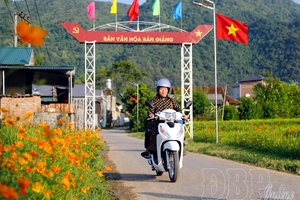
Lush coffee and macadamia trees are taking root across the steep swiddens of Si Pa Phìn. Despite hardships and arduous conditions, aspirations for change continue to quietly mature on this remote frontier land. What is deeply commendable is that instead of passively relying on subsidies, a segment of the populace has proactively calculated, invested, and selected production paths suited to local realities.
Vibrant green coffee trees carry high expectations and embody the evolving mindset and working methods of the people of Si Pa Phìn.
Anh Nguyễn



You have 500/500 characters left
Please enter 5 or more characters!!!