



This serves as a vital basis to help localities substantiate targets, identify roadmaps, and select solutions aligned with practical conditions; continuing to elevate new-style rural area building quality in a substantive, effective manner centered on the people and ensuring sustainability.
Based on the National Set of Criteria for New-style rural area building, on July 15, 2026, the provincial People’s Committee of Điện Biên issued Decision No.55/QĐ-UBND regulating the Set of Criteria for new-style rural area-standard communes and modern new-style rural area-standard communes for the 2026-2030 period. The criteria set comprises 10 criteria with 47 indicators, focusing on core components such as: economic development, perfecting infrastructure, environmental protection, promoting digital transformation, and elevating the material and spiritual lives of the people. A notable new feature is that the criteria are categorized into three commune groups (group 1, group 2, and group 3) based on the practical conditions and distinct characteristics of each locale. This approach helps overcome the limitations of applying a universal criteria set to all communes, ensuring new-style rural area building targets align closely with reality, unlocking local advantages, and simultaneously creating a basis for allocating resources and selecting appropriate implementation solutions aimed at enhancing quality and sustainability in new-style rural area building.
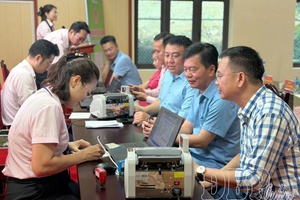
Đỗ Quang Minh, Director of the Sub-Department of Rural Development and Cooperative Economy (under the Department of Agriculture and Environment), stated: Formulating an new-style rural area criteria set tailored to the practical conditions of each commune group allows localities to be proactive in setting targets, selecting priority content, and organizing execution. Based on existing potential, advantages, and resources, communes build specific roadmaps, concentrating on resolving issues of practical relevance to people’s lives. Through this, they progressively elevate criteria quality, promote the active subject role of the People, and ensure New-style rural area building deepens and yields long-term efficacy.
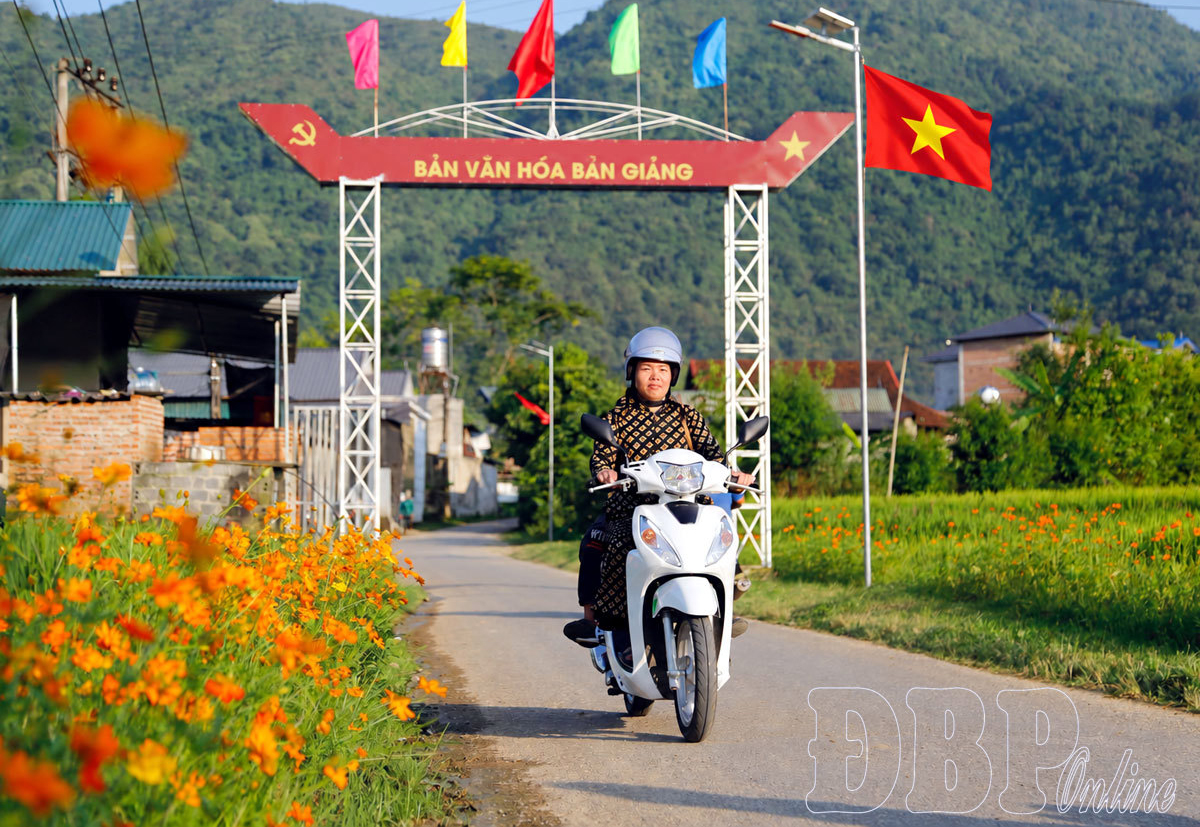
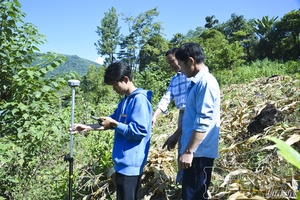
In Tuần Giáo commune, deploying the new-style rural area criteria set for the new phase is substantiated by an implementation roadmap for each unmet criterion, while prioritizing the integration of resources to invest in and perfect essential infrastructure systems. The locality emphasizes restructuring production, elevating citizens’ incomes, improving landscapes and the environment, and harnessing the active role of the community in new-style rural area building. Synchronous solutions are deployed in close alignment with practical conditions, aiming to elevate criteria quality, generate distinct transformations in rural life, and ensure New-style rural area building achievements are sustainably maintained.
Phạm Hữu Chiến, Vice Chairman of the Tuần Giáo commune People’s Committee, shared: The commune People’s Committee conducted a comprehensive review and evaluation of the 10 criteria under the new New-style rural area Criteria Set, specifically identifying criteria that have been met, basically met, and unmet in order to formulate suitable implementation plans. In the coming time, the commune will continue to mobilize and integrate resources, focusing on deploying focal solutions to consolidate and elevate the quality of basically met criteria and perfect the unmet ones, striving to complete the targets according to the assigned roadmap.
Similarly, in Chiềng Sinh commune, the poverty rate currently exceeds 20%; per capita income remains low. These are limiting factors that directly impact the fulfillment of New-style rural area building criteria. Đỗ Văn Sơn, Chairman of the Chiềng Sinh commune People’s Committee, stated: To fulfill the new-style rural area criteria according to the plan assigned by the provincial People’s Committee for 2028, the commune has established a roadmap and identified focal tasks requiring prioritized execution. Among these, the commune proactively coordinates with the Department of Industry and Trade to deploy content relating to the power project under the KOICA project component; making solid preparations for necessary conditions, effectively executing site clearance, and facilitating the project’s on-schedule deployment. The commune focuses on economic restructuring, exploiting local potentials and advantages, and creating conditions for residents to develop production, elevate incomes, and progressively drive sustainable socio-economic development.
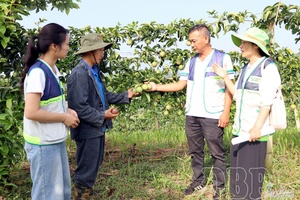
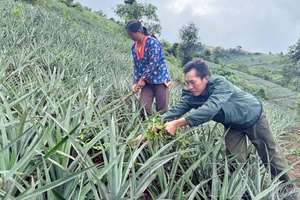
In Mường Chà commune, rural economic development is identified as one of the focal tasks aimed at enhancing new-style rural area criteria quality. The locality emphasizes harnessing its potentials and advantages in agricultural production, progressively diversifying crops and livestock. Currently, the commune boasts over 280ha of cinnamon and 125ha of cardamom; the total herd of livestock and poultry exceeds 126,000. This is an important foundation for the commune to accelerate production development, elevate incomes, and improve residents’ living standards, contributing to fulfilling New-style rural area building targets along substantive and sustainable lines.
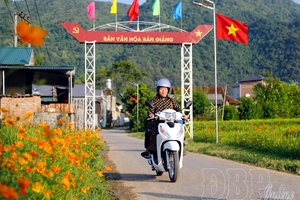
Thùng Văn Viễn, from Na Quang village, shared: “We hope every citizen will continue elevating their awareness and responsibility, proactively developing their household economies, and actively participating in emulation campaigns and contributing their efforts to build new-style rural areas. When the people reach a consensus and join hands with the administration in every specific task, new-style rural area criteria will progressively be perfected, not only transforming the face of the village but elevating incomes and improving the quality of life. This lays the foundation for our homeland to increasingly flourish and develop sustainably.”
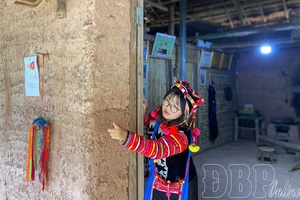
Entering the new phase, New-style rural area building in Điện Biên is shifting strongly toward substantive implementation tailored to the conditions and specificities of each area, wherein the efficacy of criteria fulfillment and transformations in the material and spiritual lives of the people serve as vital benchmarks. On this basis, localities proactively identify focal tasks, exploit potentials and advantages, mobilize and efficiently utilize resources, generate economic development momentum, and progressively perfect infrastructure. Through this, they not only transform the face of villages and hamlets but consolidate the foundation for rural Điện Biên to develop synchronously and elevate the people’s quality of life.
Sầm Phúc
You have 500/500 characters left
Please enter 5 or more characters!!!