



Consequently, they are progressively removing barriers, narrowing the gender gap, and creating conditions for women to confidently rise up and affirm their roles in the family and society.
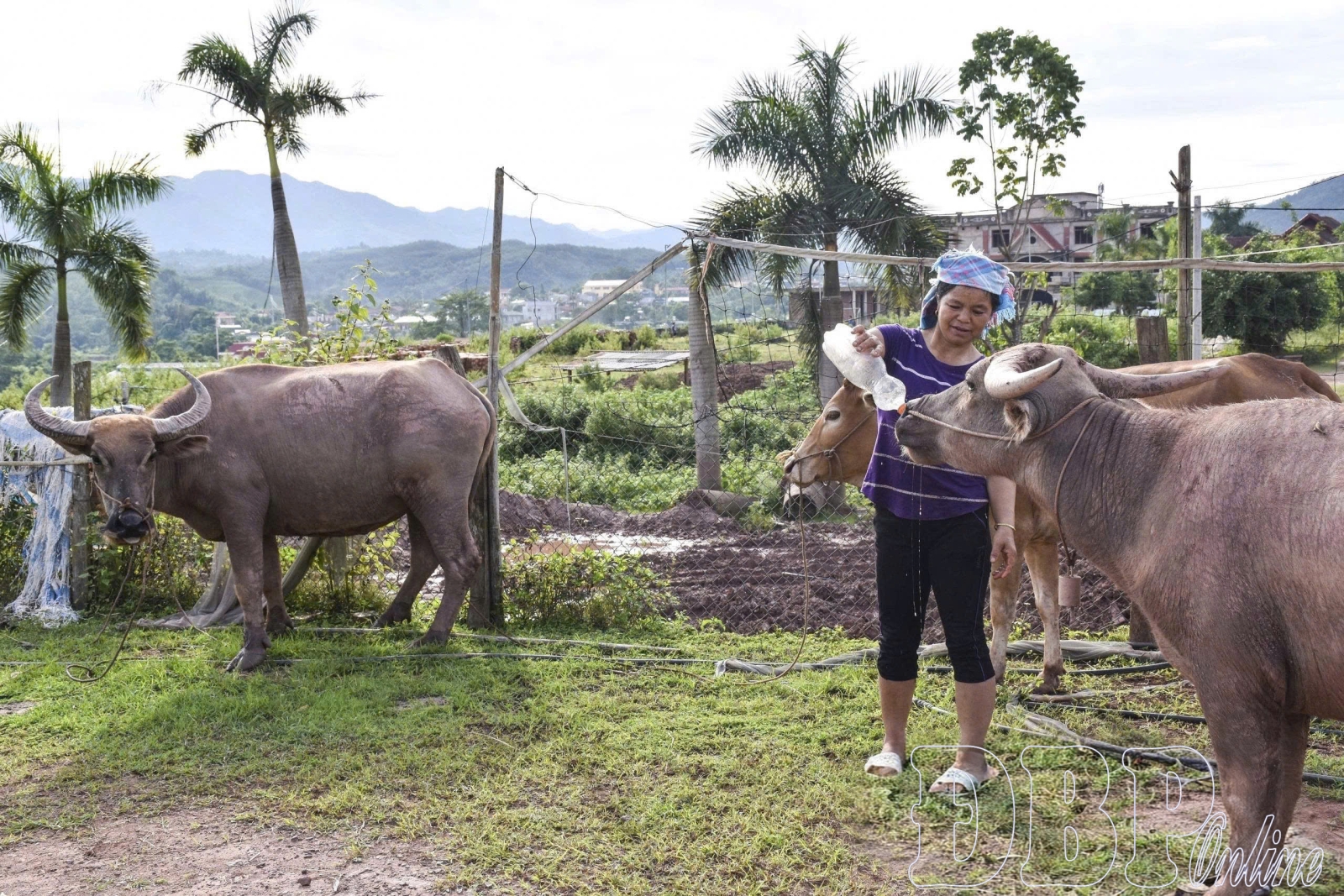
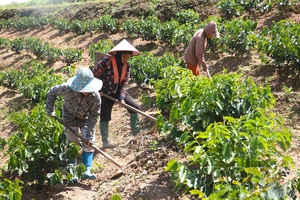
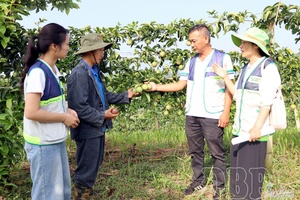
Having been a poor household for many years, the family life of Mùa Thị Hoàn from Mường Nhé village, Mường Nhé commune, relied primarily on agricultural production with an unstable income. A turning point arrived when local Party committees, administrations, and the Commune Women’s Union guided and assisted her in accessing loan capital to develop livestock farming. Encouraged by this, she boldly borrowed VND 80 million from the Bank for Social Policies to invest in a pair of breeding buffaloes. “Initially, I was hesitant because the loan amount was quite large and I lacked experience. Thanks to the constant encouragement from the Union sisters and technical guidance from commune cadres, I felt secure enough to start,” Hoàn confided.
Persistently accumulating experience, focusing on tending her livestock, and utilizing available feed sources, Hoàn progressively expanded her rearing scale. From the initial pair of buffaloes, her family added herds of pigs and goats, investing in suitable barns. Today, after deducting expenses, her family earns an annual income exceeding VND 100 million. Economic stability also affords her the means to provide for her children’s education and improve their lives.
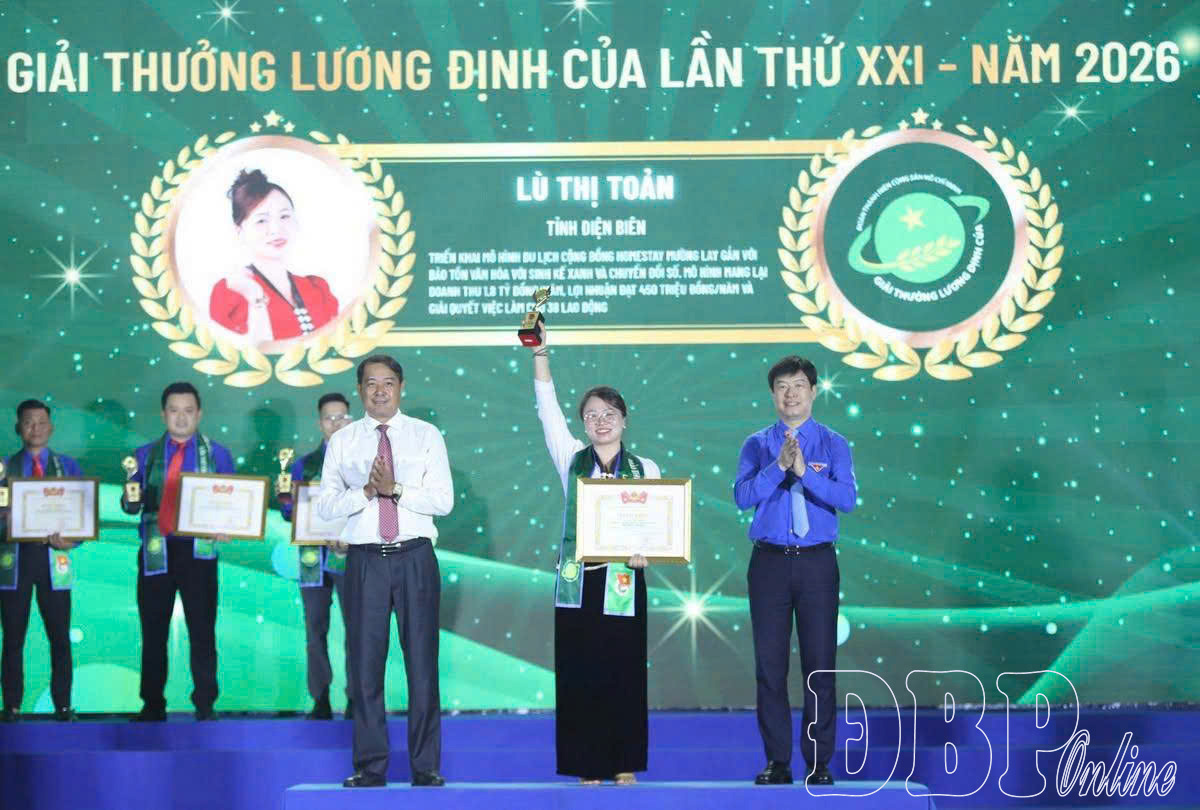
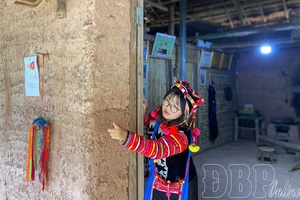
Lù Thị Toản from Quan Chiêng village, Mường Lay ward, chose to develop the economy from the inherent cultural values and landscapes of her homeland. Toản shared: “Mường Lay boasts beautiful scenery, stilt houses, and distinctive Thái cultural traits. Relying solely on swidden farming makes income improvement difficult, whereas tourism can generate added employment, helping residents unleash available advantages.”
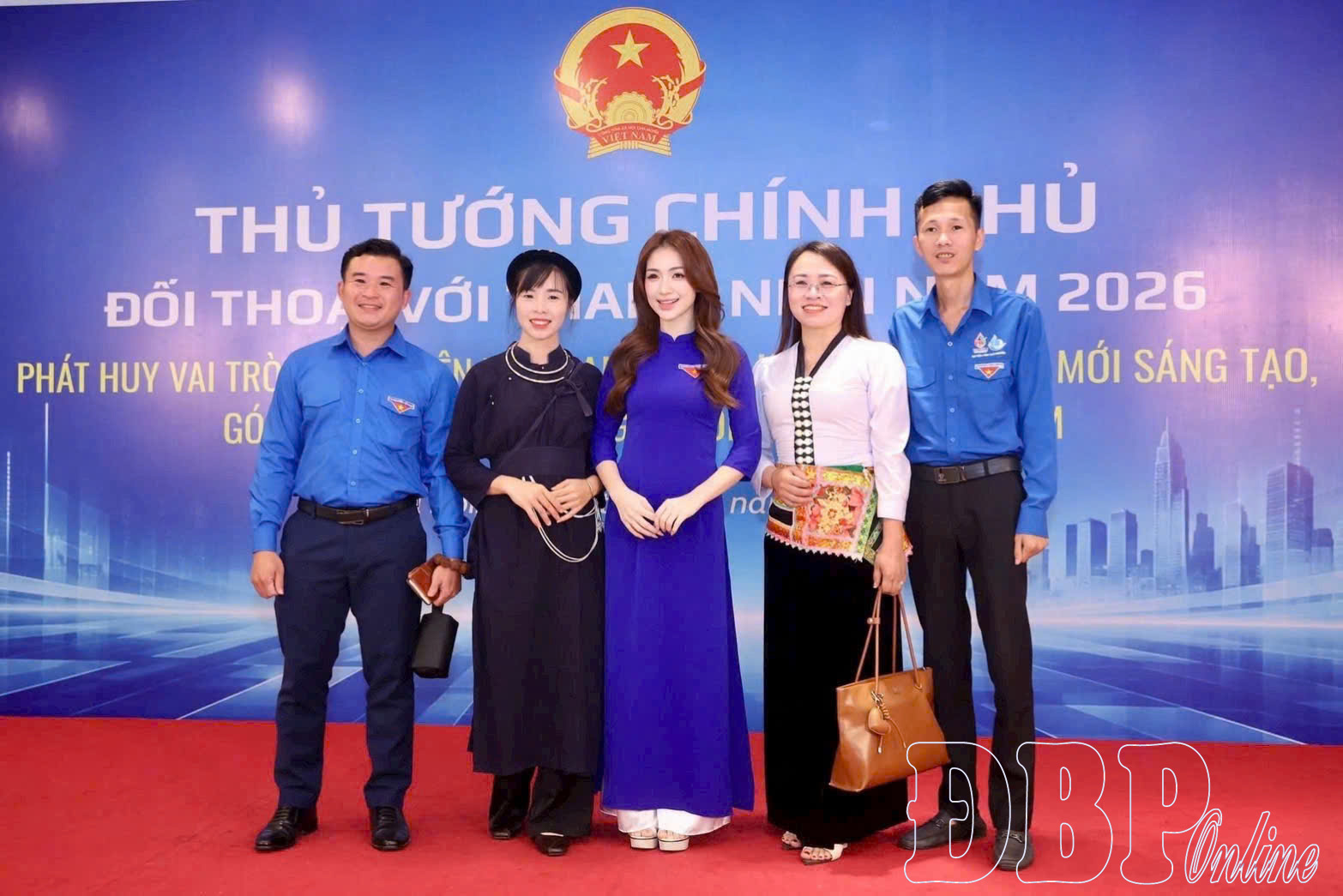
From her family’s homestay model, Lù Thị Toản progressively mobilized local households to join, share experiences, and connect services catering to tourists. In 2023, a women’s group participating in community-based tourism development was established with her as the group leader. By March 2026, the model was further upgraded into the Quan Chiêng Community-Based Tourism Cooperative, linking over 10 accommodation facilities. According to statistics, homestay models in Mường Lay welcome over 2,500 tourist arrivals annually, with estimated revenue reaching VND 1.8 billion, generating stable employment for nearly 50 workers, of which women and youth account for 60%.
Despite numerous shifts in awareness, mindsets, and working methods, in remote and isolated areas of the province, women still encounter considerable barriers in economic development due to a lack of capital, production knowledge, and management skills. Gender prejudices and a mindset of dependency on family finances also impede women’s capacity for proactive development.
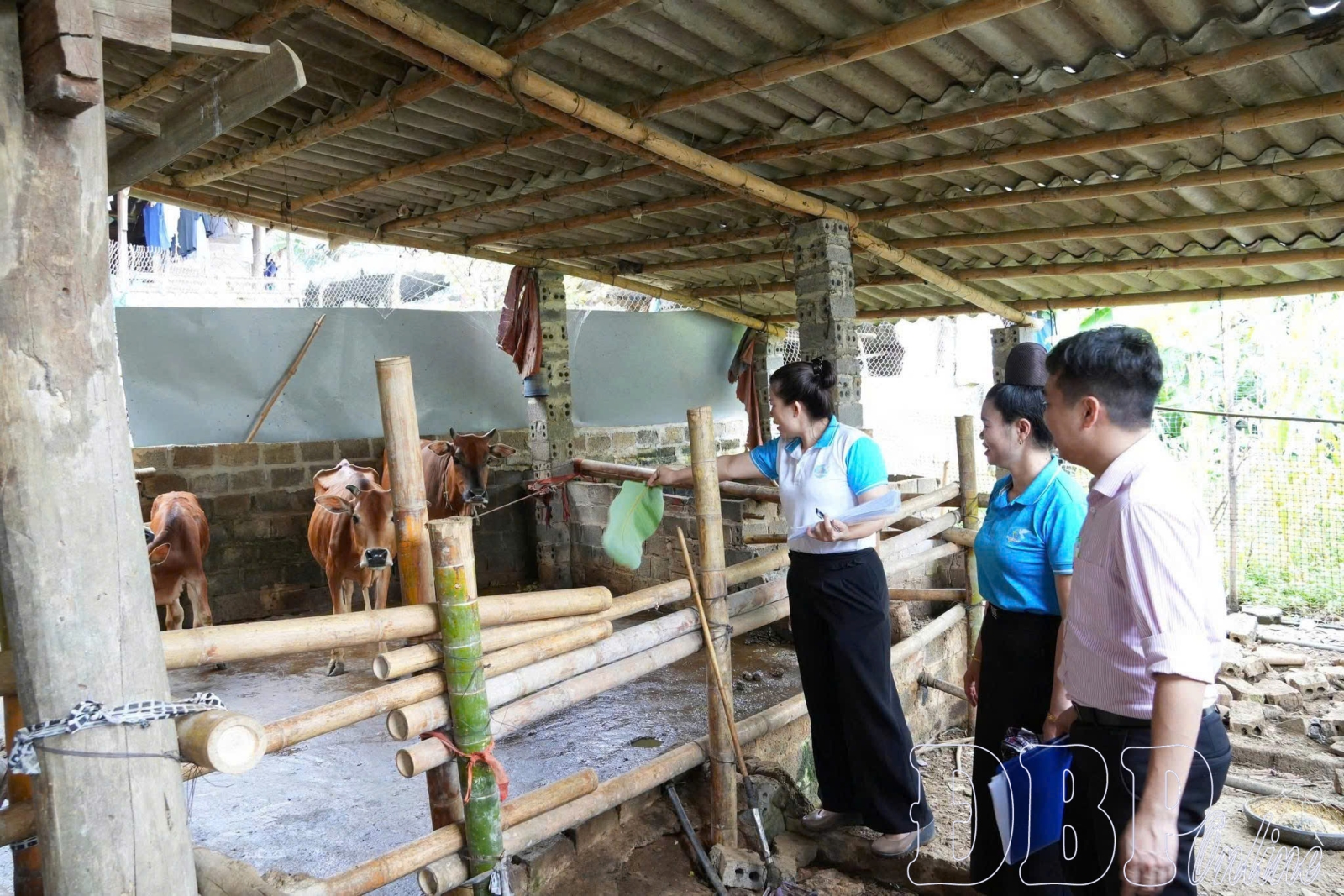
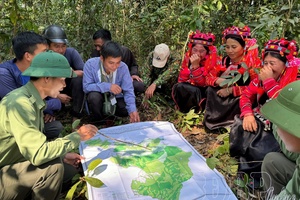
Faced with this reality, Women’s Unions at all levels across the province have deployed numerous support activities tailored to the needs and conditions of various member groups. Within this, emphasis is placed on creating conditions for women to access capital, learn vocational skills, receive scientific and technical transfers, build livelihood models, and develop the collective economy. In the first 9 months of 2026, Unions at all levels assisted over 100 women in familiarizing themselves with online storefronts, livestream sales, and e-commerce platforms; guiding them in photography skills, product promotion, order closing, and customer care. They coordinated with enterprises to organize basic makeup vocational training classes and livestream sales skills for hundreds of disadvantaged trainees.
Alongside vocational training, unions at all levels also support members and women through entrusted lending activities with the Bank for Social Policies. To date, the total outstanding loan balance managed by Women’s Unions across levels nears VND 1,500 billion, involving over 17,900 participating members. Maintained capital sources, coupled with community savings groups, contribute to creating conditions for members to invest in developing household economies, progressively improving incomes.
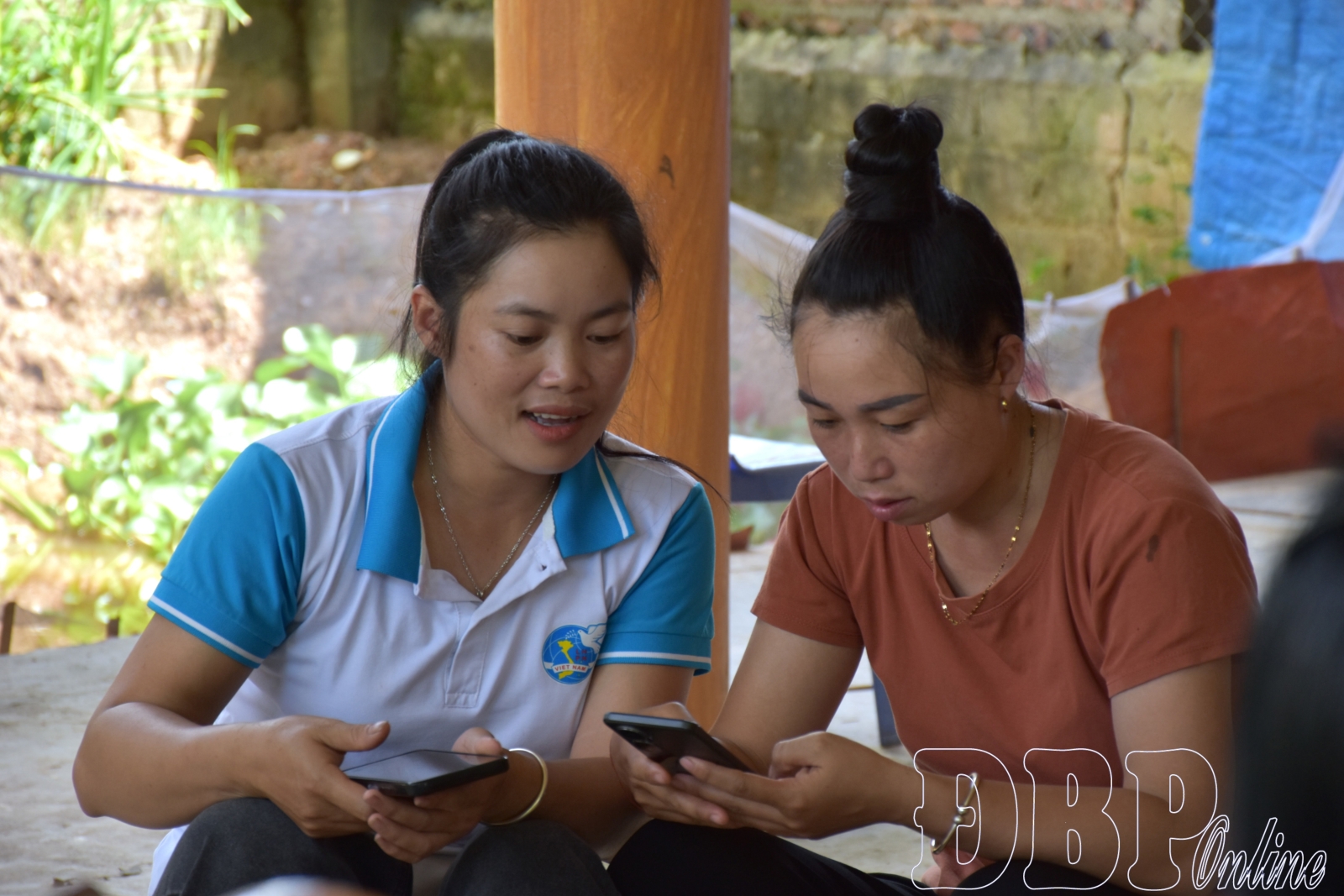
Pờ Diệu Ninh, Vice Chairwoman of the provincial Việt Nam Fatherland Front Committee and Chairwoman of the provincial Women’s Union, stated: “Every woman faces different circumstances and conditions, so the Union always seeks suitable support methods. For those needing capital, we help access loans; for those wanting to learn a trade, we connect them to training and technical guidance; for women with products, we support online promotion and sales. We hope that women will not wait or rely on subsidies but will acquire knowledge, boldly conduct business, generate their own income, and progressively rise through their own strength.”
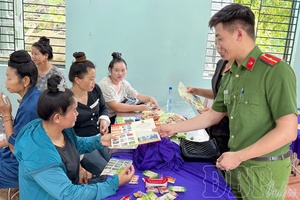
For women to truly secure development opportunities and change mindsets and gender prejudices, Unions at all levels have intensified communication on gender equality, domestic violence prevention and combat, and building prosperous, equal, progressive, and happy families. In the first 9 months of 2026, the entire province organized nearly 400 training and communication sessions drawing over 26,000 participants; and 38 policy dialogue conferences with 2,888 attendees, focusing on issues such as: employment for women; preventing child marriage and consanguineous marriage; and healthcare and protection for women and children.
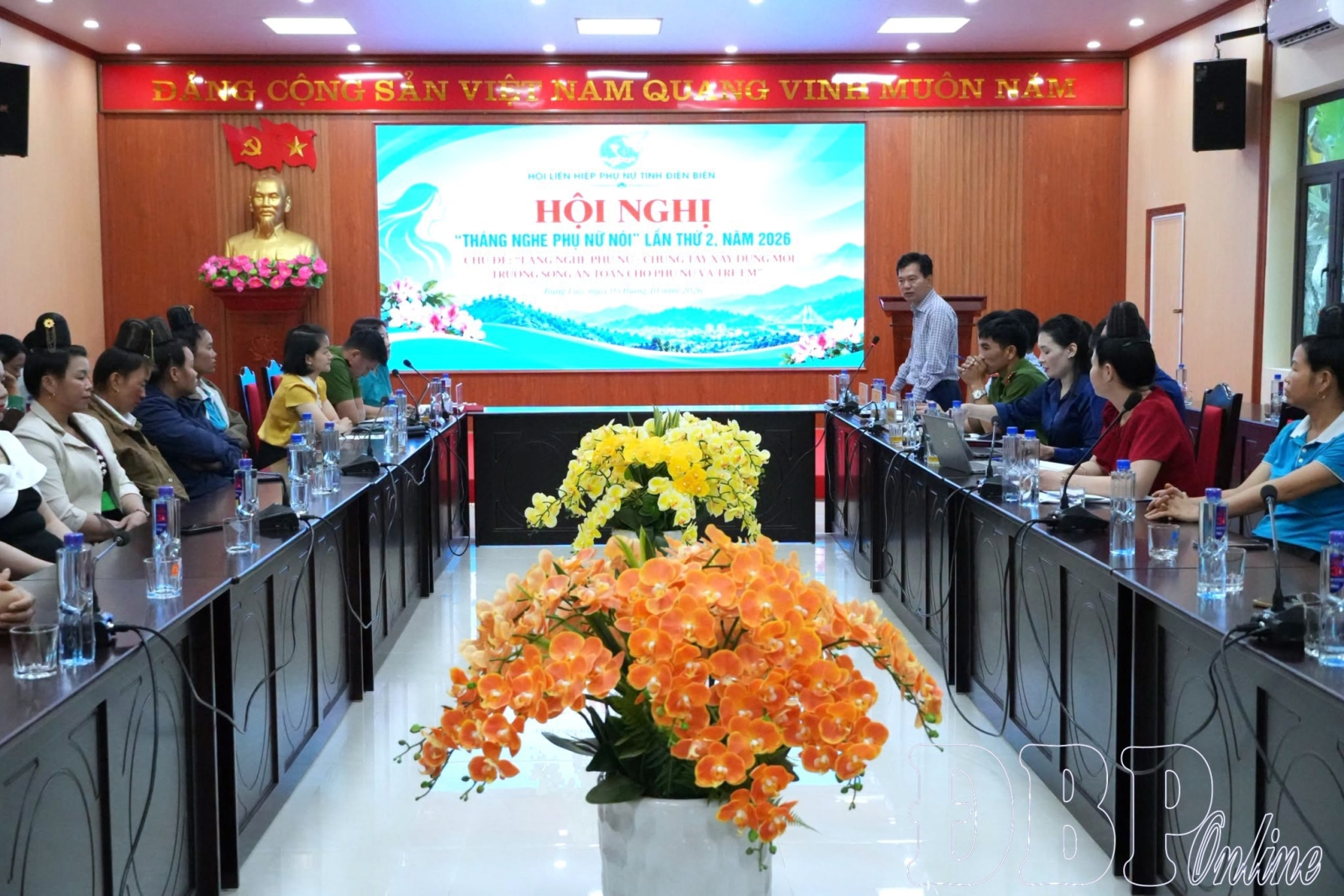
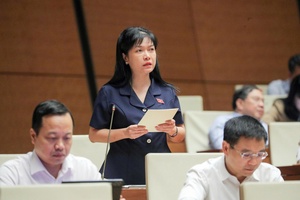
Coupled with economic development, the role and status of women in political and social life are increasingly elevated, reflected through direct participation in elected bodies. During the election of deputies to the National Assembly and People’s Councils at all levels for the 2026-2031 term, the entire province had 622 female candidates, accounting for 37.72% of total candidates. Consequently, 334 women were elected, including 3 National Assembly deputies, 18 provincial People’s Council deputies, and 313 commune-level People’s Council deputies. Notably, the proportion of female commune-level People’s Council deputies reached 33.87%, up 3.03% compared to the previous term. This demonstrates that more and more women are participating in the process of representing, discussing, and deciding upon local and community issues.
According to Pờ Diệu Ninh, narrowing the gender gap first requires helping women secure conditions to rise up, earn incomes, have a voice, and participate in deciding matters concerning themselves, their families, and the community. Therefore, in the coming time, Unions at all levels will continue accompanying and supporting women in vocational learning, economic development, and accessing science and technology, while stepping up communication to shift prejudiced gender notions. The Union also desires every member and woman to always be confident, proactively seize opportunities, discard inferiority complexes and dependency, jointly build equal and progressive families, and make positive contributions to society.
Quang Long

You have 500/500 characters left
Please enter 5 or more characters!!!