



The program has initially generated a shift in teachers’ mindsets and instructional methods, while establishing a child-centered educational environment that encourages children to unleash their proactivity and creativity, progressively developing qualities and capacities right from their formative years.
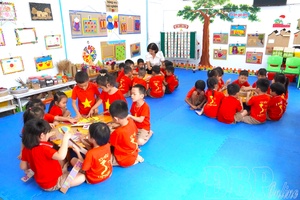
Classes at Thanh Nưa Preschool (Thanh Nưa commune) are bustling with activity. Educational operations are organized flexibly along an open orientation, encouraging children to proactively explore, experience, and demonstrate their capabilities.
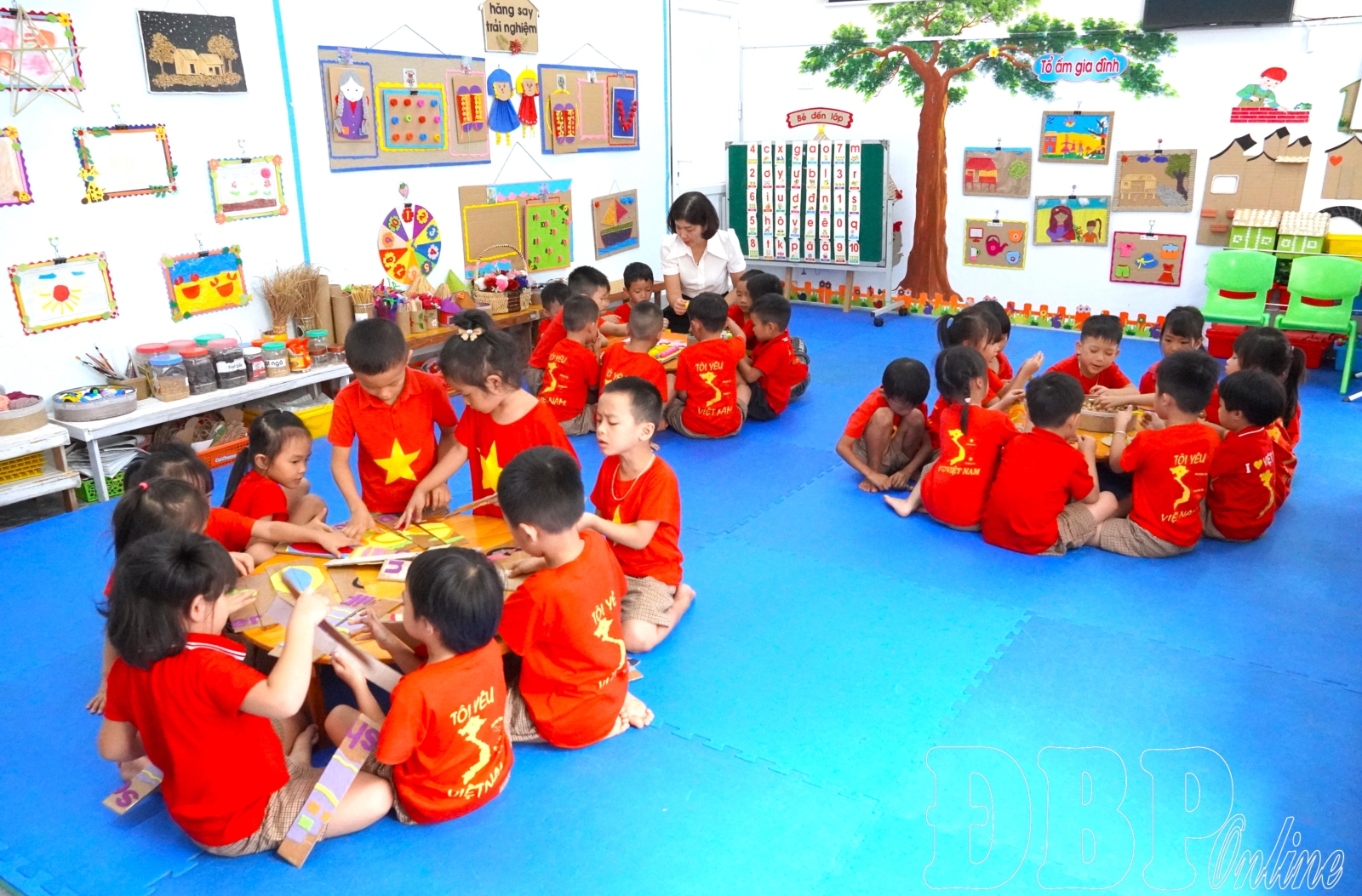
In the 2026-2027 school year, Thanh Nưa Preschool synchronously deployed the pilot program across all of its nearly 60 classes. Teaching under the pilot program, rather than rigidly executing predefined targets and content, teachers proactively observe and evaluate each child’s capacity to select suitable methods. Every lesson and playtime activity becomes an opportunity for children to interact, work in groups, and unleash their positivity and creative capabilities.
“Although the pilot has only run for a short time, the program features many novel aspects by delegating greater autonomy to teachers, centering on the child, and emphasizing the evaluation of a child’s capacity through their participation process in activities,” emphasized teacher Nguyễn Thị Thu Hường, Vice Principal of Thanh Nưa Preschool.
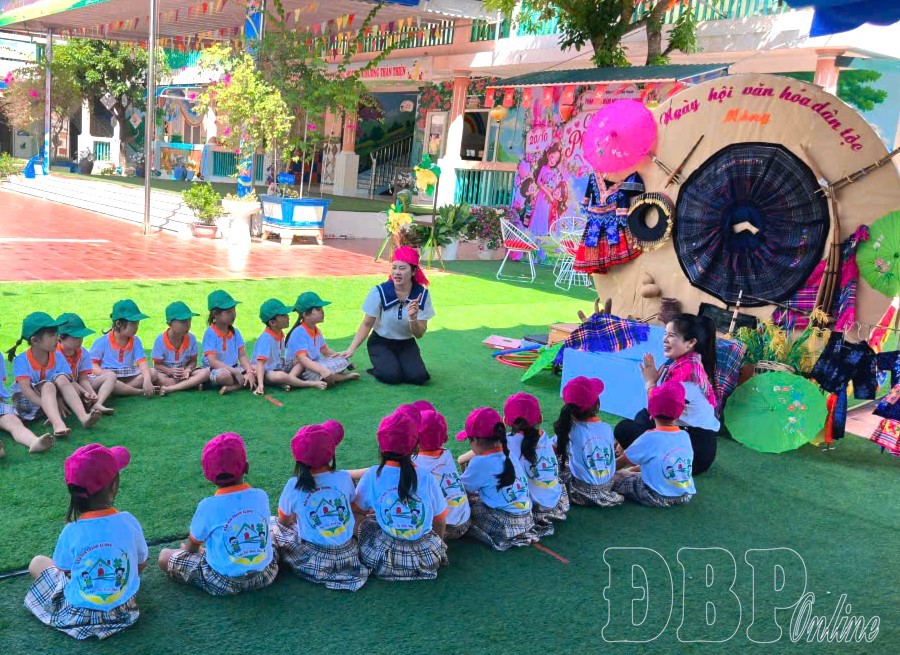
In the 2026-2027 school year, Mường Thanh Preschool (Mường Thanh ward) comprises 1 central school and 4 branch campuses: Hoa Sen, Noong Bua, Hoa Mơ, and Thanh Xương, which were selected to pilot the new ECE program. During the initial deployment phase, teachers struggled to define targets, select content, and formulate educational plans suited to each age group. Faced with new requirements, the school intensified training, professional meetings, and experience exchanges, promptly untangling difficulties and helping teachers step-by-step gain proactivity in organizing activities.
Teacher Đỗ Thị Minh Mẫn, Principal of Mường Thanh Preschool, stated: The new program adopts an approach geared toward developing the qualities and capacities of children through integrated education and experiential learning. Children learn through play, exploration is encouraged, and evaluation focuses on the individual progress of each child. This requires early childhood education facilities to shift from an approach heavily weighted toward transmitting knowledge to organizing activities, observing, and accompanying children throughout their developmental process. Thanks to the synchronous execution of solutions and the proactivity of teachers, to date, the school has piloted the program quite flexibly - by themes, months, events, or projects, combining STEM integration and increasing experiential learning opportunities for children.
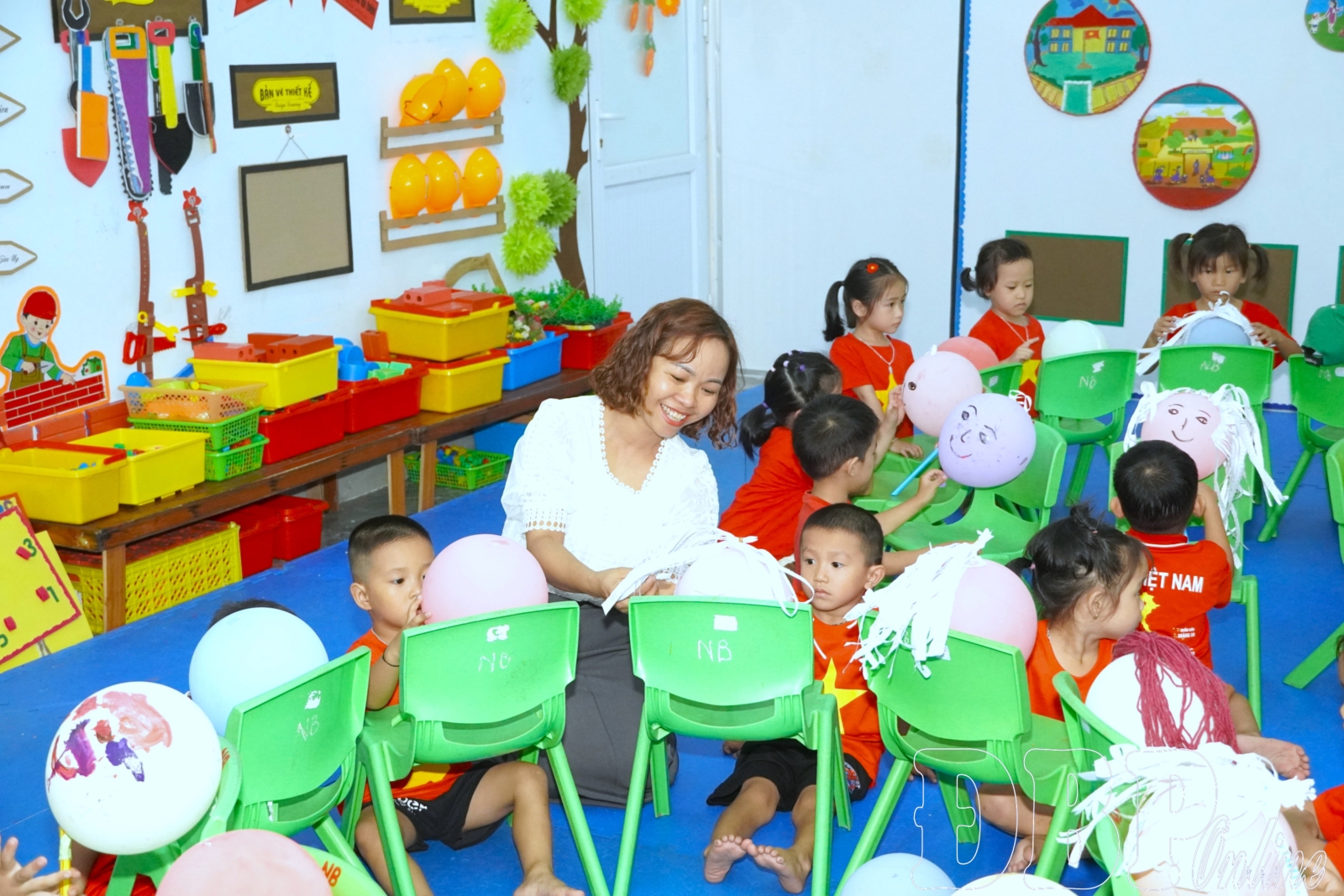
For the 2026-2027 school year, Điện Biên is one of the localities selected by the Ministry of Education and Training to pilot the new ECE program under Decision No. 388/QĐ-BGDĐT dated February 12, 2026. Initially, the entire province had 15 preschools registered to participate in the pilot across 6 communes and wards, comprising: Điện Biên Phủ, Mường Thanh, Thanh Nưa, Thanh Yên, Núa Ngam, and Tuần Giáo.
Following the execution of the policy to reorganize educational facilities, the 15 schools were restructured into 7 schools (43 school sites and branch campuses), encompassing nearly 300 groups and classes with over 6,410 children participating in the program. Although the initial stages harbor numerous difficulties regarding staffing, material facilities, and organizational conditions at the school sites, the deployment process is progressively generating transformations in management mindsets, educational methods, and child care and nurturing activities.
Recognizing that piloting is a concurrent process of deployment and refinement, the Department of Education and Training has emphasized fostering and elevating the capacity of the management cadre and teacher contingent. Concurrently, it requested localities to prioritize allocating sufficient management cadres, teachers, and staff; and integrating capital sources to supplement equipment, supplies, toys, and learning materials for schools, contributing to establishing an approachable learning environment suited to practical conditions.
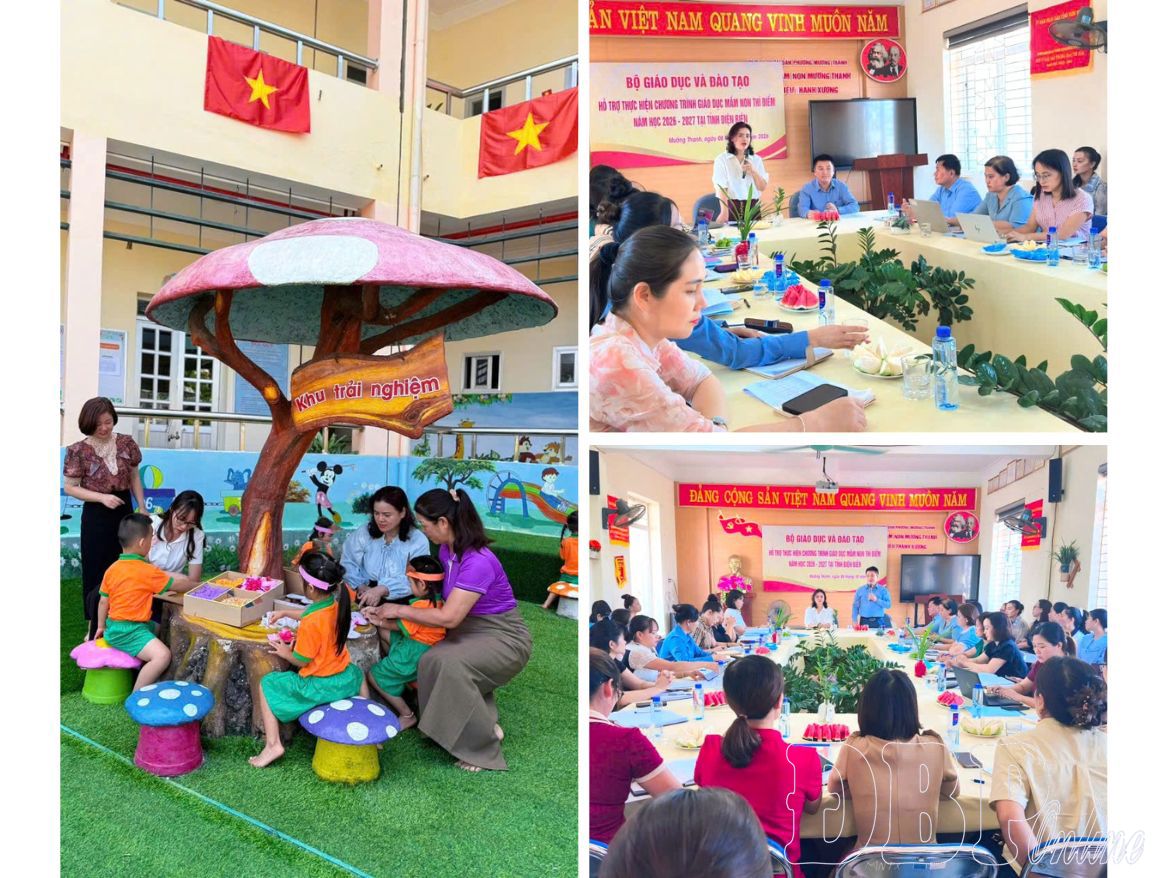
Cù Huy Hoàn, Deputy Director of the Department of Education and Training, stated: To date, fundamental conditions serving the program have step-by-step been secured. 100% of teachers meet or exceed standardized training qualifications; 92% of classrooms are solid structures, with no remaining temporary classrooms; and the minimum required supplies and toys in classes reach nearly 95%. The system of playgrounds, kitchens, and essential works fundamentally meets child care and educational requirements.
Although the deployment period has spanned less than two months, initial transformations have been recorded straight from the daily learning and living activities of the children. Nguyễn Minh Huệ, a parent of a student at 7 tháng 5 Preschool (Điện Biên Phủ ward), expressed: The pilot program, employing a child-centered educational method, provides the children with more opportunities to self-select activities, coordinate with friends, and resolve age-appropriate situations. The children’s proactivity in class has cultivated a sense of self-discipline in their daily activities and routines at home.
With the proactivity of the Education sector, the responsibility of schools, and the accompaniment of parents, the pilot program is progressively laying the foundation for educational innovation starting from the very first academic level. More importantly, educational activities increasingly target the needs, capabilities, and progress of each child, contributing to forging the initial bedrock of qualities and capacities, and packing the essential baggage for children to advance to subsequent educational levels.
Phạm Quang

You have 500/500 characters left
Please enter 5 or more characters!!!