



Across its assigned jurisdiction, the Market Management Team No.1 under the Điện Biên provincial Market Management Sub-Department is stepping up communication, inspection, and monitoring to proactively prevent and block these items from circulating in the market.
Market Management Team No.1 is tasked with overseeing Điện Biên Phủ ward alongside the communes of Mường Phăng, Mường Pồn, Nà Tấu, Mường Ảng, Búng Lao, Mường Lạn, and Thanh Nưa. This territory features diverse commercial trade, encompassing over 150 licensed tobacco retail establishments concentrated predominantly within Điện Biên Phủ ward.
Given the relatively large number of business establishments, overseeing tobacco commercial activities - specifically e-cigarettes and heated tobacco products - is carried out regularly by the team. From the beginning of the year, the unit proactively monitored local developments, inspected, and supervised commercial establishments while coupling enforcement with communication and guidance to ensure compliance with legal regulations. Business households were mobilized to sign commitments pledging adherence to statutory rules, proactive control over merchandise sources, and refusal to trade in prohibited e-cigarettes and heated tobacco items.
.jpg)
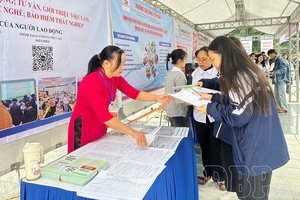
Văn Thiện, Head of the Market Management Team No.1, stated that communication must take the lead, particularly when new regulations directly affecting business activities emerge. During operations, the team concentrates on explaining responsibilities to retailers, spanning inventory selection to verifying paperwork and invoices. Regarding e-cigarettes and heated tobacco products, the unit closely monitors local transactions and pays special attention to online advertisements and dealings. Since the beginning of the year, no instances of trading or selling e-cigarettes or heated tobacco products have been detected within the team’s assigned territory.
For retail establishments, receiving concrete guidance helps sellers exercise proactive control over merchandise, avoiding products of unclear origin, checking invoices and documentation, and eliminating prohibited goods.
Nguyễn Huy Luyến from Him Lam Department Store in Điện Biên Phủ ward shared that through communication and guidance from functional forces, the store gained a clearer understanding of tobacco regulations. When importing stock, the business selects reputable suppliers with transparent information and valid documentation, while inspecting products prior to retail display. Regarding e-cigarettes and heated tobacco products, the establishment is fully aware that these items are banned from sale and therefore refrains from importing them.
Electronic cigarettes and heated tobacco products contain nicotine - an addictive substance capable of impacting the nervous, cardiovascular, and respiratory systems. Prolonged use threatens human health by diminishing focus, prompting psychological disorders, and heightening the risk of cardiovascular ailments, respiratory conditions, and other disorders. These repercussions are especially concerning for adolescents and youth, a demographic easily swayed by modern advertising, packaging designs, and usage trends associated with novel tobacco products.
Confronting this reality, the management of electronic cigarettes and heated tobacco products has been tightened in alignment with Resolution No.173/2024/QH15 of the National Assembly. Under this resolution, starting in 2025, the manufacturing, commercial trading, importation, storage, transport, and usage of e-cigarettes, heated tobacco products, and hazardous gases or addictive substances harmful to human health are strictly prohibited. This forms the legal bedrock for elevating business responsibilities in controlling stock origins and keeping prohibited items out of market circulation.
Strictly enforcing prohibitions on electronic cigarettes and heated tobacco products requires coupling vendor accountability with proactive oversight by market regulators and public consumer awareness. Intensifying communication, inspections, and market control - particularly across cyberspace - will contribute to preventing these products from circulating, thereby securing a healthy commercial environment and protecting public health.
Thùy Trang
.jpg)
.jpg)
.jpg)
.jpg)
.jpg)


.jpg)
.jpg)
.jpg)
.jpg)




.jpg)
You have 500/500 characters left
Please enter 5 or more characters!!!