



In Bó Mạy village, Mường Ảng commune, meat seasoned and dried using traditional methods has become a branded commercial product under Lò Thị Hiên, owner of the Hiên Hiên kitchen-hung meat facility. Traditionally a familiar dish in the daily lives of the Thái ethnic people, kitchen-hung meat (thịt gác bếp) was previously prepared mainly for consumption during holidays, Tết, or to host guests. Recognizing the distinctive flavor and market potential of this traditional specialty, Lò Thị Hiên boldly developed it into a marketable commodity.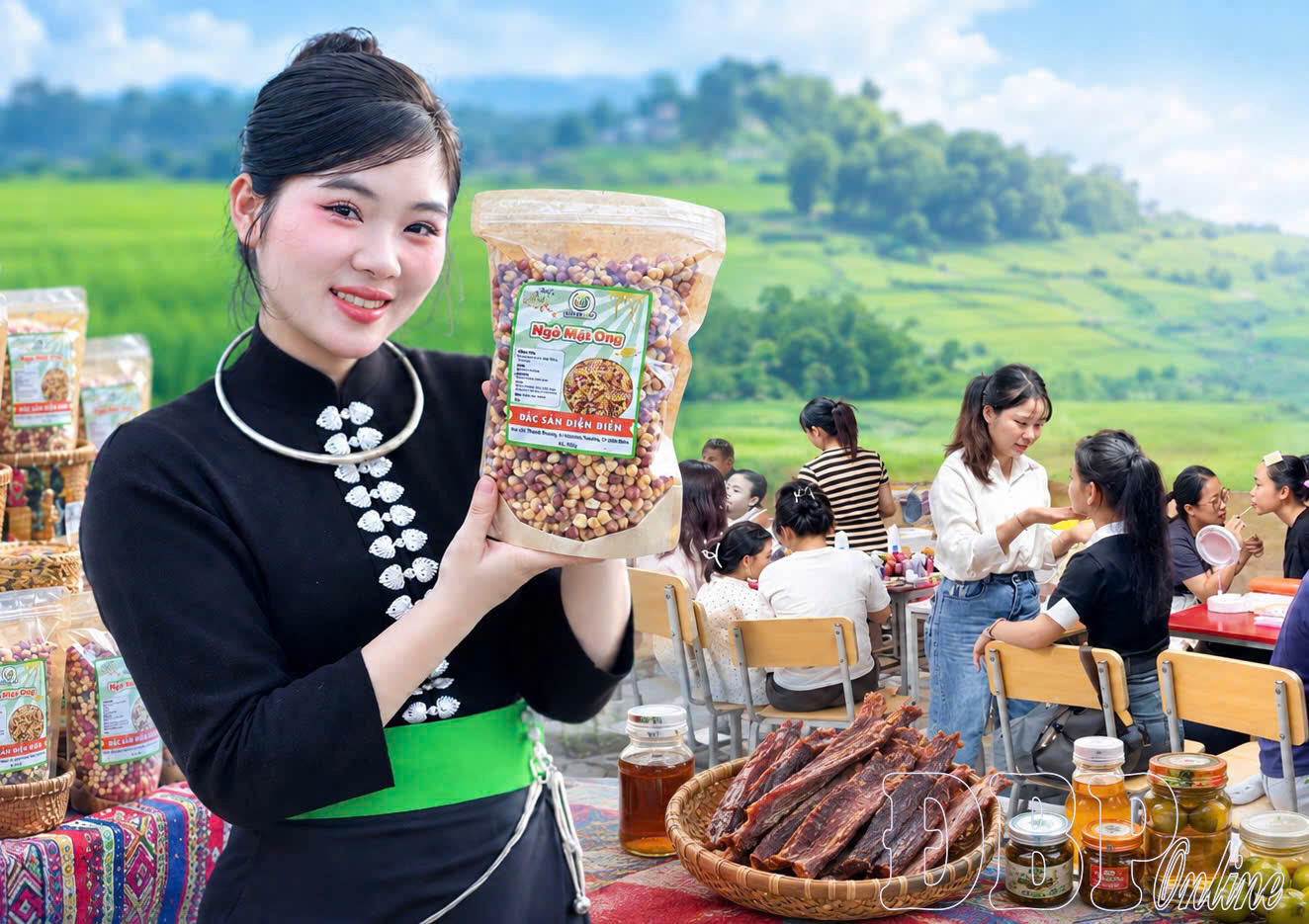
Transitioning from a home dish to a branded product was a journey of continuous adaptation. Lò Thị Hiên steadily perfected each phase - from selecting ingredients, processing, seasoning, smoking, and preserving to researching market demand, product introductions, and distribution.
Throughout that journey, the provincial Women’s Union and grassroots women’s organizations facilitated her participation in training courses, helping her acquire production and business expertise while joining networking and product showcase events. Through these programs, Lò Thị Hiên gained opportunities to exchange experiences, expand market relationships, and modernize production practices.
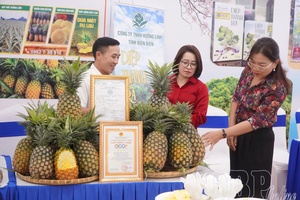
Progressing from batches made through familial experience, the Hiên Hiên establishment refined its process, focusing on quality control, packaging, aesthetics, and branding. In 2024, the Hiên Hiên kitchen-hung meat product received 3-star OCOP certification. This served as a vital milestone, fostering consumer trust and expanding commercialization avenues.
Lò Thị Hiên stated: “During product development, Women’s Unions at all levels enabled me to take part in matchmaking activities, showcases, and experience exchanges. Thanks to this, I had more opportunities to bring products closer to consumers, build a recognizable brand, and broaden distribution channels. This motivates me to maintain the traditional craft and invest in business expansion.”
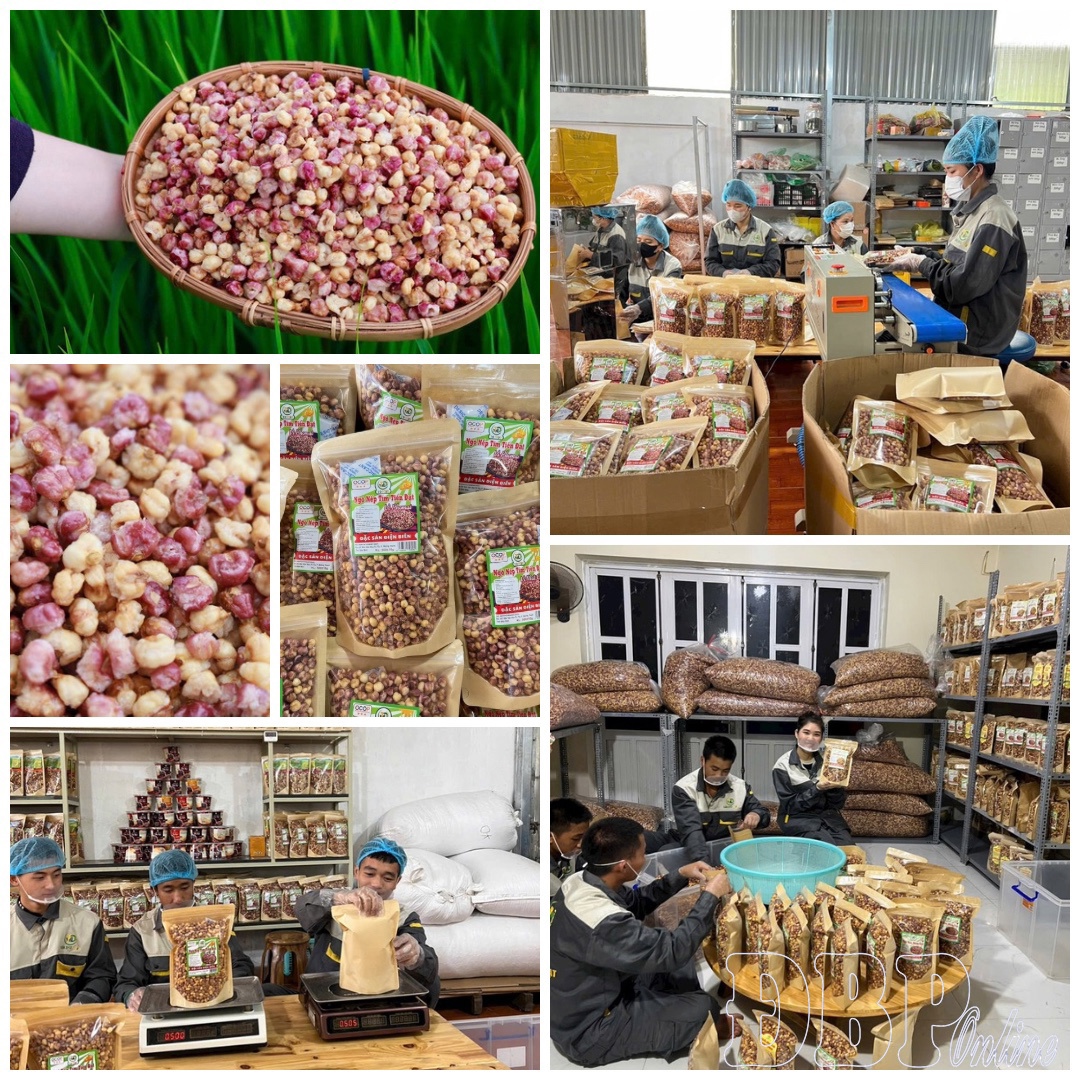
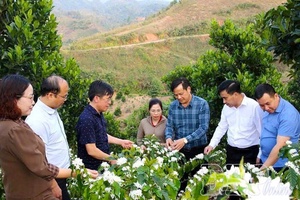
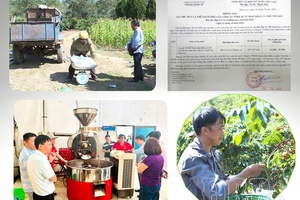
Rather than selling raw maize, Cà Thị Hoa from Mường Thanh ward chose to process it into dried corn snacks to elevate product value, extend shelf life, and meet market demand. The purple sticky corn product she developed was incorporated into Tiến Đạt Cooperative, progressively refining production workflows, establishing brand identity, and attaining 3-star OCOP certification.
During her entrepreneurial journey, Women’s Unions at all levels facilitated her attendance at training workshops to acquire production and business acumen, product development know-how, and sales operations skills. This provided her with a firmer foundation to adjust products according to market demand, building confidence throughout business expansion.
“Through training classes, I acquired practical knowledge, from product enhancement to organizing commercial sales. With the companionship of the Women’s Union, I have greater motivation and confidence to grow dried corn into a stable, enduring product, creating jobs for local workers,” Cà Thị Hoa shared.
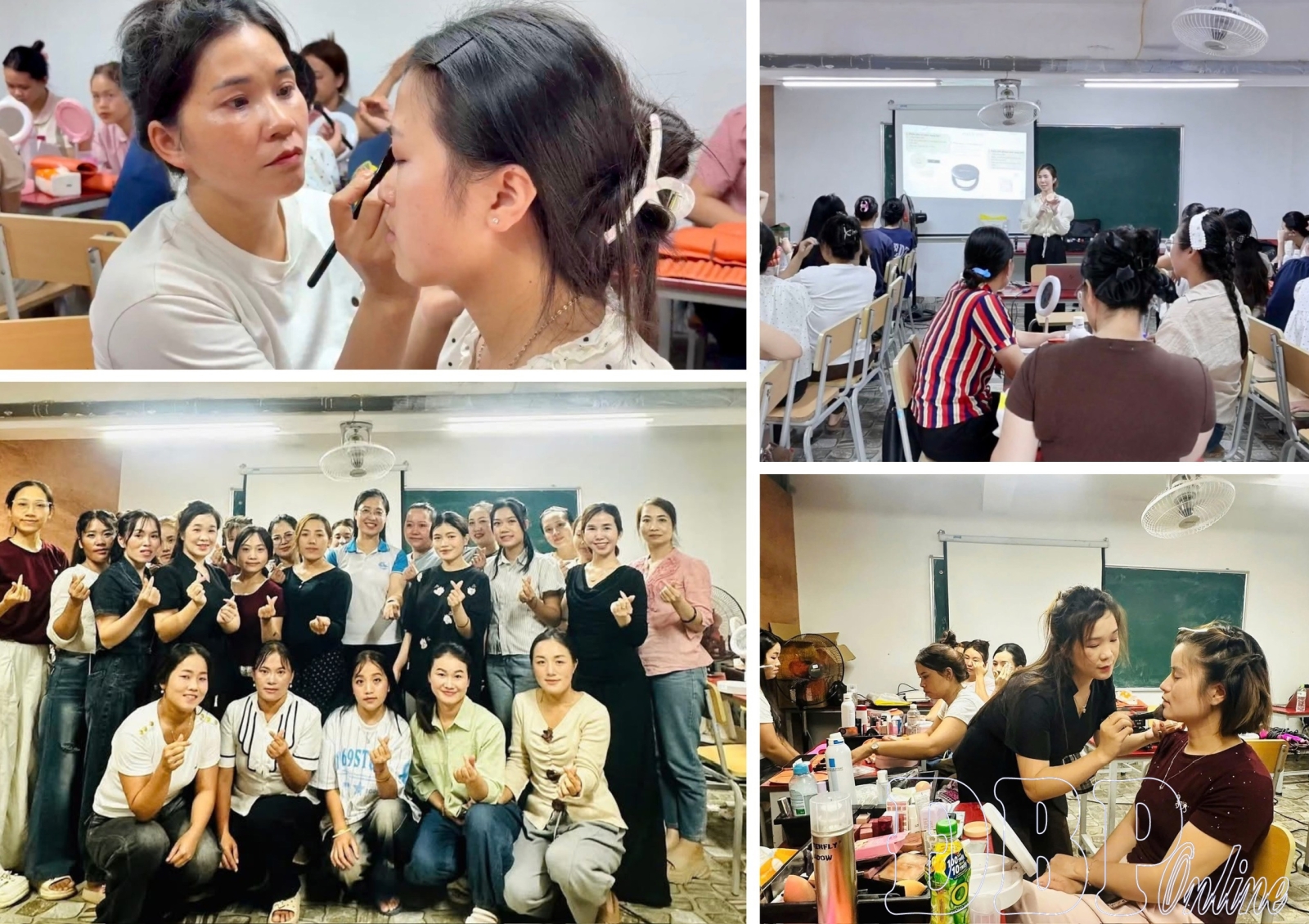
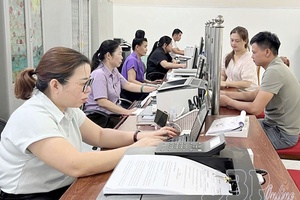
While support for women with existing products centers on optimizing operating models and expanding consumer outlets, equipping vocational skills for those without a trade provides the initial stepping stone to building livelihoods. Since July 2026, the provincial Women’s Union has collaborated to offer free vocational training classes, targeting employment-generating areas aligned with practical demand, including makeup artistry, online sales, and hairstyling. The courses emphasize hands-on practice, helping trainees acquire trade skills ready for post-training application.
Hờ Thị Húa from Mường Nhé commune was among 40 trainees attending a vocational makeup class funded by L’Oréal Vietnam Co., Ltd. and organized in coordination with the provincial Women’s Union. The course prioritized disadvantaged women, the unemployed, or those aspiring to enter the beauty industry. Over approximately two weeks, students received training in makeup techniques, hands-on practice, and customer care skills.
Hờ Thị Húa shared that for women lacking stable jobs, free vocational training reduces initial financial burdens, creating opportunities to secure employment or start their own ventures. “Joining the class, I practiced numerous makeup techniques and learned proper customer service. This is a trade I can pursue locally that suits my conditions. After the course, I will keep practicing to provide makeup services and generate supplemental income for my family.”
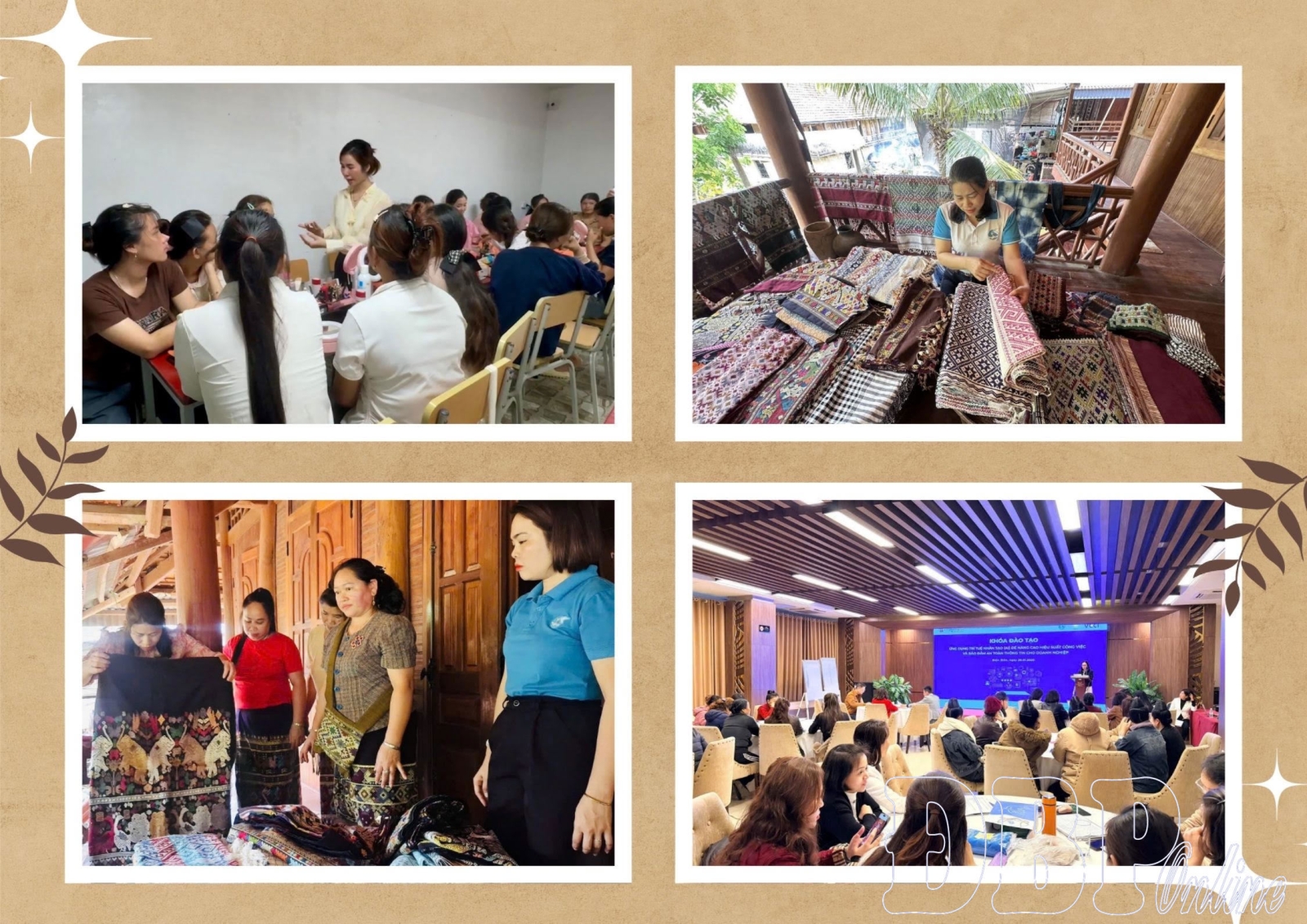
From backing traditional crafts and agricultural processing to vocational education for employment, these stories demonstrate that the Women’s Union’s support is being carried out across diverse directions suited to individual needs and conditions.
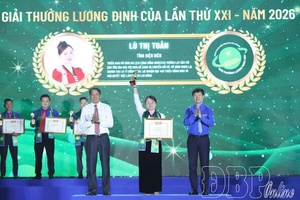
Pờ Diệu Ninh, President of the Điện Biên provincial Women’s Union, stated: “The Union identifies supporting women in starting businesses and commercial ventures as a vital solution to advance women’s economic empowerment. Therefore, alongside support in knowledge, capital, product development, and market linkages, the Union emphasizes collaborating with organizations and enterprises to offer vocational training and skill-building so women can self-generate employment and develop livelihoods suited to their circumstances. The objective is to provide women with expanded options and capabilities to confidently develop their household economies.”
Offering opportunities and empowering ethnic minority women to start businesses does not end with assisting a single economic model, but aims toward building competence, professional capacity, and autonomy. Equipped with knowledge, livelihoods, and market connections, women can leverage personal strengths to advance in life.
Minh Thảo


You have 500/500 characters left
Please enter 5 or more characters!!!