



AI-generated fake news can be identified through a number of signs in images, audio and content. In images and videos, faces may appear rigid, with unnatural expressions; lip movements may not match the audio; blinking may be unusual; or skin tones and shadows may be inconsistent. In audio, voices may sound monotonous and lack emotion, have unnatural pauses or rhythm, or contain electronic background noise.
What is concerning is that tell-tale signs once associated with AI-generated content are becoming increasingly difficult to detect as Deepfake technology continues to advance. Faces, expressions, lip movements and voices can now be generated with increasing realism, making it more difficult to identify manipulated content simply by relying on visual or auditory impressions.
.png)
Therefore, social media users need to pay attention not only to the content itself but also to the way information is presented. Sensational information designed to create a sense of urgency such as requests to transfer money, prize notifications or offers of “easy jobs, high pay” should be treated with caution and verified through official sources before being believed or shared.
Senior Captain Dương Thế Hải Ngọc, Deputy Head of the Cybersecurity and High-Tech Crime Prevention Division of the Điện Biên provincial Police, said that when faced with unverified information, information of unclear origin or content showing unusual signs, people should exercise caution and avoid immediately believing, sharing, commenting on or disseminating it. They should proactively verify and cross-check such information against official sources, including press and media agencies, official websites and portals, and official social media accounts of state agencies, the Police and local authorities. For information concerning family members, particularly requests to borrow money, transfer money or provide personal information, people should verify it through an independent communication channel by making a direct phone call or meeting the person in question before taking any action.
In particular, people can follow the “True or false? Verification” news segment, broadcast daily at 7:55 P.M. on VTV1. By providing analysis and verification of information circulating in cyberspace, the program enables viewers to cross-check information, identify misleading content and improve their verification skills before sharing.
To raise public awareness and equip people with the skills needed to identify and verify information amid the increasingly complex impact of misinformation, particularly content generated using AI technology, the “Trust AI? - Verify before you trust” communication campaign has been actively implemented throughout Điện Biên province.
The campaign emphasizes the core principle of “Pause for a moment before believing and sharing”, while encouraging people to apply the four-factor rule: Source, evidence, context and motive when evaluating information before accepting or spreading it.
.jpg)
To date, the campaign has involved 86/86 fanpages and more than 2,000 officers and soldiers, generating more than 2.236 million posts and shares. More than 4,320 video screenings have been shown on public screens, while 32 KOLs/KOCs and the Digital Trust Club have contributed more than 455 shares. The campaign primarily targets social media users aged 14 to 55, with an expanded target audience including people over 55, as well as organizations and businesses.
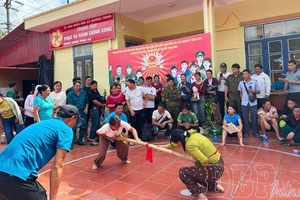
For older people, particularly those with limited digital skills and access to information in the digital environment, identifying and verifying fake news can be challenging. This group also tends to have fewer opportunities to access online forms of communication. Therefore, commune-level Police work with village elders, village heads and respected local figures to provide direct guidance and explanations using specific, easy-to-understand examples, helping people know how to respond when they encounter unverified information. Communication activities are flexibly carried out through village meetings, public-address systems and community Zalo groups, bringing information-identification and verification skills closer to people at the grassroots level.
When people have the necessary skills to identify and verify information, while also recognizing their responsibility when receiving and sharing information in cyberspace, fake and misleading information can gradually be curbed, making it less likely to spread easily and cause negative impacts on society. This also provides a foundation for building a healthy and safe information environment and strengthening the community’s ability to protect itself against emerging challenges in the digital era.
Nhật Oanh
.jpg)




.jpg)
.jpg)


.jpg)
.jpg)
.jpg)
.jpg)


.jpg)
You have 500/500 characters left
Please enter 5 or more characters!!!