



Điện Biên currently has approximately 214,600 children under the age of 16, accounting for 31.7% of the province’s population. They represent the future workforce and are a group that deserves the best possible care, protection, and opportunities for development. Nevertheless, incidents involving accidents, injuries, drowning, violence, and child abuse continue to occur in many areas, particularly in remote and mountainous communities. In the first six months of the year alone, the province recorded 1,321 child injury cases, including 13 fatalities. These figures serve as a warning about the responsibility of families, schools, and society as a whole in protecting children.
.jpg)
This year’s summer vacation has only reached its halfway point, meaning the risk of accidents and injuries remains present, especially during the peak rainy season. Rising water levels in rivers, streams, ponds, and reservoirs, combined with strong currents, create significant drowning hazards. A single moment of inattention from adults or a brief moment of impulsiveness from a child can result in tragic and irreversible consequences.
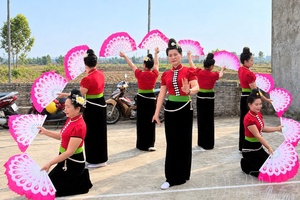
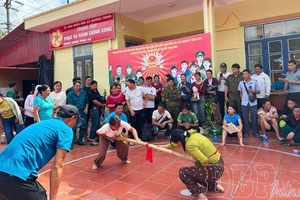
In reality, children in central wards and communes have greater opportunities to participate in summer activities. Swimming, football, badminton, martial arts, modern dance, baking classes, and various cultural and artistic talent programs are organized by agencies, organizations, and institutions, attracting large numbers of students. These beneficial activities not only improve children’s physical and mental well-being but also help develop communication skills, teamwork, and discipline. More importantly, participation in group activities reduces the amount of time children spend on mobile phones, television, or uncontrolled social media use.
Meanwhile, children in many highland communes continue to face considerable disadvantages. Economic hardship, inadequate facilities, and geographical isolation make it difficult for many localities to organize regular recreational activities. After the school year ends, many children spend most of their time at home or accompany their parents to fields and farms. Without playgrounds or proper guidance, they are more likely to swim in rivers, streams, ponds, and lakes or engage in activities that may pose significant risks. This is one of the key factors contributing to the higher incidence of accidents and drowning in rural and mountainous areas.
.jpg)
Ensuring children’s safety during the summer is not solely the responsibility of families; it is a shared duty of the entire political system and society. In addition to educating children about life skills, self-protection skills, and accident and drowning prevention, greater attention must be paid to strengthening adults’ responsibility for supervising and monitoring children.
Local authorities should review and identify hazardous areas such as rivers, streams, ponds, reservoirs, and water-filled construction pits, while installing warning signs and protective barriers at high-risk locations. Relevant agencies should intensify public awareness campaigns through methods tailored to specific localities and target groups, particularly in ethnic minority communities where awareness of accident prevention remains limited. Before students begin their summer break, schools should continue equipping them with basic knowledge and skills related to drowning prevention and emergency response.
Mass organizations such as the Youth Union, Women’s Union, Red Cross Society, and volunteer clubs should further promote their role in organizing summer activities, swimming lessons, life-skills training programs, and safe, healthy recreational spaces for children. Each residential community should maintain cultural and sports activities suited to local conditions in order to encourage children’s participation.
.jpg)
In the long term, the province should invest more resources in grassroots cultural and sports facilities, particularly in remote, mountainous, and disadvantaged areas. Every commune and village should have community activity centers and playgrounds for children. At the same time, social resources from businesses, organizations, and benefactors should be mobilized to support the construction of playgrounds, libraries, talent-development classes, and experiential learning programs for children in mountainous regions.
A safe summer provides the foundation for children to create positive memories and develop both physically and mentally. A little more care from every family, one more practical solution from every locality, and one more child-focused activity from every organization can help prevent tragic accidents from occurring.
Tùng Lĩnh
.jpg)

.jpg)
.jpg)
.jpg)

.jpg)
.jpg)
.jpg)
.jpg)
You have 500/500 characters left
Please enter 5 or more characters!!!