Bringing traditional sports back into daily life

ĐBP - Folk games and traditional sports have long been part of everyday cultural life, closely tied to labor, production, and community customs, passed down from generation to generation. To preserve and promote ethnic cultural identity, Điện Biên province has been carrying out a range of activities to safeguard and develop these traditional practices.

In recent years, the province and its localities have placed greater emphasis on organizing traditional sports, often integrating them into festivals, holidays, and community events. These activities help create a vibrant atmosphere, strengthen community bonds, and expand the cultural space where ethnic traditions can be practiced and shared.

Folk games and traditional sports embody cultural values passed down through generations.


However, as ethnic communities evolve and cultures blend, many festivals and customs risk fading away. The number of people who understand, practice, or can pass on traditional sports continues to decline.

The Lào ethnic community, one of 19 ethnic groups living in Điện Biên, is concentrated mainly in Núa Ngam, Thanh Yên, and Mường Luân. Among them, the Lào in Mường Luân are unique for preserving the ancient Mường Luân tower, a cultural symbol of the Lào people. In early 2025, the Bun Huột Nặm (Water Splashing Festival) was revived in the grounds of the ancient tower after nearly half a century of absence. The festival’s return has also brought greater visibility to traditional Lào sports in Mường Luân.

Lào community members compete in Tó Má Lẹ at Mường Luân tower.

According to Lò Văn Xuẩn of Mường Luân 1 village, the Lào community has many traditional sports such as Tó Má Lẹ (spinning top), Tó Má Kháng (Lào spinning top), Lạc Sao (tug of war), Tọt Khon (throwing the “còn” ball ), and Tó Ếch (frog-jump folk). Yet these games are no longer held regularly, and few people, especially the youth, can explain their origins, meaning, rules, or how to make the equipment used for these traditional games.

To revitalize traditional sports at the grassroots level, the provincial Department of Culture, Sports and Tourism has organized training programs, workshops, and demonstration competitions across the province.

Phạm Trung Hiếu, Director of the provincial Center for Sports Training and Competition, said that under Project 6, the unit conducted assessments and partnered with localities to deliver training and pilot competitions in three communes: the White Thái community in Nà Sự village (Mường Chà); the Hmông community in Lồng village (Quài Tở); and the Lào community in Mường Luân 1 village (Mường Luân). Participants came from various villages and schools, representing multiple generations - most of them young people. Through training sessions and trial competitions guided by instructors and local cultural experts, participants learned basic rules, playing techniques, and the cultural origins and significance of their traditional games.

Lào youths in Mường Luân play the spinning top game.

These training and revival efforts are helping preserve cultural identity while turning traditional sports into meaningful spiritual activities and potential tourism products.

Thùng Văn Quân, Head of Nà Sự village in Mường Chà, shared that Nà Sự, a White Thái community based tourism site, began operating in late 2022. Initially, its tourism offerings focused on natural scenery, homestays, cultural performances, and ethnic cuisine. In 2023, Nà Sự, together with Nà Ín, Cấu, Pá Có, and Nà Cang villages, underwent surveys and restoration efforts to revive traditional sports such as Tó Sáng (stick-toss), Tó Phại (target-throw), and Tó Má Lẹ (spinning top). After training sessions and competitions, equipment and tools were handed over to Nà Sự for management and use. Today, alongside its earlier tourism services, the village has incorporated folk sports as new cultural experiences for visitors, giving tourists a richer and more immersive understanding of local heritage.

Locals and tourists experience the White Thái spinning top game in Nà Sự village.

Traditional sports are inherently community based, making their energy and excitement easily shared between players and spectators. The revival and teaching of folk games and traditional sports not only help preserve the unique cultural identity of ethnic groups but also serve as a driving force for socio-economic development within the community.

Trần Nhâm
Comment

You have 500/500 characters left

Please enter 5 or more characters!!!

Recent news

  • 'Affirming role of private economy

    Affirming role of private economy

    ECONOMY -
    ĐBP - Not only directly contributing to economic growth, the private economic sector also generates employment, elevates incomes for laborers, and supplements state budget revenue sources.
  • 'Điện Biên promotes cooperation with Vysoké Tatry city (Slovakia)

    Điện Biên promotes cooperation with Vysoké Tatry city (Slovakia)

    NEWS - POLITICS -
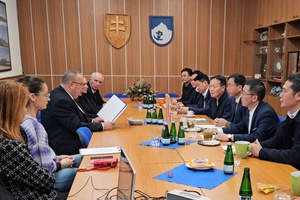
    ĐBP - On November 12, in Vysoké Tatry city (Slovak Republic), a working delegation of Điện Biên province, led by Chairman of the provincial People’s Committee Lê Văn Lương, held a working session with the Vysoké Tatry city administration to promote cooperation between the two localities. Receiving and working with the delegation was Mr. Jozef Štefaňák, Mayor of Vysoké Tatry city, along with representatives from related agencies.
  • 'Upholding responsibility in every digital product

    Upholding responsibility in every digital product

    SOCIAL AFFAIRS -
    ĐBP - With just an internet-connected smartphone, anyone can become a content creator, delivering stories and images of daily life to the community. However, the viral speed and broad reach of digital products also impose requirements regarding information accuracy and the creator’s responsibility within every product.
  • 'Secretary of Huổi Sông Party Cell acts on Uncle Hồ’s teachings

    Secretary of Huổi Sông Party Cell acts on Uncle Hồ’s teachings

    NEWS - POLITICS -
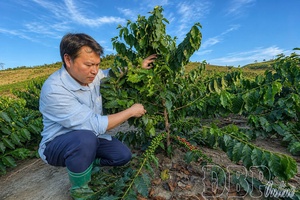
    ĐBP - “If we want villagers to change their methods, we must do it first” - stemming from this thought, Vàng A Dia (born in 1993), Secretary of the Party Cell and Head of Huổi Sông village, Tìa Dình commune, purchased coffee seedlings to plant on his family’s swiddens, and then continued guiding and supporting residents to follow suit.
  • 'The cultural wellspring beside Đà River

    The cultural wellspring beside Đà River

    SOCIAL AFFAIRS -
    ĐBP - Amidst the riverine realm of Mường Lay, the traditional cultural values of the White Thái ethnic group remain safeguarded through every stilt house, xòe dance, then melody, and the strumming of the tính tẩu lute.
  • 'Điện Biên’s Party chief inspects Nậm Rốm river basin multi-hazard management project

    Điện Biên’s Party chief inspects Nậm Rốm river basin multi-hazard management project

    NEWS - POLITICS -
    ĐBP - On November 11, Trần Tiến Dũng, Member of the Party Central Committee, Secretary of the Điện Biên provincial Party Committee, and Head of the provincial National Assembly Deputy Delegation, along with the provincial working delegation, conducted a field inspection of the Nậm Rốm river basin multi-hazard management project, aimed at protecting people’s livelihoods, adapting to climate change, and advancing socio-economic development in Điện Biên province.
  • 'Ensuring workers’ rights

    Ensuring workers’ rights

    SOCIAL AFFAIRS -
    ĐBP - By maintaining production, stabilizing employment, fully executing policies and regimes, and showing care for workers’ lives, Mường Nhé Điện Biên Rubber JSC progressively improves incomes, creating conditions for laborers to feel secure in staying with the enterprise. In this context, the Trade Union organization plays a pivotal role in connecting, accompanying, and protecting the legitimate rights of workers.
  • 'Accelerating progress of building land database

    Accelerating progress of building land database

    NEWS - POLITICS -
    ĐBP - A conference evaluating the situation and implementation progress of surveying, cadastral mapping, compiling cadastral dossiers, and building the land database across the province was held on the afternoon of November 9 in an online format, connecting the provincial central point with communes and wards.
  • 'Điện Biên develops commercial tea trees

    Điện Biên develops commercial tea trees

    ECONOMY -
    ĐBP - Transitioning from tea swiddens deeply attached to the lives of highland ethnic groups for generations into a raw material zone invested for commercial production, the tea tree is progressively affirming its economic value across Điện Biên province.