



In return, the military embodies the spirit of being “of the people and for the people,” standing ready to fight and sacrifice to protect the lives and property of the citizens. This flesh-and-blood bond creates a unified will that serves as a powerful force in building and defending the Fatherland.
For the armed forces of Điện Biên province, this close-knit relationship is manifested through specific projects and tasks that carry deep humanitarian significance. Officers and soldiers do not merely train for combat; they act as a vanguard in labor and production, joining hands to help the people eradicate hunger, reduce poverty, build new rural areas, and provide disaster relief. Whether providing free medical check-ups or aiding in search and rescue, these actions tighten the bond of solidarity and shared purpose.
The character of the “Soldier of Uncle Hồ” becomes most prominent during times of great hardship. Following every natural disaster or flash flood, soldiers disregard danger to help residents move to safety. Notable instances include the flash flood in Mường Pồn in July 2024 and the heavy rains and floods in late July and early August 2025 across Xa Dung, Tìa Dình, Na Son, and Pu Nhi. During these crises, thousands of officers and soldiers delivered food, water, and medicine to those in need. The provincial Military Command mobilized personnel and equipment to search for the missing, treat the injured, and relocate houses. Even after the floods receded, the soldiers remained to help rebuild homes, ensuring that residents along the border could stabilize their lives in safe, new dwellings.
.jpg)
As a force that fights, works, and produces across all regions, the military is always at the forefront of community support. In the deep forests and high mountains of the border, soldiers quietly patrol to protect every inch of national land, often joined by local residents who act as their “eyes and ears.” Beyond their specialized duties, border guards disseminate legal information through the “Border trumpet” program and engage in mass mobilization at every home.
Specific initiatives like “Border Guard Foster Children,” “Step to School,” and “Accompanying Border Women” have been effectively implemented across the province. The success of the election for deputies to the 16th National Assembly and People’s Councils for the 2026-2031 term was also partly due to the military’s efforts in guiding citizens on their voting rights and helping them identify misinformation. This shared commitment enabled Sín Thầu, a border commune, to become one of only two communes in the province where 100% of voters completed their ballots by the morning of March 15, 2026.
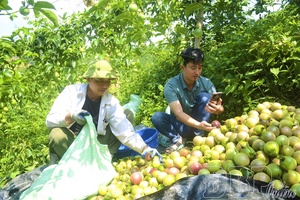
In mountainous and highland areas where poverty rates remain high and production conditions are unfavorable, armed forces units practice the “four togethers” - eating, living, working, and speaking the local language with the residents. Their support goes beyond simply providing seeds or livestock, as they recognize that without proper guidance, such models often fail. Instead, Border Posts and defense economic zones implement pilot production and husbandry models directly at their units.
Once these models prove effective, the units coordinate with local authorities to organize tours for the residents, encouraging them to apply the same techniques at home. Through this “hand-holding” approach, many households have successfully transitioned to higher-value crops and livestock. Ultimately, the provincial armed forces view mass mobilization as the key solution to strengthening the “posture of the people’s heart,” believing that when the military and the people share a single will, they create an impregnable fortress for the sustainable defense of the nation.
Hà Anh

.jpg)
.jpg)
.jpg)
.jpg)
.jpg)
.jpg)
.jpg)
.jpg)
.jpg)
.jpg)
You have 500/500 characters left
Please enter 5 or more characters!!!