



From a once-fierce battlefield, the province has transformed into a thriving region, evidenced by a multi-dimensional poverty rate that plummeted to approximately 17.66% by the end of 2025. This represents an average annual decrease of nearly 4%, achieved through the persistent combination of State support and the sheer resilience of the local people.
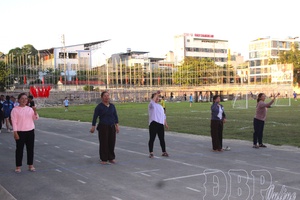
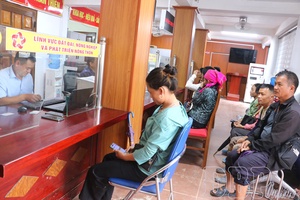
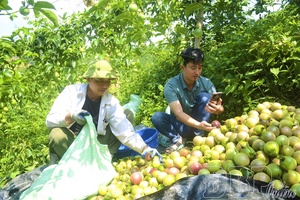
The quality of life for residents has reached new heights, with average annual incomes now hitting roughly VND 54 million and approximately 9,000 jobs being created every year. This socioeconomic uplift is anchored by thousands of households moving into permanent homes and highlanders successfully transitioning from poverty toward sustainable, stable livelihoods through effective production models.
.jpg)
Infrastructure across the province, specifically electricity, roads, schools, and medical stations, has taken a giant leap forward. By the end of 2025, the national power grid reached 96.2% of households, an achievement driven by synchronized investment that has drastically improved living and production conditions in highland villages. The transportation network has similarly expanded, ensuring that 100% of communes have paved or concrete road access to their centers, while every communal health station is now a permanent structure. With health insurance coverage reaching 98% and schools becoming increasingly modern and spacious, these figures reflect a fundamental improvement in the everyday well-being of the population.
Major initiatives like the “Bừng sáng Điện Biên” (Lighting up Điện Biên) program have been instrumental in this journey, bringing electric light to the most remote villages for the first time in history. This illumination does far more than just dispel the darkness; it serves as a gateway to knowledge, healthcare, and vital information, providing the necessary economic spark for highland ethnic communities.
.jpg)
April also marks a peak period for tens of thousands of domestic and international visitors who gather to explore historic sites such as A1 Hill, the de Castries bunker, and Mường Thanh Bridge. While many come to trace the footsteps of history, they are often struck by the stunning modernization of this heroic land, from the lush, fertile Mường Thanh fields to the rising urban skylines and wide, open roadways. The province is effectively leveraging these historic assets to fuel a growing tourism industry, complemented by strategic infrastructure upgrades like the expansion of Điện Biên Airport and improved transport links across the Northwestern region.
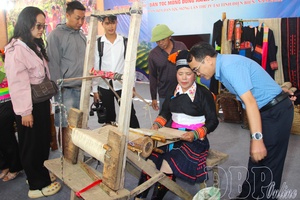
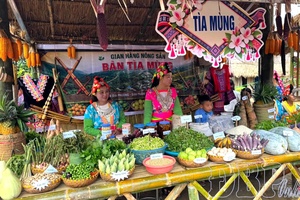
Parallel to historical tourism, the province is cultivating eco and cultural tourism in the villages of the Thái, Hmông, and Khơ Mú people. In these communities, residents are both the proud guardians of their unique heritage and active participants in the tourism economy, directly improving their own living standards through their cultural identity. After over seven decades, Điện Biên has achieved a comprehensive transformation from a war-torn region into a stable, developing province. Although hurdles remain, the progress stands as a testament to the unyielding spirit and aspiration of the local Party, government, and people as they firmly stride toward becoming a leading province in the Northern Midlands and Mountains.
Tùng Lĩnh

.jpg)
.jpg)
.jpg)
.jpg)
.jpg)
.jpg)
.jpg)
.jpg)
.jpg)
.jpg)
You have 500/500 characters left
Please enter 5 or more characters!!!