



By innovating both mindset and methodology, the Council has ensured that its oversight role is no longer a mere formality but a comprehensive tool for analyzing local issues. At the heart of this success is a commitment to “tracking issues to the end,” ensuring that every shortcoming is identified, every responsibility is clarified, and every solution proposed is practically viable and aligned with reality.
.png)
Supervisory activities during sessions have become increasingly substantive, moving away from the perfunctory review of reports toward a comprehensive “reflection” on existing bottlenecks. Throughout the term, the Council and its specialized boards conducted 31 thematic supervisions focusing on areas that directly impact the livelihoods of the people. These efforts generated 439 specific recommendations, achieving a resolution rate exceeding 96%.
Furthermore, the issuance of seven thematic resolutions following these supervisions provided the necessary legal foundation for state agencies to overcome limitations and enhance management efficiency. This proactive approach is mirrored in the continuous supervision maintained between sessions, which led to a perfect 100% resolution rate for voter petitions, all 108 petitions were successfully addressed and answered.
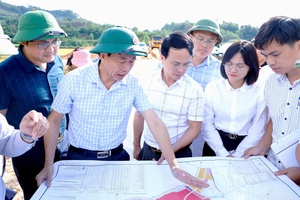
Practical examples illustrate how the Council’s “follow-through” philosophy protects the rights of citizens. Lương Thị Hồng Nhung, Vice Chair of the Ethnic Minority Board, highlighted a specific case in Thanh Nưa commune where the upgrade of National Highway 12 had damaged the domestic water supply for several villages. Rather than just recording the grievance, the Council monitored the situation closely and pushed the Department of Construction to resolve it, leading to a signed agreement and a fixed timeline for repairs.
.jpg)
Similarly, in Mường Phăng, a long-standing dispute over forest land overlaps between villages was resolved through transparent dialogue and boundary clarification. These cases demonstrate that supervision in Điện Biên has evolved from mere observation to a decisive mechanism for accountability.
Looking toward the upcoming term, the province aims to integrate digital transformation into its oversight functions through a proposed “digital supervision” model. This shift is designed to enhance transparency and provide a real-time tracking mechanism for post-questioning commitments, effectively preventing the common issue of officials “promising much but doing little.” Future supervisory content will prioritize urgent, high-impact issues while linking them directly to personal and institutional accountability. Ultimately, the goal is not to “catch mistakes” but to refine the efficiency of the state apparatus and solidify the public’s trust in their elected representatives.
Quốc Huy

.jpg)
.jpg)
.jpg)

.jpg)
.jpg)
.jpg)
.jpg)

.jpg)
.jpg)
.jpg)
You have 500/500 characters left
Please enter 5 or more characters!!!