



It acts as a vital bridge between the Party, the government, and the people, shifting its focus toward the grassroots and placing citizens at the heart of every mission. Immediately after the new administrative model became operational, the Standing Boards of the VFF and its member organizations stabilized their structures and innovated their methods to focus on practical issues affecting people’s lives. Rather than diminishing its role, this reorganization has allowed the VFF to better gather, mobilize, and perform social supervision while improving the substantive quality of its activities.
In Nà Hỳ commune, which has a large ethnic minority population and numerous religious groups, the VFF continues to demonstrate its effectiveness in managing ethnic and religious affairs. The commune currently hosts 36 religious groups consisting of 1,375 households and 7,474 people, with 29 of these groups already certified for centralized activities. State management has been strengthened to ensure freedom of belief while keeping religious activities within legal boundaries. The commune VFF regularly organizes dialogues with religious dignitaries and influential figures to resolve emerging issues and maintain political stability. Khoàng Văn Hồng, chairman of the Nà Hỳ commune VFF, emphasizes that the organization proactively coordinates with local authorities to build social consensus and prevent any “hot spots” or external forces from causing instability.
.jpg)
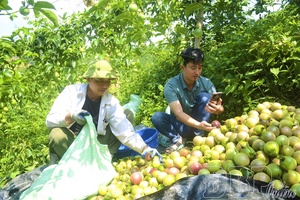
Parallel to these efforts, the VFF and various unions have promoted democracy by encouraging residents to participate in production, security, and cultural life. In Chiềng Sinh commune, the focus has shifted toward household economic development and environmental protection as part of sustainable rural development. The commune VFF motivates people to plant key crops like macadamia, coffee, and fruit trees to raise income while preventing soil erosion. Lò Văn Thắng, Chairman of the commune VFF, reports that the commune currently has 319ha of coffee, with plans to add 800ha in 2026 and reach 2,000ha by 2027. Forest coverage has reached 41% and is expected to climb further through tree-planting programs and movements like “bright - green - clean - beautiful,” which have created a strong community impact alongside social welfare efforts for the poor.
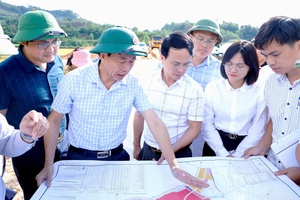
The merger of commune-level administrative units and political-social organizations marks a significant shift in the VFF’s operations. Entering the 2025–2030 term, the provincial VFF is determined to move from formalistic movements toward substantive results based on actual data. This strategy includes enhanced social supervision and the protection of citizens’ legitimate rights while fostering self-reliance and patriotism. In the heroic land of Điện Biên, the VFF will continue to accompany the government and the people to ensure a future of green, smart, and sustainable development.
Hà Linh
.jpg)

.jpg)
.jpg)
.jpg)
.jpg)
.jpg)
.jpg)
.jpg)
.jpg)
.jpg)
You have 500/500 characters left
Please enter 5 or more characters!!!