



The land once scarred by fierce bombardment has now been transformed day by day. Gone are the ruined trenches and shattered battlefields. Today, Điện Biên is writing new “victories” in peacetime across every sector. These are the “sweet fruits” born of the determination and powerful aspirations of the Party organization, local authorities, and people of all ethnic groups across the province.
A new life on historic land
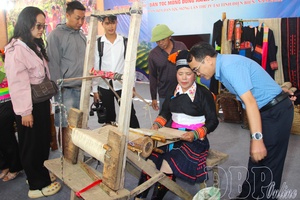
Once a fierce battlefield, Điện Biên Phủ has now risen into a dynamic and vibrant urban center. Historic landmarks such as A1 Hill, De Castries Bunker, and Mường Thanh Bridge have been preserved and restored, becoming key historical sites that attract large numbers of visitors from across Vietnam and abroad. Every May, people from all parts of the country return here to pay tribute to the past and witness the vitality of a renewed land.
A veteran of the Điện Biên campaign, Nguyễn Hữu Chấp of Điện Biên Phủ ward, who fought in the battle and has devoted his life to this land, emotionally shared: “Seventy-two years have passed, and Điện Biên has changed in every aspect. Former battle sites have become protected and restored historical relics, attracting tourists and younger generations. Seeing the land where I once fought now growing prosperous and beautiful fills me with joy and pride.”
.jpg)
Alongside its increasingly modern urban appearance, Điện Biên’s greatest transformation lies in tangible social welfare achievements. The province has reduced its multidimensional poverty rate (including poor and near-poor households) to 30.83%, a figure that reflects the local government’s determination to overcome hardship and leave no one behind.
At the same time, education and healthcare remain top priorities. Điện Biên is accelerating construction of multi-level ethnic boarding schools, working toward the goal of establishing 15 modern learning and living environments for students in highland border areas.
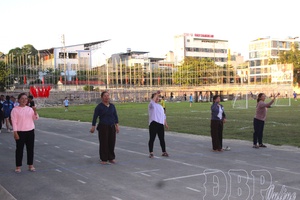
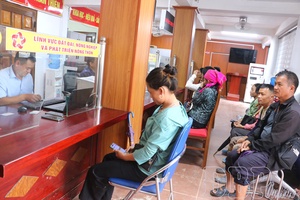
In healthcare, from April 25, the province began implementing a program of periodic health check-ups and free consultations for all residents, prioritizing the elderly, poor households, near-poor households, meritorious people, and persons with disabilities. The program is maintained at least twice a month at two provincial hospitals and health centers across the province.
Hoàng Minh Sơn, from Him Lam 1 village, Điện Biên Phủ ward, one of the first participants in the free health examination program, said enthusiastically: “This is truly a very humane policy. People can receive free health check-ups every month, and social welfare is improving more and more. I feel deeply warmed by the changes in my homeland.”
The pillars lifting Điện Biên forward
The 15th provincial Party Congress Resolution (2025-2030 term) sets the goal of developing Điện Biên in a green, smart, and sustainable direction, making it one of the more developed provinces in the region. To achieve this, the province has identified tourism, agriculture, and infrastructure as its three strategic pillars.
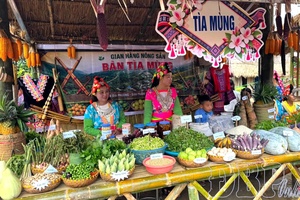
In the first quarter of 2026, Điện Biên is estimated to welcome around 550,000 visitors, up 29% compared to the same period last year, while tourism revenue increased by 30%.
The province is stepping up infrastructure upgrades, diversifying tourism products, and linking historical tourism with eco-tourism, resort tourism, and regional connectivity.
.jpg)
Trần Hải Hà, Acting Director of the Department of Culture, Sports and Tourism, emphasized: “Điện Biên tourism is facing new opportunities. We are not only promoting the invaluable historical legacy of the Điện Biên Phủ battlefield, but also diversifying tourism products, improving service quality, and strengthening connections with neighboring provinces and international partners to attract visitors.”
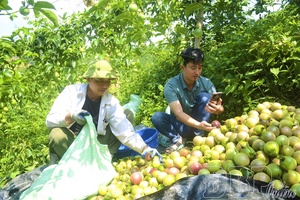
Agriculture is also undergoing strong restructuring. At present, the province is actively preparing for its largest planting season ever, with 12,000 hectares of coffee and macadamia trees.
In Chiềng Sinh commune, the atmosphere of the production campaign is highly energetic. Đỗ Văn Sơn, Chairman of the commune’s People’s Committee, said: “In 2026, Chiềng Sinh aims to newly plant 718.8 hectares of coffee and 400 hectares of intercropped macadamia. Local officials and residents began propagating seedlings early and have dug more than 2 million planting pits, ready for planting within the seasonal schedule to create sustainable livelihoods for local people.”
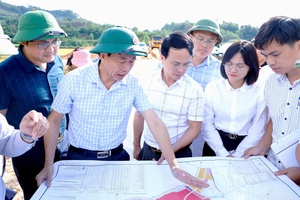
Điện Biên is also preparing for the 2026 Investment Promotion Conference, which is expected to gather around 1,200 delegates representing major domestic and international corporations and investors seeking cooperation opportunities in promising sectors such as tourism, high-tech agriculture, industry, trade and services, urban development, and logistics.
On this occasion, Điện Biên will break ground on two key projects: The Điện Biên Phủ cultural-historical tourism cable car complex and the Northwest new urban area, resort tourism, and sports services project in Điện Biên Phủ ward.
The province’s momentum is also reflected in investment attraction during the early months of 2026. Notably, the approval of the investment policy for the Sơn La - Điện Biên - Tây Trang border gate Expressway (Phase 1) will completely remove the long-standing transportation infrastructure bottleneck and create new momentum for breakthroughs across sectors.
Seventy-two years after liberation, the former battlefield of Điện Biên has truly blossomed.
The “sweet fruits” of economic growth, social welfare, and infrastructure development are worthy rewards for the persistent efforts of generations of people from all ethnic groups in Điện Biên. The heroic land of yesterday is now filled with aspirations for the future.
Nguyễn Hiền

.jpg)
.jpg)
.jpg)
.jpg)
.jpg)
.jpg)
.jpg)
.jpg)
.jpg)
.jpg)
You have 500/500 characters left
Please enter 5 or more characters!!!