



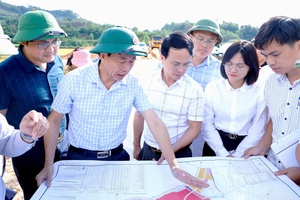
The case of Nà Tấu commune highlights the complexity of this task, as the commune is home to eight different ethnic groups, each with its own cultural and economic nuances. From the very first round of consultation, local authorities proactively built a candidate structure that balanced ethnicity, gender, age, and professional expertise. They specifically prioritized reputable community figures capable of honestly reflecting the residents’ aspirations.
After three rounds of consultation, the commune finalized a list of 34 candidates vying for 21 seats. This list is a diverse tapestry, with ethnic minorities accounting for 61%, women making up nearly 40%, and young leaders under the age of 40 representing 55% of the candidates. Nguyễn Ngọc Trường, Vice Chairman of the Nà Tấu commune People’s Committee, noted that this diverse composition ensures a comprehensive perspective in the Council’s future operations.
.jpg)
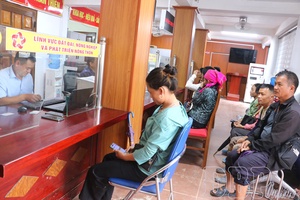
A crucial highlight of this consultative journey is the organized meetings for voter feedback and confidence at the candidates’ workplaces and residences. This is where citizens directly exercise their power as “masters,” providing an objective and comprehensive audit of every applicant. In early February, at the cultural house of Residential Group 5, Điện Biên Phủ ward, residents gathered to evaluate six candidates for the National Assembly and People’s Councils. After scrutinizing their political integrity, ethics, and community involvement, the voters reached a unanimous 100% confidence vote. This result wasn’t just a win for the candidates; it was a testament to the public’s active role in the democratic screening process. As resident Lường Văn Pánh shared, being able to directly comment on candidates helps the consultation agencies gather real-world data to make more accurate assessments.
Led by the Vietnam Fatherland Front organizations at all levels, the consultation process in Điện Biên followed a strict sequence: agreeing on the structure and numbers, establishing preliminary lists, gathering voter feedback, and finally settling on the official roster. To date, the official list for the 16th National Assembly in Điện Biên includes 10 candidates for 7 seats. For the provincial People’s Council, 83 candidates have been selected, with ethnic minorities representing 56% and re-elected members making up 48% of the group. At the commune level, 1,556 qualified candidates are competing for 926 seats.
“Consultation is the most important screening step. Doing this well creates the prerequisite for voters to choose truly worthy individuals. The quality of our legislative bodies for the entire term depends heavily on the quality of the candidates we select during these rounds,” said Lò Văn Mừng, Member of the provincial People’s Council.
Lò Văn Mừng emphasizes that candidates must be more than just qualified; they must be “bold enough to think, bold enough to speak, and bold enough to act and take responsibility.” He believes that a representative needs the political stamina and wisdom to decide on the province’s most critical issues. Democratic consultation is thus a process of collective intelligence and public oversight.
When every stage is executed with such responsibility and transparency, the final ballot reflects the true aspirations of the voters, ensuring that the 2026-2031 term is led by those who are both virtuous and talented.
Phương Dung

.jpg)
.jpg)
.jpg)
.jpg)
.jpg)
.jpg)
.jpg)
.jpg)
.jpg)
.jpg)
You have 500/500 characters left
Please enter 5 or more characters!!!