



For that reason, alongside stepping up communication to elevate awareness among cadres and residents regarding grassroots democracy through diverse forms suited to practical local conditions, the commune has proactively disclosed information for the public to know, particularly contents bearing direct relevance to the rights and interests of the people. These encompass socioeconomic development plans; budget estimates and final accounts; land-use master plans and schemes; administrative procedures; support policies; orientations and implementation progress of programs and projects; and public contributions.
Depending on the subject matter, information is posted at offices, announced at conferences and village meetings, broadcast over public address systems, delivered via official documents to villages, or shared across digital platforms. On issues directly concerning specific target groups, specialized agencies coordinate with village heads to review, announce, guide, and gather feedback.
Beyond being informed, residents directly take part in discussing and deciding collective community affairs, such as village charters and conventions; voluntary contributions, alongside the management and use of mobilized funds; constructing and maintaining community infrastructure works; and preserving environmental sanitation, security, and public order.
.jpg)
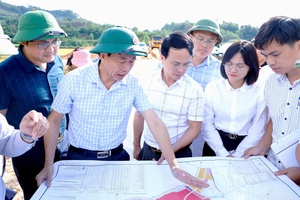
A distinct demonstration of promoting the people’s right to mastery in recent times has been the village rearrangement process across the locality. Prior to execution, the commune organized consultations with voter representatives of households across 22 out of 22 villages. As a result, 1,844 out of 2,164 households participated, of which 1,820 households voted in favor of the scheme. In addition, public opinions regarding the execution of national target programs, investment priority selection, beneficiary appraisals, and poor and near-poor household reviews were received and addressed by the commune.
In particular, the people’s right to inspect and supervise is exercised through the operations of the commune’s Việt Nam Fatherland Front Committee, the People’s Inspection Board, the Community Investment Supervision Board, socio-political organizations, village meetings, and direct feedback. Supervisory contents concentrate on areas directly affecting civil rights, such as policy transparency, beneficiary evaluations, mobilization and use of voluntary contributions, and administrative procedure settlements.
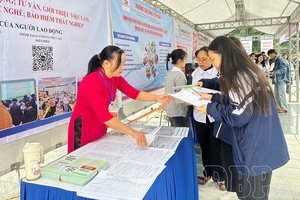
Nguyễn Văn Lương, Chairman of the People’s Committee of Mường Pồn commune, stated that upholding the accountability of the head of the administration, the commune has maintained regular and unscheduled citizen receptions in accordance with regulations; directed the prompt settlement of administrative procedures for the public; and received, classified, forwarded, and tracked outcomes of letters, petitions, and reflections. Up to early June 2026, the commune Public Administrative Service Center received and settled more than 830 dossiers, 100% of which were processed and returned ahead of deadline. During the same period, the commune conducted 31 citizen reception sessions and held 2 direct dialogue sessions with the people. Reflected matters centered primarily on land issues, support policies, public civil works, and emerging issues following administrative restructuring.
Most opinions were answered satisfactorily by the commune. For petitions that could not be settled immediately, local authorities proactively communicated progress, underlying causes, and resolution directions, continuing tracking until results were achieved. In addition, the commune utilizes document management and operational software, the local electronic portal, the loudspeaker broadcasting network, and community messaging groups to disclose information, exchange views, receive feedback, and serve citizens.
Effective implementation of grassroots democracy has assisted Mường Pồn commune in heightening awareness and responsibility across Party committees, authorities, cadres, and residents. The people’s mastery is increasingly exercised under the motto “People know, people discuss, people do, people inspect.” Through this, social consensus is generated, public trust is consolidated, and a government that remains close to the people, engages with the grassroots, and serves the public is firmly established.
Đức Linh
.jpg)
.jpg)
.jpg)
.jpg)
.jpg)

.jpg)
.jpg)
.jpg)
.jpg)
.jpg)
.jpg)
You have 500/500 characters left
Please enter 5 or more characters!!!