Cassava prices soar, bringing prosperity to farmers

ĐBP - In the 2025-2026 cassava season, although productivity did not reach expectations, a sharp rise in selling prices compared to previous years has helped residents maintain a stable income.

This has significantly improved livelihoods while providing the necessary conditions for reinvestment in production and future economic growth. Across cassava-growing regions, the atmosphere is vibrant as people rush to harvest and process the crop. Taking advantage of the dry weather, farmers are focusing on harvesting, slicing, and drying the remaining areas, utilizing every yard and empty space to sun-dry the roots.
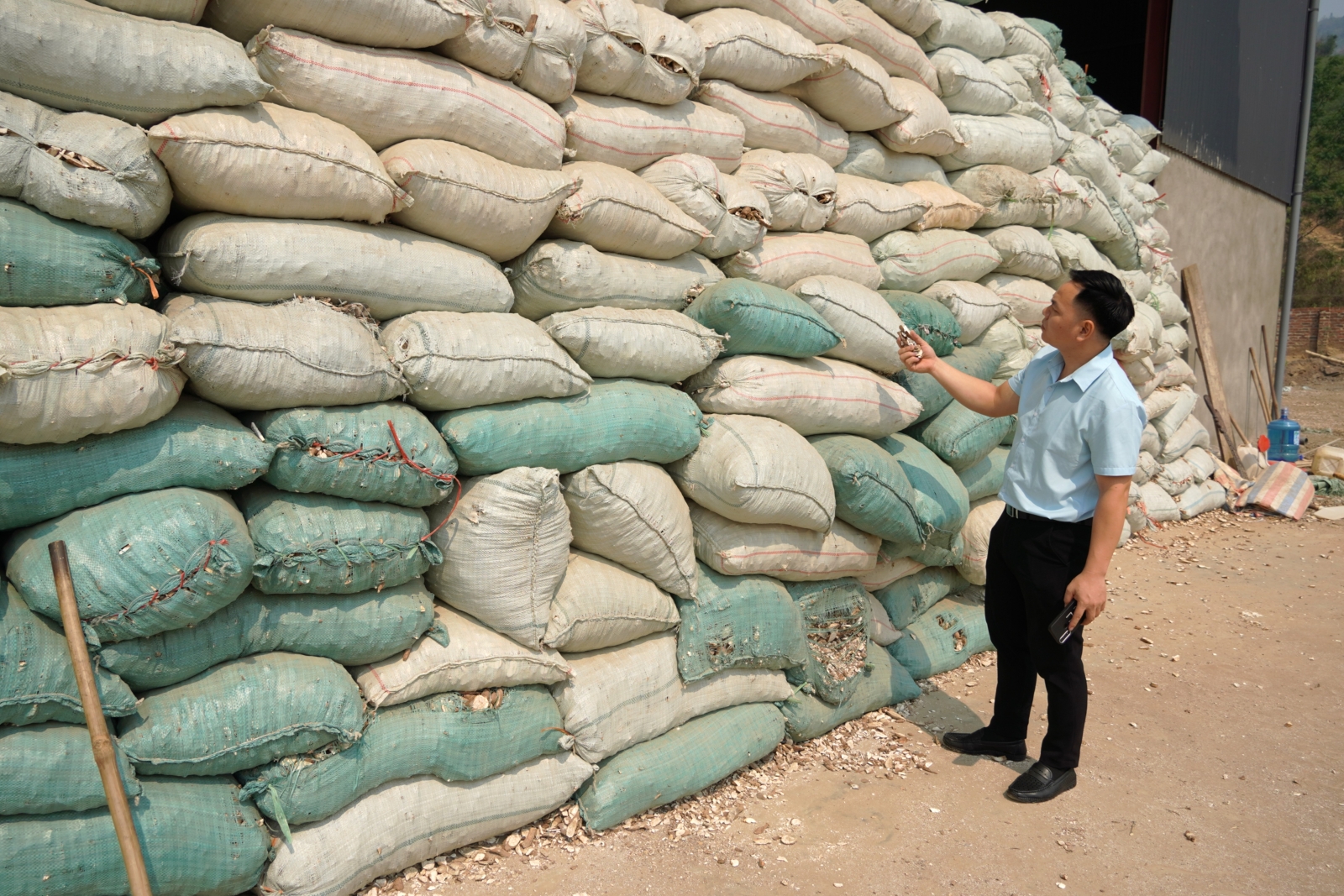
Purchasing facilities storing dried cassava to meet market demand.

In Phình Giàng commune, Sùng A Di from Ao Cá village has nearly finished harvesting over 1 hectare of cassava. With a price of over VND 5,000 per kg, he expects an income of approximately VND 100 million, noting that the higher prices have made his family and fellow villagers feel much more secure about their production.

In Mường Phăng commune, roughly 200 out of 250 households in Nà Pen village are involved in cassava cultivation. Regardless of the scale, ranging from a few thousand square meters to several hectares, everyone is excited as prices have surged. Vàng A Khá, a resident of Nà Pen, mentioned that the harvest season typically runs from October to April. Prices for sliced cassava reached over VND 5,000 per kg, while dried chunks are around VND 3,400 per kg, representing a near-doubling compared to the previous year. These record-breaking purchase prices have provided a massive boost to the community.
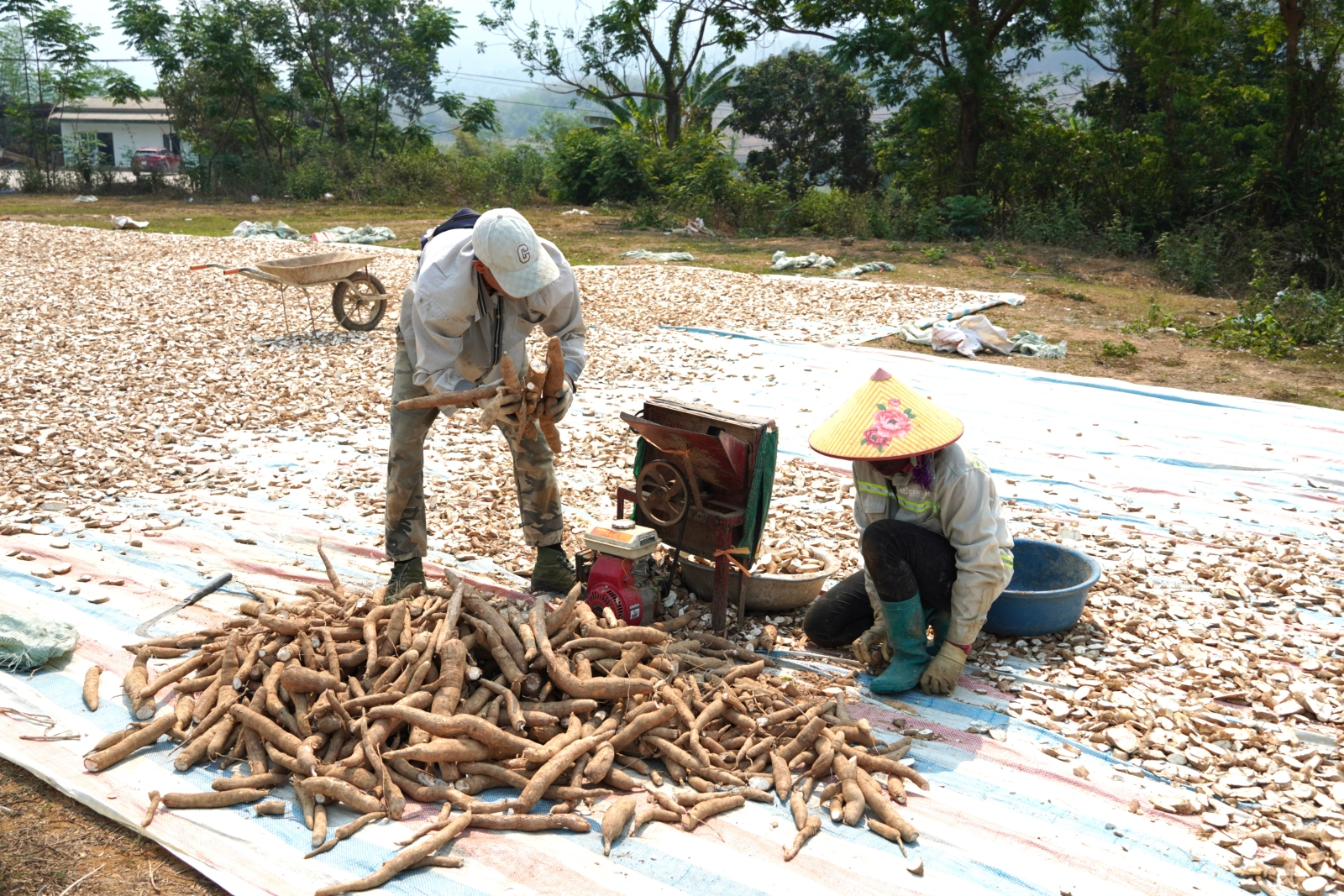
Taking advantage of the sunny weather, Lò Văn Thuận and his family focus on slicing and drying cassava.

Lò Văn Thuận from Pá Bông village, Núa Ngam commune, who manages 3 hectares, shared that in his many years of farming, he has never felt as encouraged as he does now. While last year’s prices for dried cassava fluctuated between VND 3,500 and VND 3,800 per kg, they reached a peak of VND 5,500 at the start of this season and currently remain strong at VND 5,200. His family harvested about 25 tons of dried cassava and even purchased fresh roots from surrounding households to process and sell for extra income.
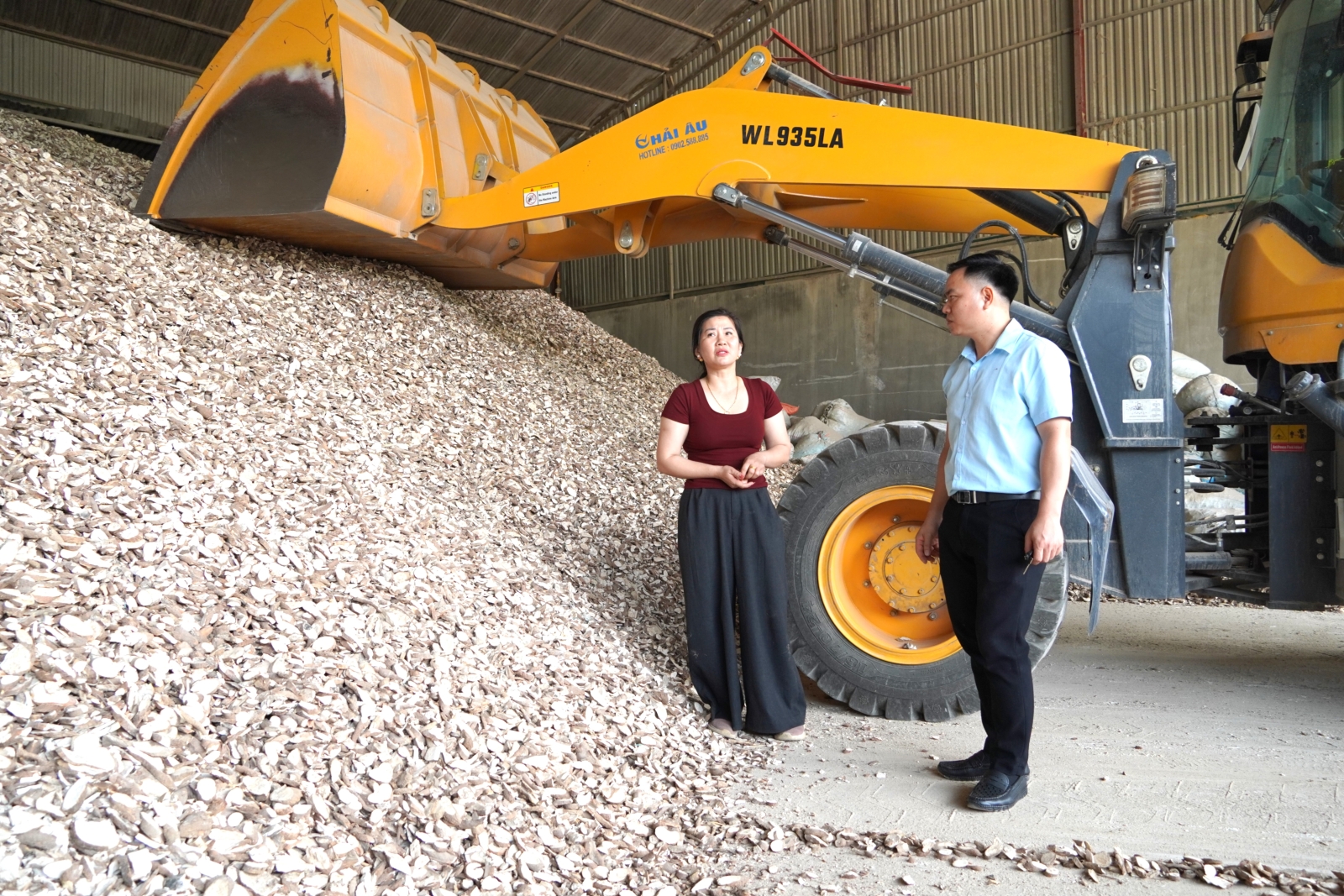
With cassava prices rising, the Trần Quyên purchasing facility proactively prepares goods for traders.

At purchasing points across the province, buyers are busy storing dried cassava in warehouses for export. Trần Thị Quyên, owner of the Trần Quyên purchasing facility in Núa Ngam, noted that the market has seen many improvements, with prices sometimes reaching VND 5,600 to VND 5,700 per kg, compared to only VND 3,400 to VND 3,600 during the same period last year. However, she observed that overall productivity was hampered by weather conditions that caused significant root rot. Despite these challenges, cassava cultivation continues to flourish in areas like Na Sang, Mường Nhà, and Phình Giàng. Núa Ngam remains a major production hub, having planted 1,457.06 hectares in the 2025-2026 season, exceeding its target. The yield is estimated at 163.67 quintals per hectare, with a total output of over 23,800 tons, reaching 105% of the plan.
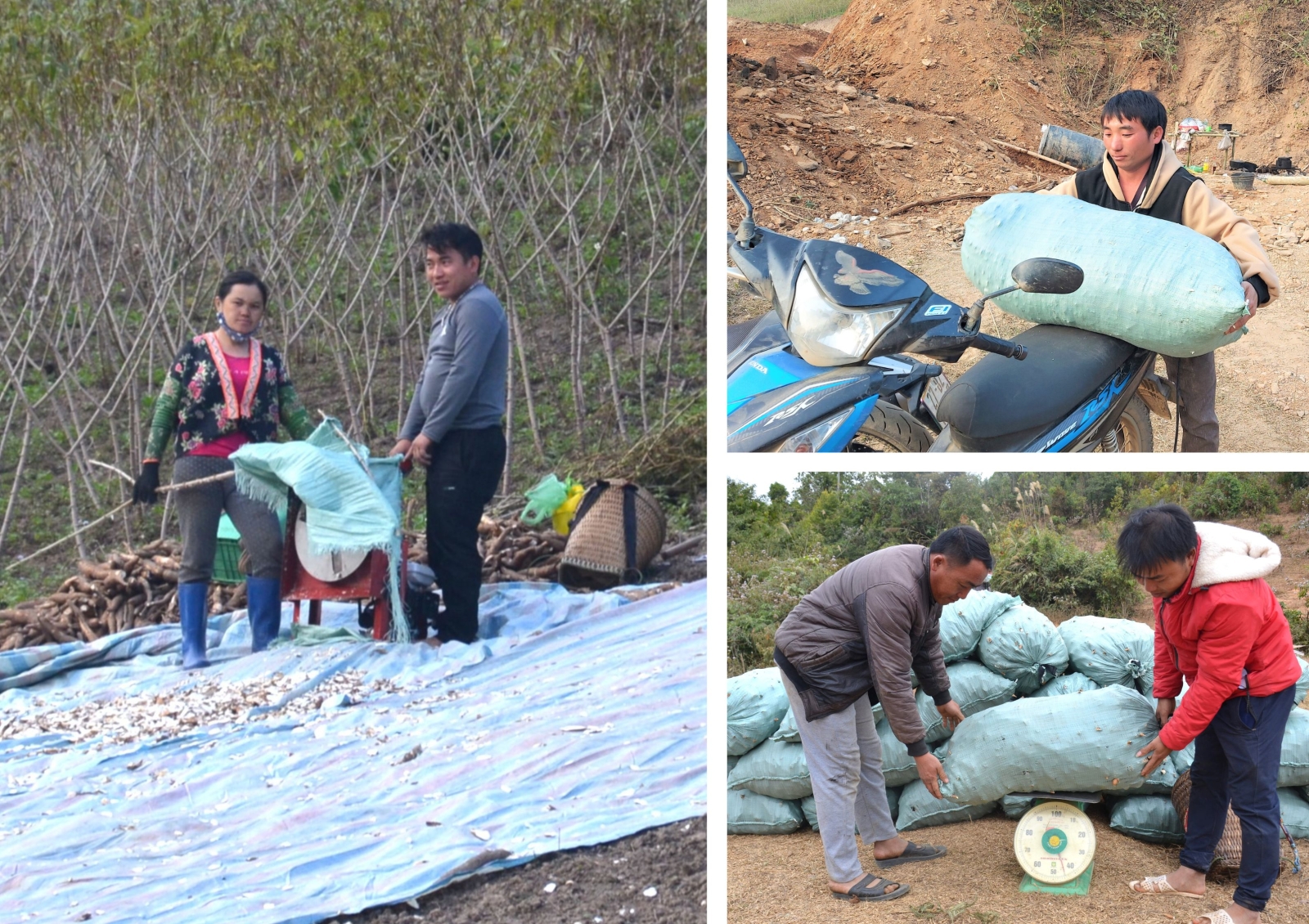
Farmers excitedly harvesting cassava.

Nguyễn Thành Trung, Chairman of the Núa Ngam commune People’s Committee, emphasized that compared to other crops like corn, cassava requires less labor and is less prone to pests while offering a stable output and accessible market prices. Price has proven to be the key factor for the 2025-2026 season, ensuring an effective harvest even with lower productivity. These positive market signals, combined with local government support, provide a foundation for cassava to continue improving the lives of highland residents in the coming years.

Phạm Quang
Comment

You have 500/500 characters left

Please enter 5 or more characters!!!

Recent news

  • 'Listening to residents, building consensus in Si Pa Phìn

    Listening to residents, building consensus in Si Pa Phìn

    NEWS - POLITICS -
    ĐBP - From everyday concerns to local policies and initiatives, residents of Si Pa Phìn commune are increasingly able to contribute their opinions, express their aspirations and monitor implementation. By proactively listening, making information public and working together to address legitimate public concerns in a timely manner, local authorities are making grassroots democracy more meaningful and fostering consensus on local development.
  • 'Transmitting heritage through community classes

    Transmitting heritage through community classes

    CULTURE - SPORTS -
    ĐBP - The preservation of cultural heritage in Điện Biên is being carried forward through community classes and daily transmission activities in hamlets and villages. Driven by the dedication of artisans and culture bearers, alongside the proactive spirit of learners, traditional folk songs and dances are transmitted, contributing to safeguarding ethnic identity and ensuring the vitality of heritage within community life.
  • 'Preserving beauty of ethnic minority costumes in Na Sang

    Preserving beauty of ethnic minority costumes in Na Sang

    CULTURE - SPORTS -
    ĐBP - Along with their languages and scripts, the traditional costumes of ethnic minority groups reflect customs, traditions and aesthetic values, while preserving knowledge and skills passed down through generations. In Na Sang commune, efforts to maintain embroidery and tailoring traditions, together with classes teaching traditional pattern-making techniques, are helping preserve the cultural identity of local ethnic communities.
  • 'Nà Hỳ restructures crops

    Nà Hỳ restructures crops

    ECONOMY -
    ĐBP - From swiddens cultivating corn, rice, and cassava on steep land, the people of Nà Hỳ commune are gradually shifting to planting coffee, macadamia, and several perennial industrial crops of high economic value.
  • 'Innovating leadership methods, generating growth momentum

    Innovating leadership methods, generating growth momentum

    ECONOMY -
    ĐBP - Executing the 11.02% growth target for 2026, in the closing months of the year, alongside efficiently exploiting resources, Điện Biên province is focusing on innovating leadership, directing, and administrative methods toward clear objectives, specific solutions, distinct responsibilities, and resolute execution.
  • 'Transparent procurement prices, protecting coffee growers

    Transparent procurement prices, protecting coffee growers

    ECONOMY -
    ĐBP - Faced with the reality that fresh coffee procurement involves multiple focal points and prices between trading spots can fluctuate, local administrations have coordinated with enterprises to maintain daily price transparency, helping farmers proactively choose where to sell and curbing price-squeezing.
  • 'Removing barriers, narrowing gender gap

    Removing barriers, narrowing gender gap

    SOCIAL AFFAIRS -
    ĐBP - Through practical approaches, the Women’s Unions at all levels in the province have recently stepped up communication on gender equality, supporting women in developing livelihoods, creating jobs, and enhancing their capacities.
  • 'Sowing seeds of green agriculture

    Sowing seeds of green agriculture

    ECONOMY -
    ĐBP - Possessing a vast agricultural and forestry land fund alongside diverse, distinctive microclimates, Điện Biên holds substantial headroom to develop green agriculture. From expanding Arabica coffee, macadamia, and fruit tree zones to organic, VietGAP, and high-tech application models, a new direction is steadily taking shape: advancing agriculture not merely by scale, but placing sharper emphasis on quality, value, and sustainability.
  • 'Protecting biodiversity “treasure trove”

    Protecting biodiversity “treasure trove”

    ECONOMY -
    ĐBP - In the westernmost region of the Fatherland, the verdant forests of Mường Nhé Nature Reserve stretch across frontier mountain ranges, where a diverse ecosystem converges with thousands of flora and fauna species coexisting. Spanning 46,577.19ha of forest and forestry land, this sanctuary preserves valuable natural habitats. Conserving that space contributes to safeguarding biodiversity while unlocking potentials for scientific research, eco-exploration, and elevating forest ecosystem values.