



This rigorous oversight is characterized by a multi-layered monitoring chain that fosters close coordination between schools, parents, and local authorities, ensuring a secure process from the initial procurement of ingredients to the final served meal.
.jpg)
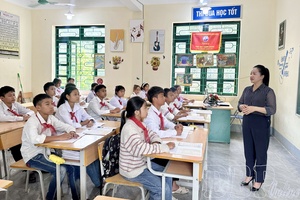
At Pom Lót Kindergarten in Sam Mứn commune, the daily routine begins shortly after 7:00AM with a collaborative food reception process. The school management, teachers, nutrition staff, and parent representatives gather to inspect every delivery, meticulously weighing items and verifying freshness while cross-referencing origins and quarantine stamps against official documentation. Parents take turns on a rotating daily schedule to supervise the entire cycle, from preliminary processing to the portioning of meals.
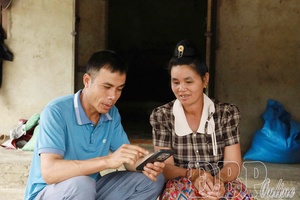
Nguyễn Thị Chín, Chairperson of the Parents’ Representative Board, emphasizes that this hands-on involvement ensures ingredients like vegetables, meat, and eggs are sourced locally and safely, which provides much-needed peace of mind for families.
.jpg)
The kitchen at Pom Lót Kindergarten operates on a one-way principle to prevent cross-contamination, with clearly separated zones for reception, preparation, and serving. For a daily boarding fee of VND 17,500 per student, the school maintains a meticulous daily log of all food intake and menus. Vũ Thị Thanh Huyền, the school principal, notes that they have established long-term contracts with five reputable local suppliers who hold all necessary certifications. In the current climate, the school treats food safety as a non-negotiable duty, leaving no room for complacency.
A similarly robust strategy is applied at Pu Nhi Ethnic Boarding Secondary School, which accommodates over 460 students. Control here begins with the careful selection of suppliers based on long-term prestige and legal compliance. Hoàng Quốc Huy, the school principal, explains that their monitoring extends far beyond contract signings; it involves direct, repeated audits of supply chains and daily physical inspections by a dedicated “Board of Living.” This team, comprising school leaders and parents, visually checks freshness and documents every delivery with photos and retained samples, consistently prioritizing fresh daily produce over frozen or processed goods.
.jpg)
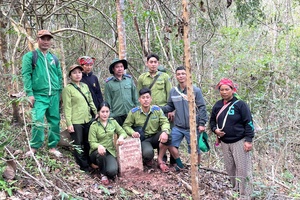
Local governments have stepped up their roles to ensure school kitchens meet stringent standards. In Sam Mứn commune, the administration has assigned specific oversight duties to commune-level leaders who guide schools in supplier selection and kitchen organization. Phạm Thiết Chùy, Chairman of the Sam Mứn commune People’s Committee, highlights a well-established coordination mechanism that facilitates weekly inspections to review everything from food sources to meal quality.
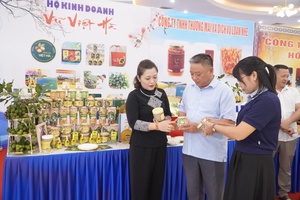
In Thanh Nưa commune, a comprehensive inspection campaign was recently conducted across 12 educational facilities serving nearly 5,000 students. The inspection teams evaluated kitchen hygiene, equipment conditions, and the legality of supply contracts and staff health records. Đặng Thị Ngọc Hà, Head of the Culture and Social Affairs Office of Thanh Nưa commune, reports that while schools generally comply with regulations, including the mandatory three-step food inspection and sample retention, authorities continue to urge absolute vigilance to guarantee student health.
.jpg)
This province-wide synchronized effort aligns with the Provincial People’s Committee’s Directive No.2986/UBND-KGVX, issued on April 17, which mandates that all sectors and localities tighten control over food sources. By institutionalizing these multi-layered checks and involving parents directly in the process, the risks associated with food safety are significantly mitigated, fostering a sense of trust and discipline within the school boarding system.
Nguyễn Hiền
.jpg)

.jpg)
.jpg)
.jpg)
.jpg)
.png)
.jpg)
.jpg)
.jpg)
.jpg)
.jpg)

You have 500/500 characters left
Please enter 5 or more characters!!!